
What Is Non Ferrous Metals Mean
Ever found yourself staring at something shiny, maybe a piece of jewelry, a sleek phone, or even a humble soda can, and wondered about the magic behind it? We talk a lot about metal, but sometimes the lingo can get a little… well, technical. Today, let’s peel back the layers on a super common, yet often uncelebrated, group of materials: non-ferrous metals. And trust me, once you get it, you’ll start seeing them everywhere!
Sounds fancy, right? “Non-ferrous.” But let’s break it down in the chillest way possible. Imagine you’re at a party, and everyone's talking about metals. You’ve probably heard of steel, cast iron, maybe wrought iron. What do all these have in common? They’re cousins in the big, strong family of iron. And that’s our key word here: ferrous.
So, What's the Big Deal with 'Ferrous'?
Simply put, ferrous means it contains iron. Think of iron as the bedrock of many traditional metals. It's incredibly strong, widely available, and relatively inexpensive. It's been the backbone of human civilization for ages, from tools and weapons to mighty bridges and towering skyscrapers. But iron has a couple of quirks, right? Like, hello, rust! And it’s pretty heavy.
Must Read
Now, if ferrous means it has iron, what do you think non-ferrous means? Yep, you got it! It means no iron allowed in this club. Or, at least, not as a primary ingredient. These metals are the rebels, the unique personalities in the metallic world, offering a whole different set of superpowers.
Why Are Non-Ferrous Metals So Cool?
This is where it gets really interesting! Because non-ferrous metals aren’t relying on iron for their structure, they get to show off some truly spectacular properties. Let’s dive into why they’re the unsung heroes of our modern world:

1. The Rust-Proof Superheroes
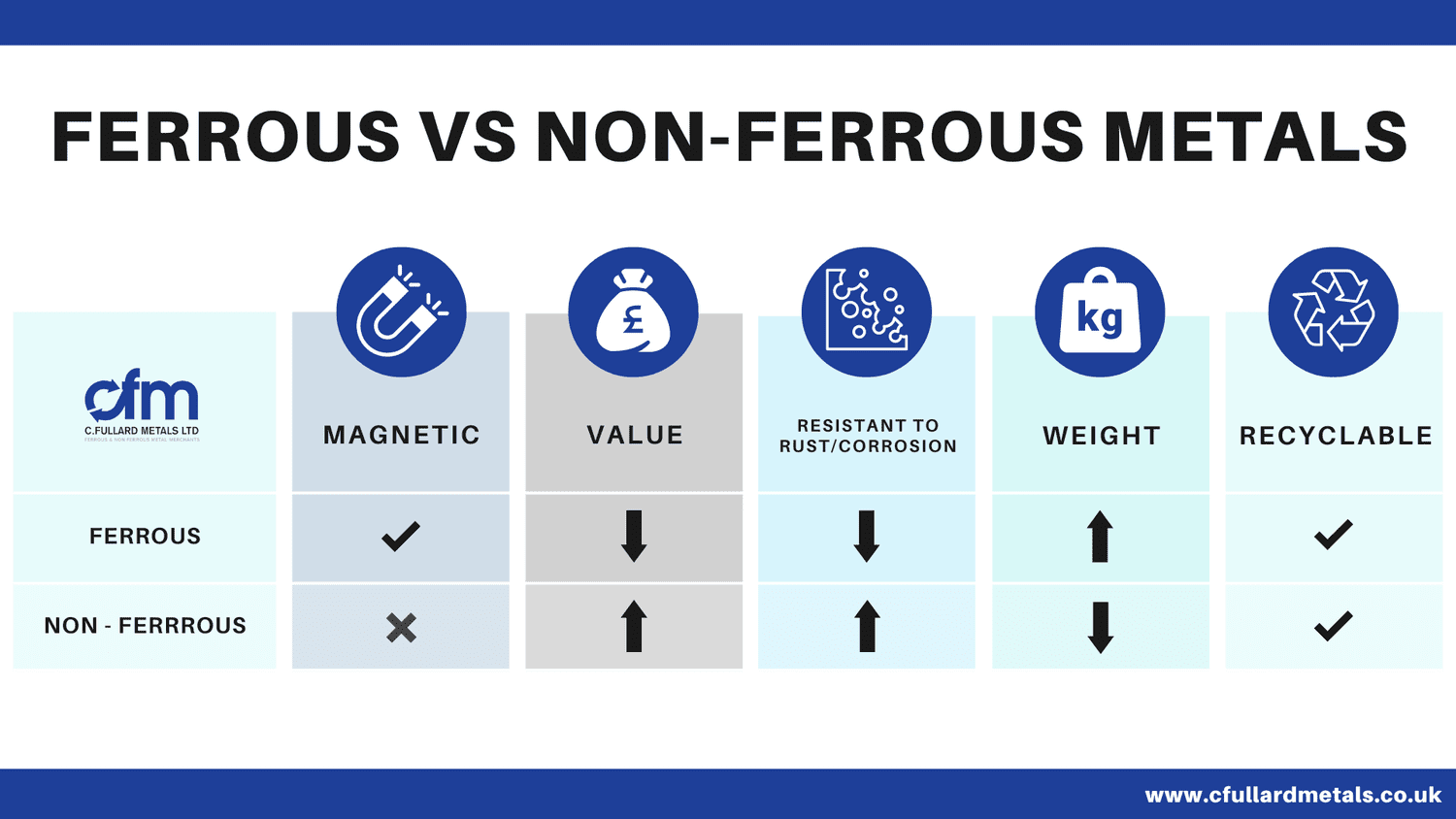
One of the biggest advantages? They largely resist corrosion and rust. Remember iron’s Achilles' heel? Non-ferrous metals often laugh in the face of moisture. Think of copper pipes in your house that last for decades, or aluminum window frames that don’t turn orange and flaky. They're like the superheroes who don't have to worry about their costume getting ruined by rain!
2. The Lightweight Champions
Many non-ferrous metals are significantly lighter than their iron-based counterparts. This is a game-changer for so many applications. How do airplanes fly? Thanks to lightweight aluminum! How do we make electric cars more efficient? By using lighter components, often made from non-ferrous metals. Imagine trying to lift a steel bike versus an aluminum one – big difference, right?
3. Electrical and Thermal Maestros
Ever wonder what makes electricity flow so easily to your devices? Or why some pots heat up so quickly on the stove? Non-ferrous metals like copper and aluminum are phenomenal conductors of both electricity and heat. Copper wires snake through our homes, cars, and electronics, carrying power efficiently. Aluminum is often used in heat sinks to dissipate heat from sensitive electronics, keeping them cool as a cucumber.
4. The Non-Magnetic Mystery
Most non-ferrous metals are non-magnetic. While this might not sound exciting at first, it's incredibly useful! Think about sensitive electronic equipment, medical devices like MRI machines, or even compasses. You wouldn't want magnetic interference messing things up, would you? This property makes them indispensable in specific high-tech scenarios.
5. Pretty in Pink (and Gold, and Silver!)
Let's not forget the aesthetics! Non-ferrous metals give us some of the most beautiful and sought-after materials on Earth. Think of the warm glow of gold, the elegant sheen of silver, or the reddish-brown charm of copper. These metals don’t just perform well; they look fantastic too, making them perfect for jewelry, art, and decorative items.
Everywhere You Look: Non-Ferrous Examples!
Now that you know what to look for, you'll start noticing non-ferrous metals absolutely everywhere:
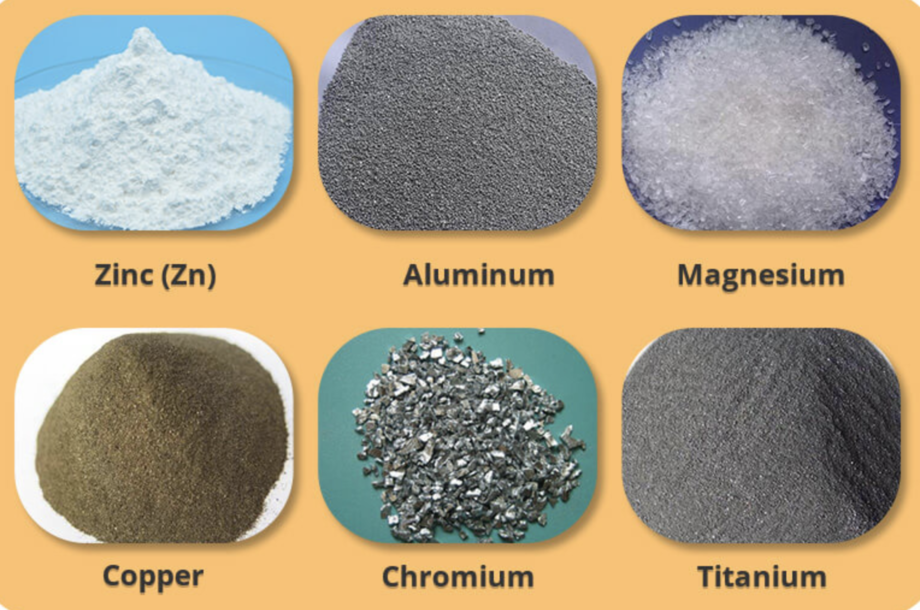
- Aluminum: Your soda cans, airplane bodies, foil, window frames, bicycle frames. It’s light, strong, and resists corrosion.
- Copper: Electrical wiring, plumbing pipes, roofing, statues (like the Statue of Liberty!), old pennies. It's an amazing conductor.
- Brass: Musical instruments, decorative items, door handles, plumbing fixtures. It’s an alloy (mix) of copper and zinc, known for its workability and nice color.
- Bronze: Sculptures, ship fittings, bells, medals. An alloy of copper, usually with tin, known for its strength and resistance to saltwater corrosion.
- Gold & Silver: Jewelry, coins, high-end electronics, dentistry. Precious, beautiful, and excellent conductors.
- Zinc: Used to galvanize steel (a protective coating), batteries, die-cast parts.
- Titanium: Aerospace components, medical implants, high-performance sports equipment. Incredibly strong for its weight and super corrosion-resistant.
From the subtle hum of your electronics to the soaring planes above, non-ferrous metals are silently (or sometimes loudly, if it’s a brass band!) making our world function better, look prettier, and last longer. They're not just alternatives to iron; they're essential players with their own unique talents.
So next time you pick up an aluminum can, marvel at a copper statue, or glance at your gold jewelry, give a little nod to these fantastic, iron-free marvels. They truly are the unsung heroes of materials science, quietly shaping the world around us!
