What Is Needed To Weld Aluminum

There's something uniquely captivating about aluminum. It's the material of modern design, lightweight yet incredibly strong, with a signature silvery gleam that speaks of innovation and artistry. From sleek furniture to high-performance vehicle parts, aluminum is everywhere, and the thought of creating something beautiful and durable with your own hands, by welding it, might sound like a distant dream. But what if I told you that stepping into the world of aluminum welding is more accessible and creatively rewarding than you think?
For the artist, the hobbyist, or simply the curious soul eager to expand their DIY toolkit, learning to weld aluminum opens up a universe of possibilities. Imagine crafting stunning, lightweight sculptures that defy gravity, or designing custom brackets and enclosures for your latest electronics project. Envision fabricating bespoke garden art that will never rust, or repairing that aluminum boat or motorcycle frame with newfound confidence. The beauty of aluminum is its versatility; it’s perfect for indoor decor, outdoor installations, and functional items that need to be both robust and light. Unlike steel, aluminum offers a clean, non-corroding finish that requires little to no post-treatment, making your creations not just beautiful but also long-lasting.
So, what exactly is needed to join this wondrous metal? While it has a reputation for being a bit trickier than steel, the essential ingredients are quite straightforward, especially when opting for the widely recommended
Must Read
Here’s your shopping list for embarking on your aluminum welding adventure:
- An AC TIG Welder: This is the absolute cornerstone. Aluminum forms a thin, tough oxide layer that needs alternating current (AC) to be effectively broken down during welding, allowing the underlying clean metal to fuse.
- Argon Shielding Gas: Aluminum is reactive when molten, so a pure argon gas cylinder is essential to protect the weld pool from atmospheric contamination. This ensures strong, clean welds.
- Tungsten Electrodes: These non-consumable electrodes carry the arc. For AC aluminum welding, look for electrodes specifically designed for it, often containing Zirconium, Lanthanum, or Thorium (though Zirconiated/Lanthanated are generally preferred for hobbyists).
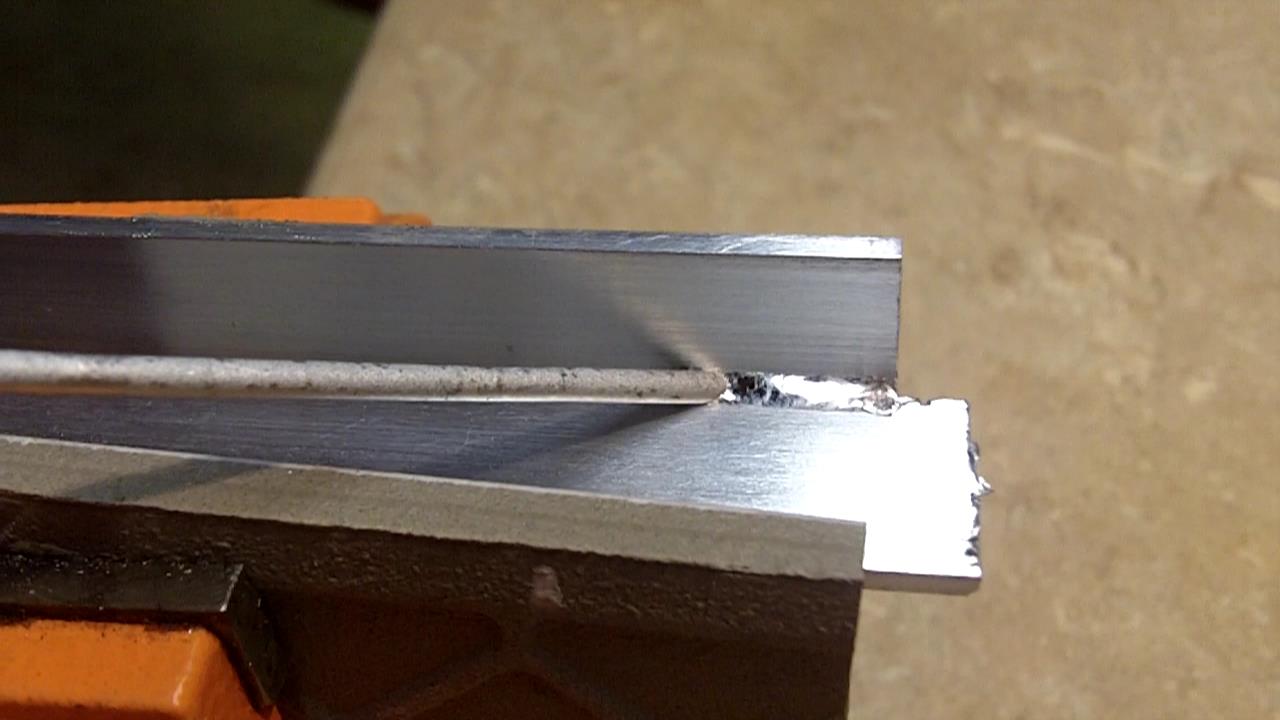
- Aluminum Filler Rod: This is the material you add to the weld puddle to build up the joint. It's crucial to select an aluminum filler rod that is compatible with the base aluminum you are welding (e.g., 4043 or 5356 are common choices).
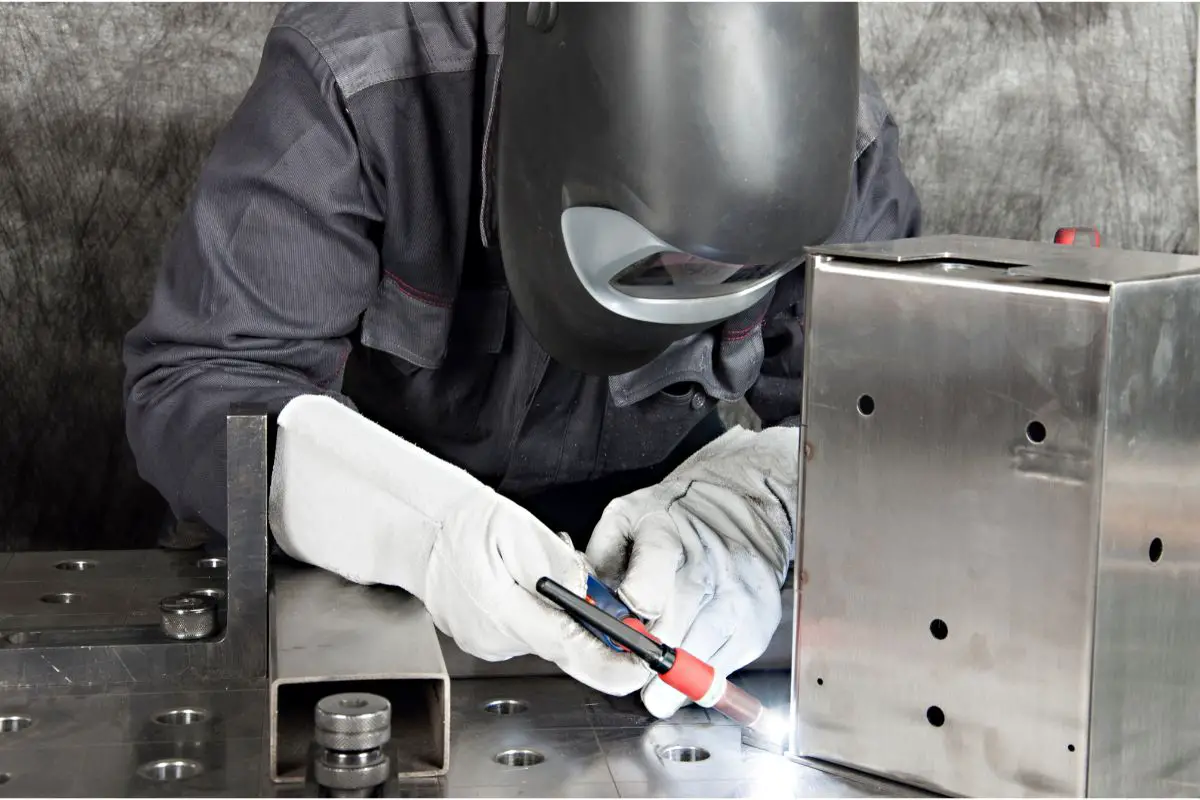
- Safety Gear: A good auto-darkening welding helmet, thick leather welding gloves, and fire-resistant clothing are non-negotiable. Safety first!
- Dedicated Stainless Steel Wire Brush: Aluminum is easily contaminated. You'll need a clean, stainless steel wire brush that is only used for aluminum to prepare your surfaces. Never use a brush that has touched steel!
- Acetone or Degreaser: Aluminum can have oils and greases from manufacturing or handling. A thorough cleaning with a solvent before welding is paramount for a successful weld.
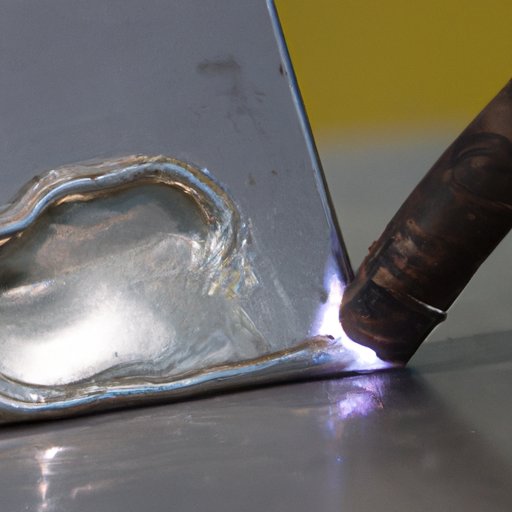
The secret to successful aluminum welding lies in preparation and cleanliness. Once you have your gear and you've meticulously cleaned your material, the magic truly begins. The mesmerizing dance of the AC arc, the precise control of the TIG torch, and the way the molten aluminum flows and fuses, creating a shimmering, bead-like joint, is a truly rewarding experience.
Stepping into the world of aluminum welding might seem daunting, but with the right tools and a little practice, you'll unlock a powerful creative skill. There’s immense satisfaction in taking raw metal and transforming it into something functional, artistic, or both. It’s a hands-on journey that combines technical skill with artistic expression, leaving you with not just a finished product, but a profound sense of accomplishment and the undeniable joy of making.