
What Is Needed To Buy A House
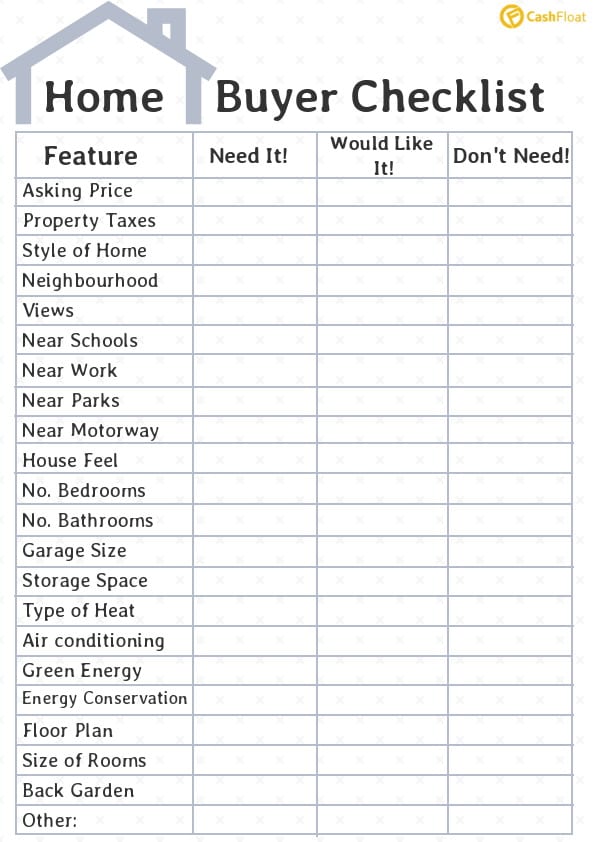
Alright, settle in, grab another imaginary coffee, because we're about to tackle one of life's great mysteries, right up there with "how does a cat always land on its feet?" and "where do all my missing socks go?". We're talking about that glorious, slightly terrifying, absolutely thrilling quest: buying a house.
You probably picture it already, don't you? A quaint little cottage, a grand estate, maybe a tiny home with a composting toilet – whatever your dream, the vision is usually accompanied by sunshine, birds chirping, and zero paperwork. The reality? Well, it’s a bit more like an Olympic sport where you have to jump through flaming hoops while simultaneously solving a Rubik's Cube. But fear not, intrepid adventurer! We're here to break down what you actually need, beyond just a fervent wish and a Pinterest board.
The Great Cash Conjuring Act: Money, Money, Money!
Let's get the obvious (and sometimes most painful) one out of the way. You need money. Shocking, I know. But it's not just the price tag of the house itself. Oh no, my friend, that would be too simple.
Must Read
First up, the down payment. This is your initial contribution to the house's cost. Think of it as your way of saying, "Hey, I'm serious about this relationship, I'm putting some skin in the game!" While 20% is often touted as the golden standard (cue the collective gasp), many first-time buyer programs let you put down as little as 3-5%. Yes, really! So, no, you probably won't have to sell a kidney, unless you really, really want that extra-fancy espresso machine.
Then there are the dreaded closing costs. These are like the hidden fees at the end of a vacation booking that suddenly make you question all your life choices. They cover things like loan origination fees, title insurance, appraisal fees, and legal costs. They can add another 2-5% of the home's purchase price. So, if you think you’ve got enough for the down payment, just imagine an invisible goblin demanding a little extra tribute at the finish line.

And let's not forget the emergency fund. Because houses, bless their hearts, are like toddlers. They need constant attention and occasionally break something expensive. Your water heater will decide to retire early, the roof will sprout a leak in the middle of a monsoon, or a squirrel will decide your attic is the perfect place to host a rave. Having a rainy-day fund for these inevitable "surprises" is pure gold.
Your Magical Credit Score: The Gatekeeper
Next on our list is your credit score. This isn't just a number; it's practically your financial Hogwarts acceptance letter. Lenders use it to decide if you're a trustworthy borrower. A high score (generally 740+) means you're a responsible adult who pays bills on time, doesn't try to open 17 credit cards in one afternoon, and probably irons their socks. A lower score? Well, it just means you'll have fewer options or higher interest rates, which is essentially paying more for the same house just because your financial history is a bit of a chaotic masterpiece.

The good news? You can improve it! Paying bills on time, reducing debt, and not closing old credit accounts are like leveling up your credit wizardry. Start early, treat it like your financial pet, and nurture it with love and responsible spending.
The Zen Master’s Virtue: Patience and Perseverance
Buying a house is rarely a sprint. It's more like a marathon where half the time you're running uphill backwards. You'll spend weekends looking at houses that look amazing online but in person smell faintly of despair and mothballs. You'll put in offers, you'll get rejected, you'll probably cry into a pint of ice cream at least once. (It's okay, we've all been there.)
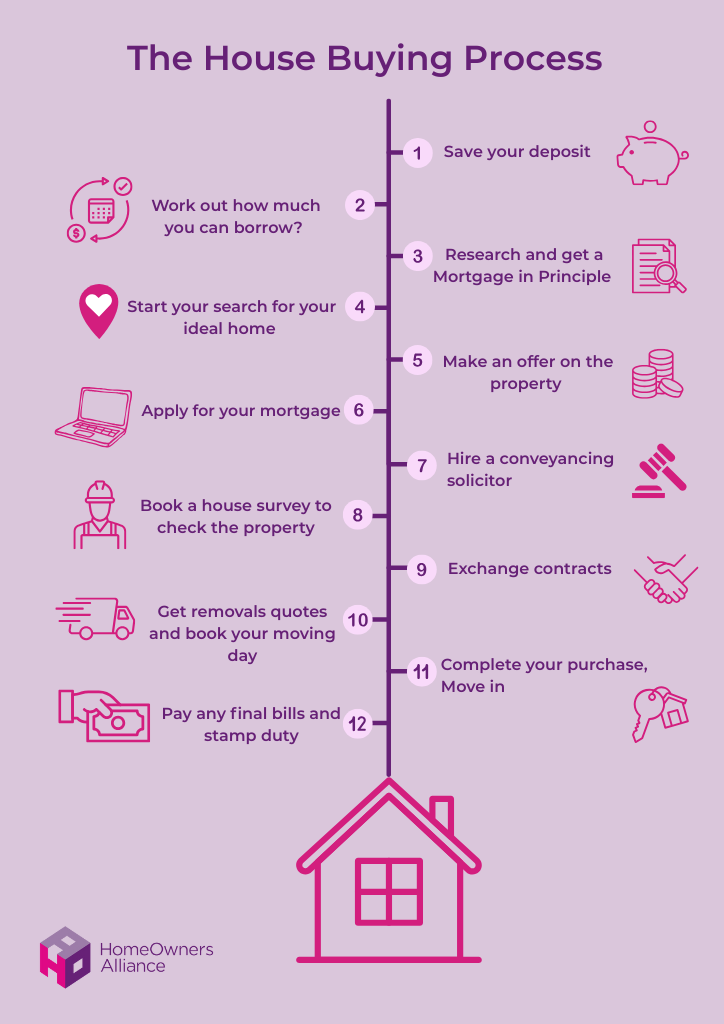
Fun fact: On average, people spend about 10 weeks searching for a home, viewing around 10 properties. But in a hot market, that can feel like 10 lifetimes and 100 properties. The key is perseverance. Don't give up. Your perfect (or perfectly fixer-upper) home is out there, waiting for you.
Your Home-Buying Dream Team: Assemble!
You wouldn't try to climb Everest without a sherpa, would you? The same goes for buying a house. You need a team of experts, your own personal Avengers, ready to tackle legal jargon and dodgy plumbing.
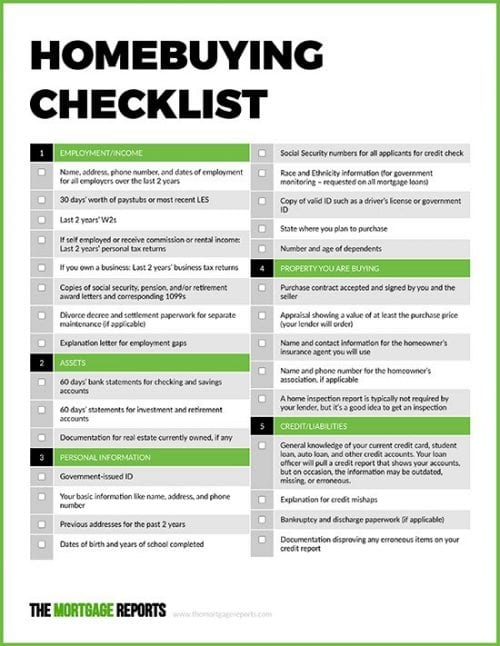
- Your real estate agent: Your guide, your therapist, your negotiator. They'll navigate the market, show you houses, and tell you gently when your expectations are, shall we say, "optimistic."
- Your loan officer/mortgage broker: The money wizard! They'll help you understand your budget, secure your loan, and explain exactly why interest rates are doing what they're doing.
- The home inspector: This person is basically Sherlock Holmes for houses. They'll crawl into scary attics and damp basements to find all the hidden issues before you sign on the dotted line. Worth every penny!
- An attorney or escrow agent: They handle the mountains of paperwork, ensure the transaction is legal, and make sure you actually get what you paid for.
Having a good team is like having cheat codes for the game of homeownership. They'll save you stress, time, and potentially a lot of money.
A Dash of Humor and a Heap of Hope
Finally, and perhaps most importantly, you need a healthy dose of humor and a truckload of hope. Things will go wrong. There will be delays. You might find a unicorn in your backyard before you find a house with decent counter space in your price range. But remember why you started this journey: the dream of having a place to call truly your own, to paint that wall magenta, to finally get a dog without landlord approval, to grow a garden, or simply to not have your rent go up every year.
It’s a wild ride, full of twists, turns, and sometimes surprisingly dusty basements. But with a bit of financial planning, a solid credit score, a great team, and the ability to laugh when things get utterly absurd, you'll eventually unlock the door to your very own slice of the world. Good luck, future homeowner!