What Is Natural Gas Used For In The United States
Ever wondered what fuels our lives behind the scenes? We often flip a switch or turn a dial without giving much thought to the energy powering our homes and businesses. But one energy source, natural gas, plays a surprisingly significant role in the United States. It's not just about heating your home; it's used in a myriad of ways, making understanding its applications both interesting and incredibly useful. So, let's dive in and explore the fascinating world of natural gas!
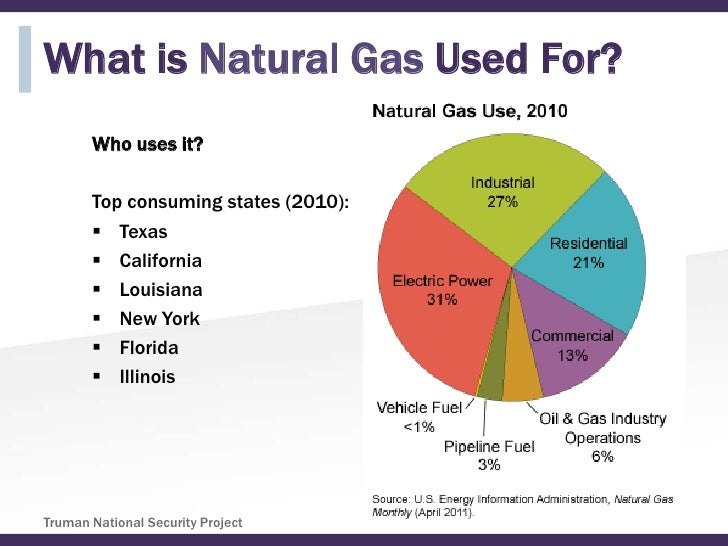
For beginners, the simplest way to think about natural gas is as a fuel source. It's mostly methane and is extracted from underground. But what can you do with it? Well, for families, natural gas is often a key part of home comfort. Think of your furnace, keeping you warm on chilly nights. Or your water heater, providing that soothing hot shower after a long day. Many families also use natural gas for cooking, enjoying the precise temperature control of a gas stovetop.
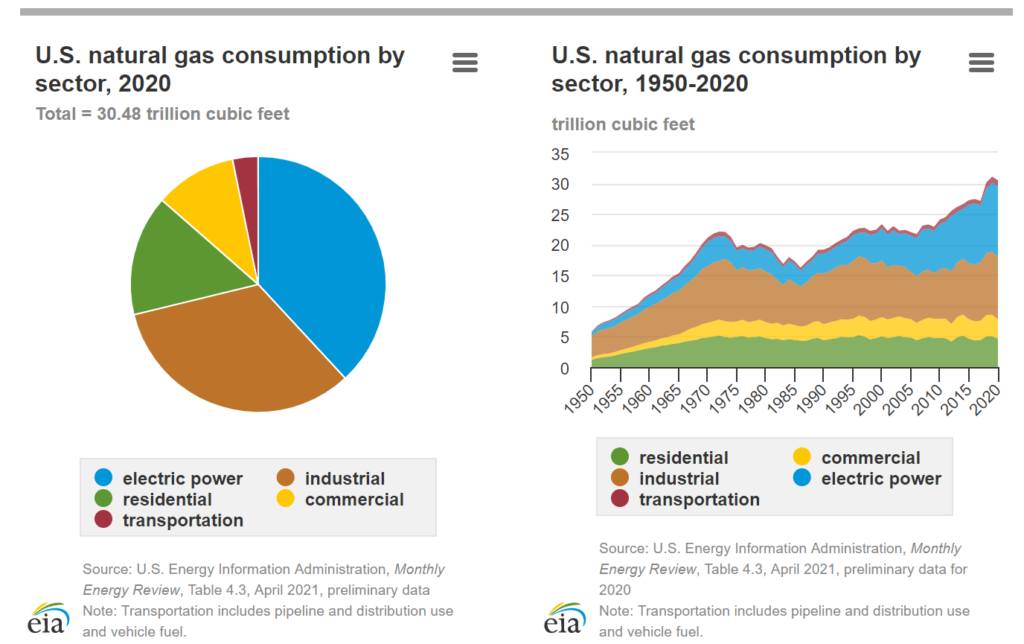
Beyond the home, natural gas plays a vital role in electricity generation. Power plants burn natural gas to create steam, which then spins turbines to produce electricity. This is especially important as the US transitions towards cleaner energy sources. Natural gas power plants can quickly ramp up or down their output, making them excellent partners for intermittent renewable energy sources like solar and wind.
Must Read
For hobbyists, especially those interested in DIY or outdoor activities, natural gas also offers interesting applications. Consider portable generators powered by natural gas, perfect for camping or tailgating. Some enthusiasts even convert their cars to run on compressed natural gas (CNG), although this is a more advanced project. And let's not forget the essential role it plays in creating many of the materials we use daily! Natural gas is a vital feedstock in the production of plastics, fertilizers, and other industrial products. Think of it: everything from your phone case to the food on your table probably relied on natural gas at some point in its production.
Now, how can you get started learning more or perhaps even utilizing natural gas more efficiently? First, understand your energy bill. Look at how much natural gas you're using each month and try to identify areas where you could reduce consumption. Simple steps like sealing drafts around windows and doors, insulating your water heater, and using energy-efficient appliances can make a big difference. If you're considering new appliances, research the efficiency ratings of different models. For those interested in alternative fuel vehicles, research CNG conversion options and the availability of CNG fueling stations in your area. Always consult with qualified professionals for any gas-related installations or modifications!

Variations in natural gas usage are also interesting to consider. For example, some areas are exploring the use of renewable natural gas (RNG), which is captured from sources like landfills and wastewater treatment plants. RNG offers a more sustainable alternative to traditional natural gas. Furthermore, the development of technologies like fuel cells are expanding the possibilities for natural gas utilization.
In conclusion, understanding the diverse uses of natural gas in the United States can be both enlightening and empowering. Whether it's powering our homes, fueling our industries, or enabling our hobbies, this energy source plays a critical, often unseen, role in our daily lives. By becoming more informed about its applications and embracing energy-efficient practices, we can all contribute to a more sustainable and secure energy future. So, take a moment to appreciate the energy that fuels your life – it's more interesting than you might think!