What Is Natural Gas Composed Of
Ever wondered what exactly natural gas is made of when you fire up your stove or feel the warmth from your heating system? It’s a pretty common energy source, powering so much of our daily lives, but its inner workings can seem a bit mysterious, right? Well, let's pull back the curtain and take a super chill, curious peek into its chemical makeup. Trust me, it’s actually kinda cool!
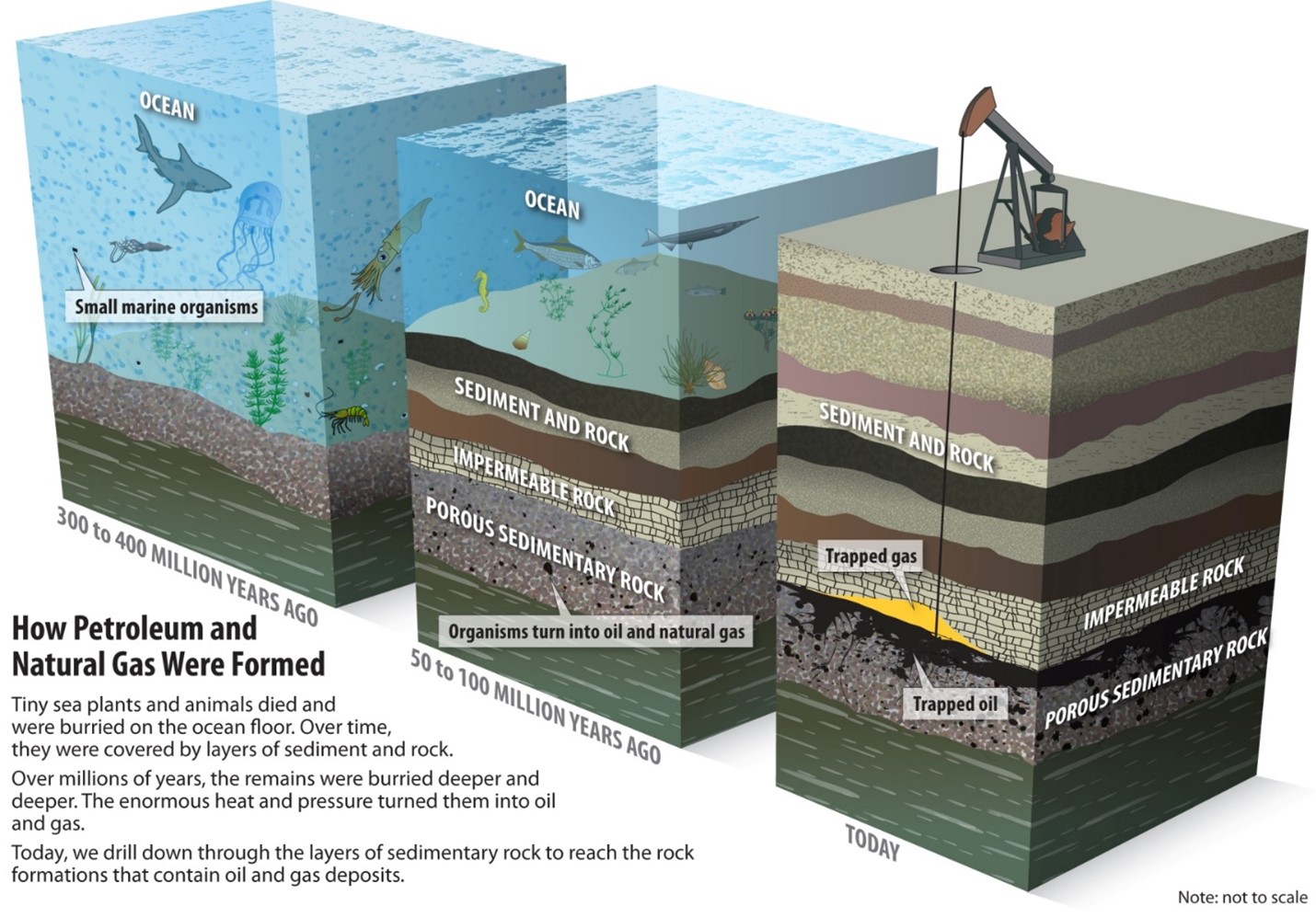
Imagine natural gas like a big, invisible party happening deep underground. There’s a main guest of honor, a few close friends, and then some interesting, sometimes uninvited, characters milling about. The whole shindig is mostly thanks to ancient plants and animals that got squished and heated for millions of years. Pretty wild when you think about it!
The Star of the Show: Methane!
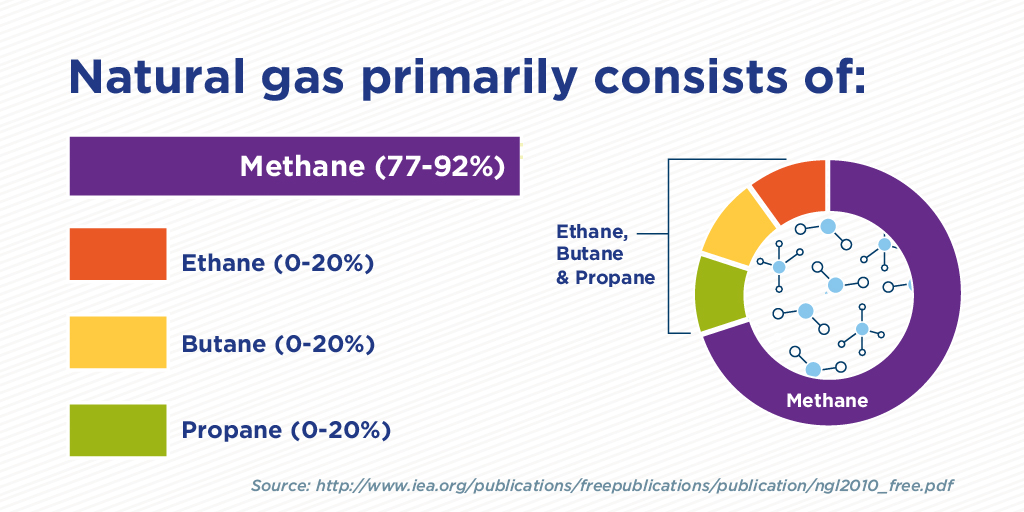
If natural gas were a band, the lead singer, the absolute superstar, would be methane. In fact, most of the natural gas we use is anywhere from 70% to a whopping 90% methane. That’s a huge chunk!
Must Read
What is methane, exactly? Think of it as the simplest possible hydrocarbon. It’s a tiny molecule made up of just one carbon atom surrounded by four hydrogen atoms (CH₄, if you like a little chemistry notation). It’s incredibly small, incredibly light, and here’s the kicker: it burns really, really well. Like, efficiently and cleanly.
Why is that important? Because when you’re trying to heat your home or cook dinner, you want maximum bang for your buck, right? Methane delivers that energy without a lot of fuss or nasty byproducts (compared to some other fuels). It's the ultimate clean-burning workhorse, doing most of the heavy lifting when it comes to generating heat and energy. Pretty impressive for such a tiny molecule, isn't it? It’s like the super-efficient mini-car of the energy world.
The Supporting Cast: Other Hydrocarbons
While methane is hogging the spotlight, it’s rarely alone. Natural gas often brings along some of its hydrocarbon buddies, usually in much smaller amounts. These are like methane’s slightly bigger, slightly more complex cousins.
- Ethane (C₂H₆): Think of ethane as methane’s older brother. It’s got two carbon atoms and six hydrogen atoms. While it burns well too, ethane is often separated out at processing plants because it’s super valuable for making plastics and other chemicals. It’s a crucial ingredient for polyethylene, which is in everything from plastic bags to milk jugs. So, it often gets a special VIP pass to a different factory!
- Propane (C₃H₈): Ah, propane! You might know this one from your backyard BBQ grill or your camping stove. It’s got three carbon atoms. Propane is heavier than methane and ethane, and it’s relatively easy to liquefy under pressure. That’s why it’s so convenient to bottle up and take with you. It’s like the portable, travel-sized version of natural gas, perfect for when you need heat away from the pipeline.
- Butane (C₄H₁₀): And then there’s butane, with four carbon atoms. Even heavier and easier to liquefy than propane. You’ll often find it in disposable lighters. It's fantastic for those small, controlled flames. Sometimes, butane and propane are referred to as "liquefied petroleum gas" or LPG when they're bottled up together.
These hydrocarbons are often present in natural gas in concentrations ranging from just a tiny fraction of a percent up to a few percent each. They’re important, but definitely not the main event when it comes to the raw energy coming out of your wall socket.
The Unexpected Guests: Non-Hydrocarbons
Okay, so we’ve got our burning hydrocarbons. But like any good party, there are always a few other characters who show up, some more welcome than others! These are the non-hydrocarbon components.
- Nitrogen (N₂): This is usually harmless, just kind of… there. It’s a major component of the air we breathe, and it doesn't burn. So, in natural gas, it mostly acts as a diluent, reducing the heating value. It’s like a party guest who just stands in the corner, not really participating.
- Carbon Dioxide (CO₂): We all know this one! While burning natural gas produces CO₂, sometimes it's already present in the raw natural gas directly from the ground. It’s a greenhouse gas, and also doesn't burn, so it's typically removed during processing to improve the fuel quality and reduce emissions at the source.
- Hydrogen Sulfide (H₂S): This one is the truly unwelcome guest. Hydrogen sulfide smells like rotten eggs (and no, that’s not the intentionally added "natural gas smell," that’s another chemical entirely). More importantly, it’s corrosive and toxic. So, it absolutely must be removed from natural gas for safety reasons. You definitely don’t want this stuff in your home.
- Helium (He): Now, this is a cool one! Sometimes, natural gas fields are a source of helium. Yes, the same stuff that makes balloons float and voices squeaky! It’s a rare and valuable gas, so when it’s found in natural gas, it's often separated out and captured. Who knew your energy source could also be a party supply?
Why Does All This Matter? The Cleaning Crew!
So, why do we care about all these different components? Because natural gas, straight from the earth, isn't always ready for prime time. It’s like a rough diamond that needs polishing.

Before natural gas makes its way into pipelines and eventually to your home, it goes through a specialized natural gas processing plant. Here, the "cleaning crew" gets to work. They remove the unwanted stuff like hydrogen sulfide and excess carbon dioxide, which are corrosive and dilute the gas. They also separate out the valuable hydrocarbons like ethane, propane, and butane, which are then sold for other uses.
The goal? To deliver natural gas that is mostly pure methane. This ensures it burns efficiently, cleanly, and safely in your appliances. It also guarantees a consistent energy content, so you know exactly what you’re getting when you pay for it.
The Big Picture
So, the next time you use natural gas, take a moment to appreciate the invisible symphony happening within. It's overwhelmingly methane – that tiny, powerful molecule doing most of the work. But it's also a fascinating mix of its hydrocarbon relatives and even some interesting chemical tag-alongs, all meticulously processed to bring you that reliable, convenient energy. Pretty neat, right? It’s not just "gas"; it’s a whole chemical adventure!