What Is More Expensive Natural Gas Energy Or Coal
Let's face it, energy prices are a hot topic these days, almost as captivating as a perfectly brewed cup of coffee on a Monday morning. And when we talk about energy, the age-old debate of natural gas versus coal inevitably bubbles to the surface. But instead of just focusing on the technicalities, let's approach this question with a playful curiosity: which one is really digging deeper into our pockets? Think of it as choosing between two grumpy dragons guarding your energy bills – which one breathes more fire?
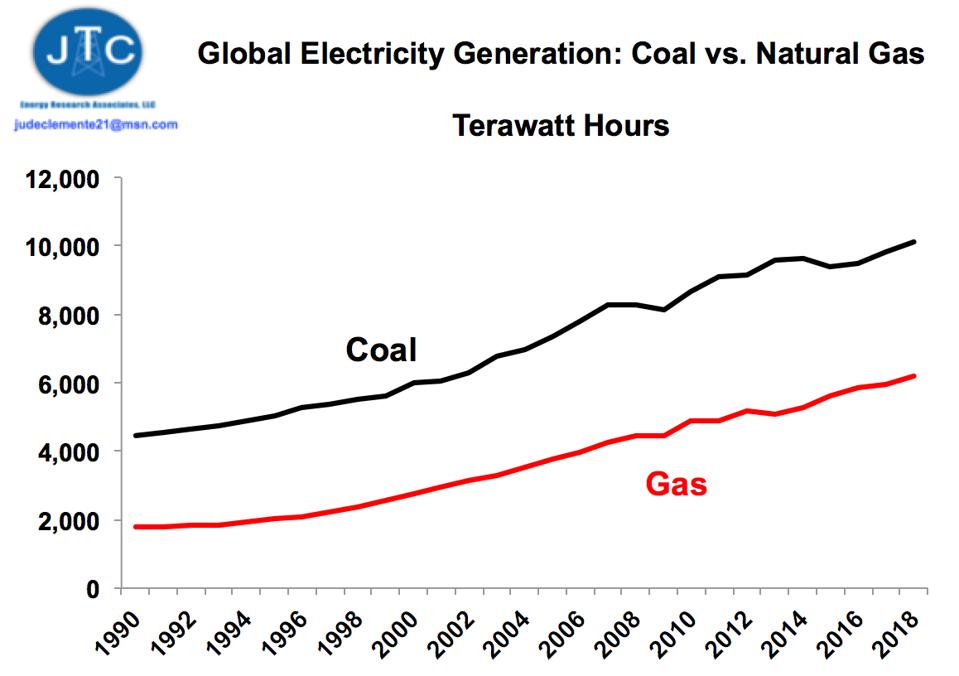
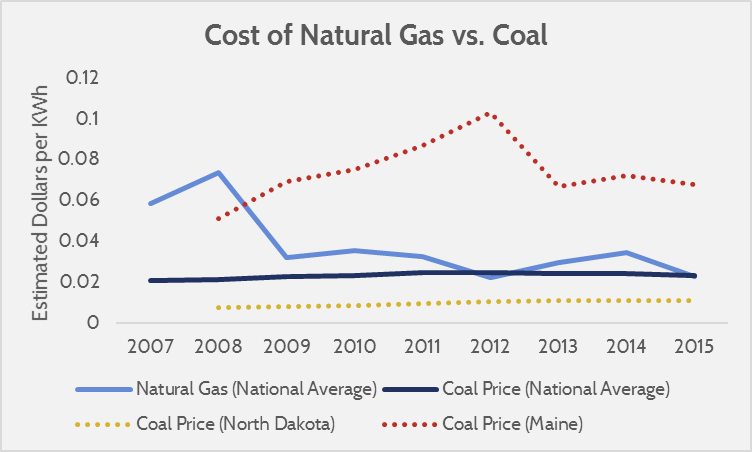
From a purely cost perspective, the answer isn't always straightforward. The prices of both natural gas and coal fluctuate based on a multitude of factors. These include supply and demand, transportation costs, environmental regulations, and even geopolitical events. However, generally speaking, natural gas has often been priced higher than coal on a per-unit-of-energy basis, especially in recent years. Coal, being a more abundant resource, tends to be cheaper to extract and transport, leading to lower initial costs. However, this doesn't tell the whole story.
One crucial element that skews the equation is the environmental impact. Coal, while cheaper upfront, carries a significant environmental burden. Burning coal releases a considerable amount of greenhouse gases, contributing to climate change. It also produces pollutants like sulfur dioxide and nitrogen oxides, leading to acid rain and respiratory problems. These environmental consequences often translate into hidden costs – healthcare expenses, environmental remediation efforts, and even potential carbon taxes.
Must Read
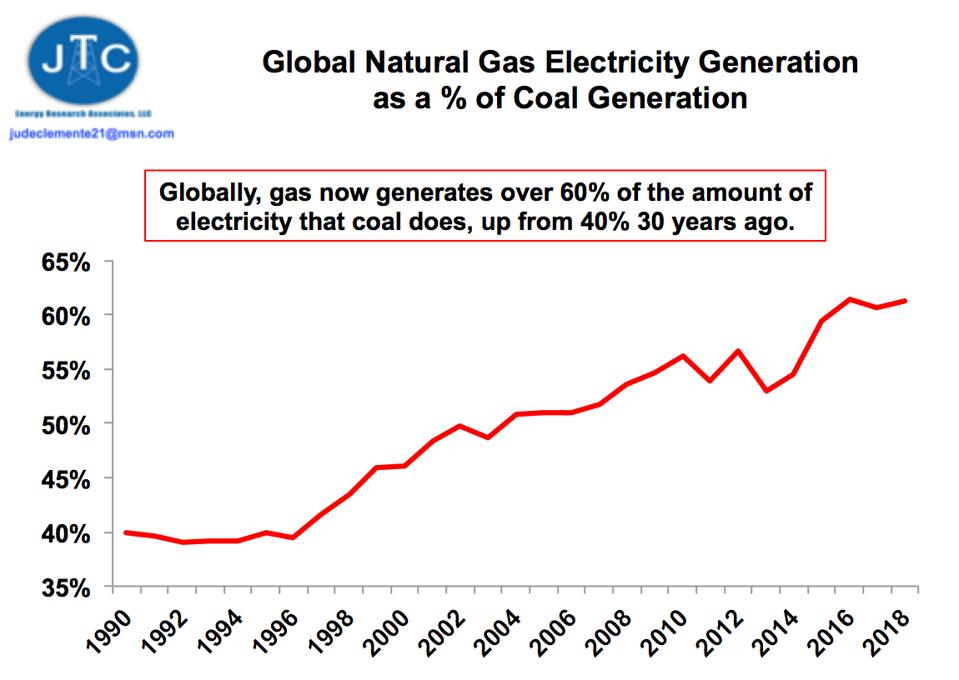
Natural gas, on the other hand, burns cleaner than coal, producing fewer greenhouse gases and pollutants. While it's not a perfect solution, it's generally considered a cleaner-burning fossil fuel. However, the extraction and transportation of natural gas can also have environmental consequences, such as methane leaks, which are potent greenhouse gases. So, while natural gas might have a higher initial price tag, it could potentially lead to lower long-term costs when considering the environmental factors and associated penalties.
Thinking about "expensive" isn't just about the immediate cost; it's about the holistic impact. For example, a small business owner might initially choose coal for its lower upfront cost, but the long-term repercussions of potential environmental fines, negative public perception, and eventual transition to cleaner energy sources could make it a far more expensive choice in the long run. Conversely, investing in more energy-efficient appliances that run on natural gas, even with a higher initial gas price, could drastically reduce consumption and lower overall expenses.
Ultimately, the "more expensive" choice depends on a complex interplay of market conditions, environmental considerations, and long-term planning. It’s a dynamic landscape, and staying informed is key. Consulting with energy experts and keeping an eye on energy market trends is a smart way to make informed decisions. So, while you might not be able to tame the energy dragons entirely, understanding their breath and their habits will certainly help you manage your energy bills and make choices that are both economically and environmentally sound.