What Is Meant By Product Life Cycle Pricing
Ever bought the newest, shiniest gadget on day one, only to see it practically given away a year later? That, my friends, is the Product Life Cycle in action! And guess what? There's a whole sneaky (but totally legit) strategy behind how things are priced throughout this whole rollercoaster ride. It's called Product Life Cycle Pricing, and it's way more exciting than it sounds. Trust me!
What's the Big Idea?
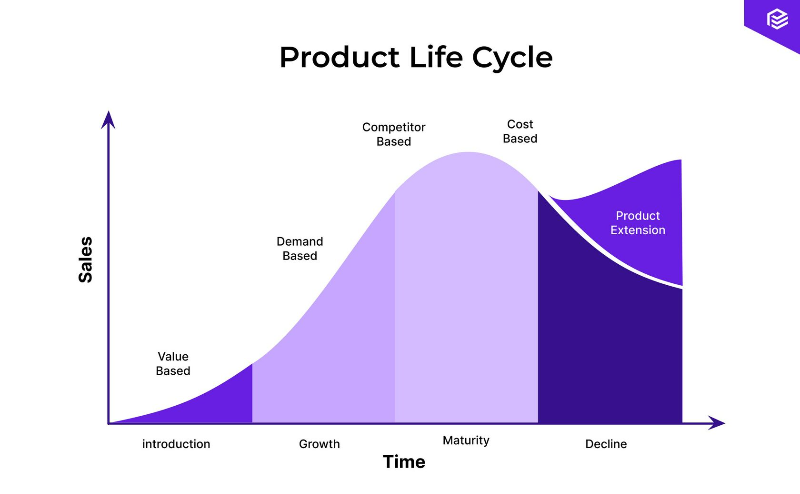
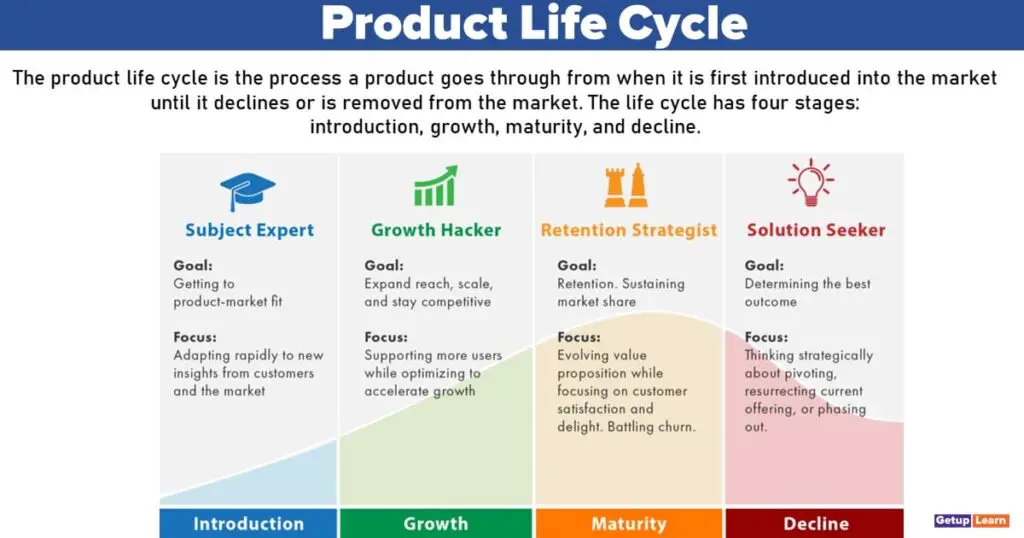
Imagine a product's life like a pop star's career. It bursts onto the scene (introduction!), enjoys massive fame (growth!), chills out at peak popularity (maturity!), and then... well, fades away a little (decline!). Each of these stages has different pricing strategies attached to it.
Stage 1: Introduction - "Gimme All Your Money!" (Just Kidding... Mostly)
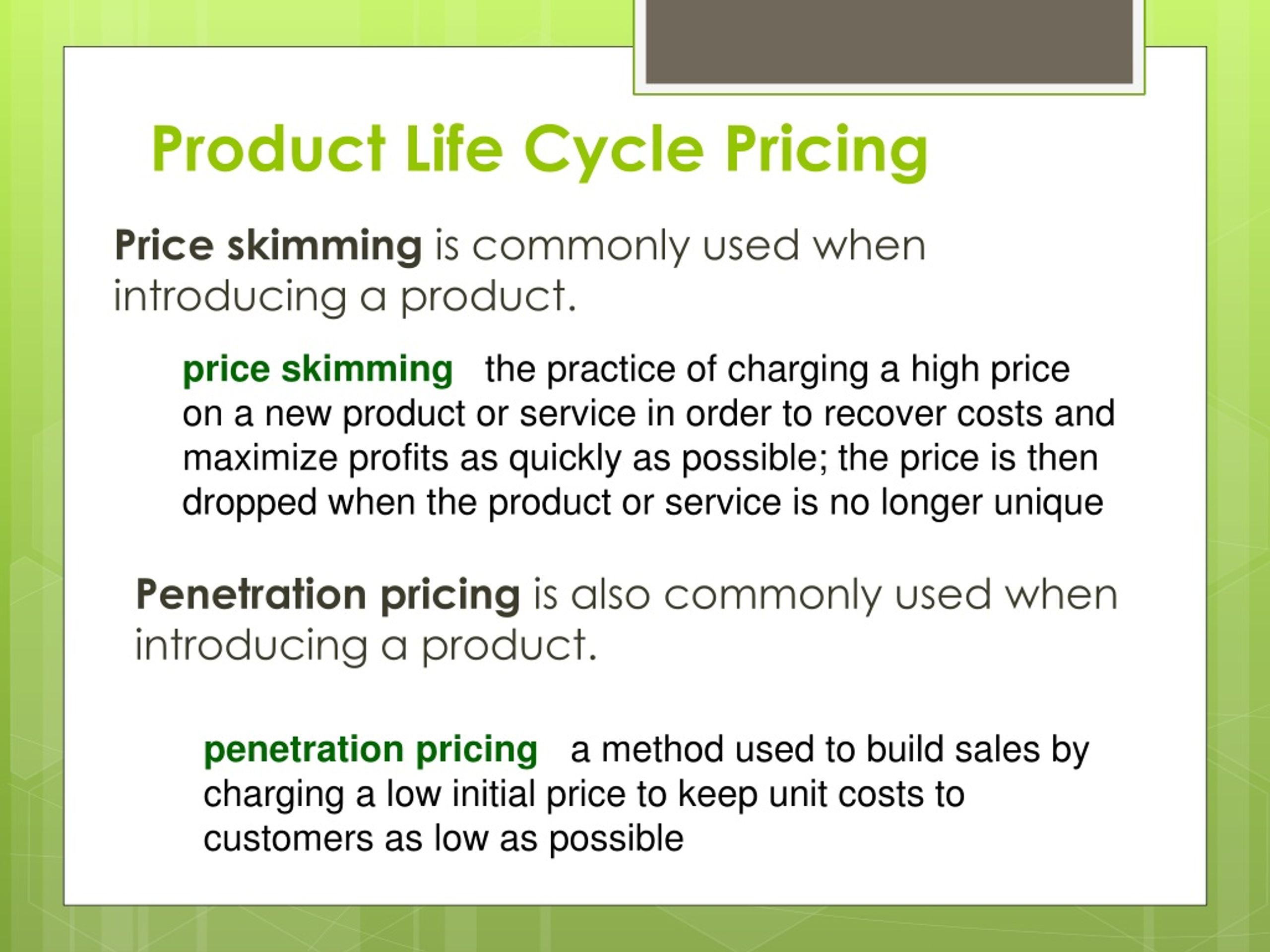
This is when the product is brand new and totally cool. Think of the latest smartphone. Companies often use either skimming pricing or penetration pricing here. Skimming is like saying, "Hey, we're the best! Pay top dollar to be the first!" They charge a premium because early adopters are willing to pay for the novelty. It's like buying front-row tickets to a Beyoncé concert – you're paying for the bragging rights, baby!
Must Read
Penetration pricing, on the other hand, is like sneaking into that Beyoncé concert. Companies set a low price to grab a huge chunk of the market fast. It's all about volume! Think of a new streaming service offering a super cheap introductory rate. They want everyone hooked before they slowly raise the price later.
Stage 2: Growth - "Everyone's Doing It!"
Now everyone knows about the product. Sales are booming! The pricing strategy here is usually to maintain a competitive price while focusing on improving the product and expanding distribution. It's like the pop star releasing remixes and touring the world – maximizing their reach and keeping the fans engaged. Minor price adjustments might happen, but the goal is to keep the momentum going.
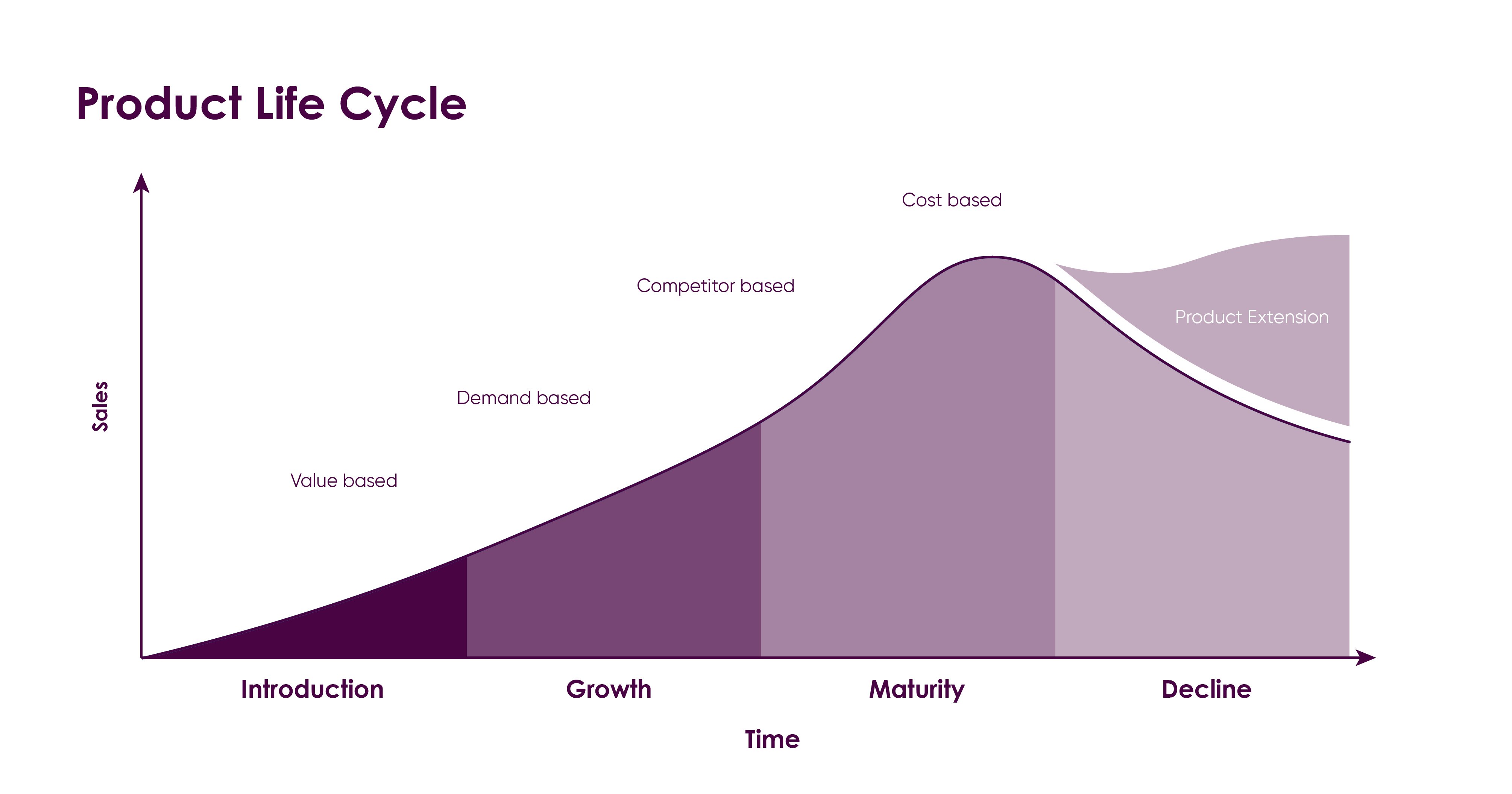
Stage 3: Maturity - "Still Cool, But Not The Coolest"
Sales start to level off. The market is saturated. It's like the pop star releasing a greatest hits album. Competition is fierce, so companies often focus on price promotions, discounts, and loyalty programs to maintain market share. Think of those "buy one, get one free" deals on your favorite shampoo. Or those coupon codes that get mailed out! It’s all about keeping customers from straying to the competition.
Stage 4: Decline - "Time to Say Goodbye... (Or Not!)"
Sales are dropping. The product is becoming obsolete. It's like the pop star announcing their farewell tour. (Okay, maybe not that dramatic). Companies have a few options here. They can either drastically lower the price to clear out inventory (think clearance sales!), or they can try to squeeze out every last drop of profit by selling to niche markets who are still loyal to the product. Or, sometimes, they pull the product entirely! No hard feelings, right?
Important Note: Some products defy the decline stage. They become classics! Think of Coca-Cola or Levi's jeans. They've managed to stay relevant through smart marketing and adaptation, but even they've had to adjust their pricing strategies over the years.
So, What Does It All Mean?
Product Life Cycle Pricing is all about understanding where a product is in its lifespan and adjusting the pricing strategy accordingly. It's a dynamic process that requires careful planning and monitoring. Next time you're shopping, pay attention to how products are priced. You might just be able to predict what's coming next!
"The best marketing doesn't feel like marketing." - Tom Fishburne
And remember, sometimes the best deals are the ones you wait for... but only if you can resist the urge to be the first on your block with the latest gadget!