
What Is Meant By Nuclear Energy
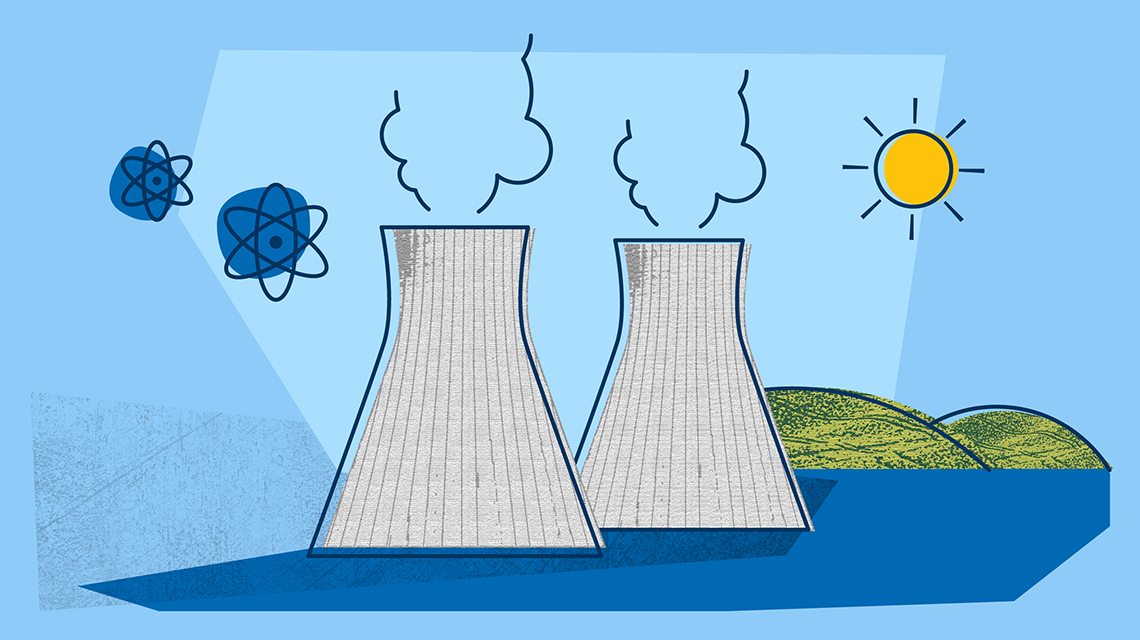
Okay, so you hear "nuclear energy," and let's be honest, your brain probably immediately conjures up images of either big, scary mushroom clouds or Homer Simpson at a control panel, right? Totally normal! It sounds super intense, like something out of a comic book. But honestly, it's not quite as wild as it seems, though it is pretty mind-blowing.
So, what are we even talking about when we say nuclear energy? Deep breath. At its core, it's all about playing with the tiniest building blocks of everything – atoms. Remember those from science class? Little protons, neutrons, electrons whizzing around? Yeah, those guys.
The Big Idea: Splitting Atoms!
Think of it like this: most energy we use comes from burning stuff – coal, gas, wood. That's essentially rearranging molecules. Nuclear energy, though? We're going a step deeper. We're actually messing with the nucleus of an atom. You know, the really dense, central part where the protons and neutrons hang out.
Must Read
The magic, or science, happens with certain heavy atoms, usually uranium. These atoms are a bit unstable, a bit fidgety. What we do is we smack one of these uranium atoms with a tiny particle called a neutron. And get this: when that neutron hits, it causes the uranium atom to split into two smaller atoms.
Sounds simple, right? But here's the kicker: when it splits, it doesn't just split. It releases a truly enormous amount of energy, and it also shoots out more neutrons. See where this is going? Those new neutrons then go off and hit other uranium atoms, causing them to split, release more energy, and more neutrons. It's like a scientific domino effect, a chain reaction!
From Tiny Splits to Powering Your Toaster
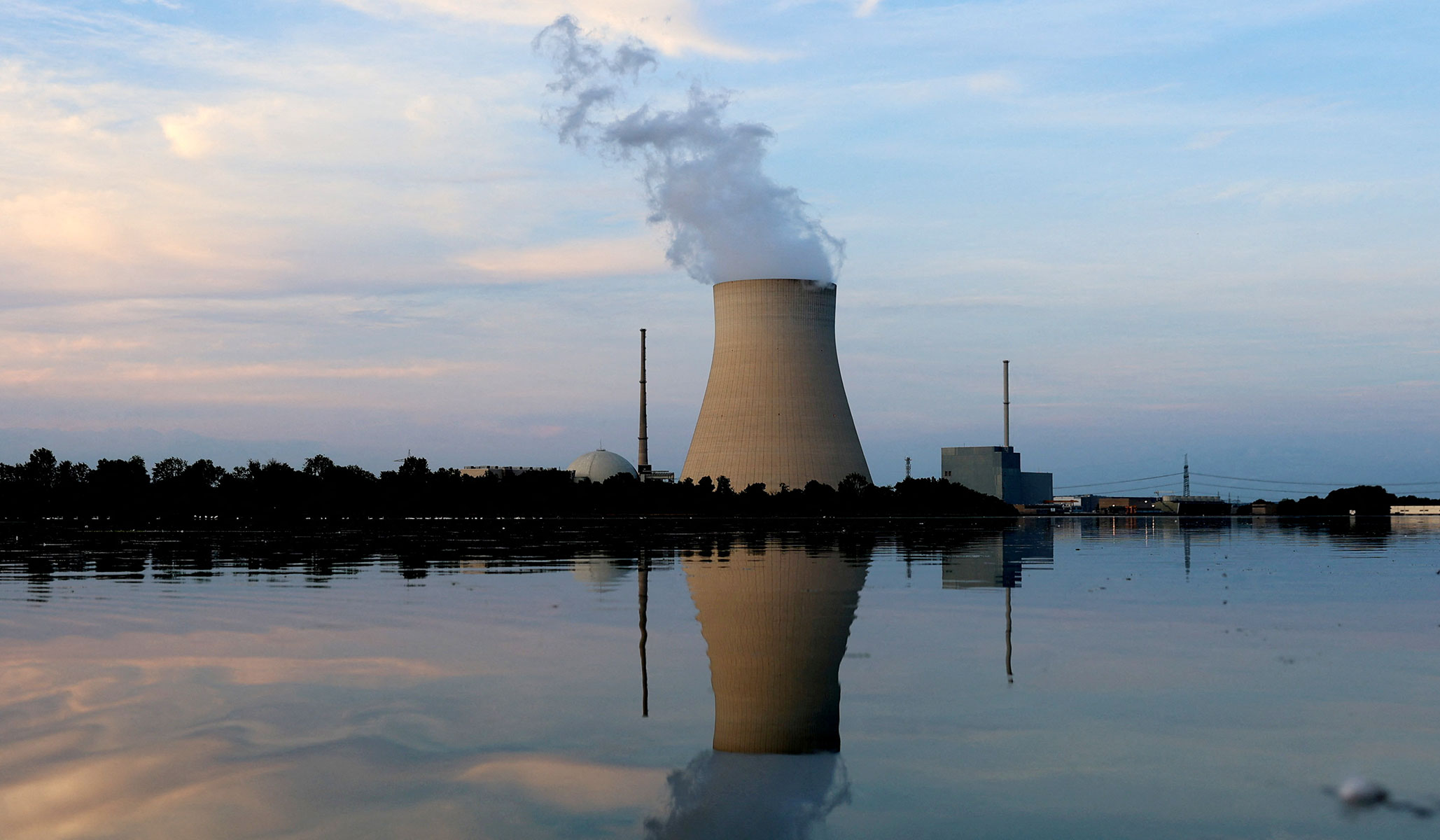
So, you've got this incredible cascade of splitting atoms happening, all releasing tons of heat. Now, how do we get that heat to power your Netflix binge? It's surprisingly low-tech from here on out. That intense heat is used to boil water. Yep, just like making pasta or a cuppa tea, but on a gigantic, industrial scale.
That boiling water creates high-pressure steam. And what do we do with steam? We use it to spin a massive turbine! The turbine is connected to a generator, and voilà! Electricity is made. Seriously, the whole process of generating electricity from steam is pretty much the same for coal, gas, or nuclear. The difference is just what boils the water.
Why Bother with all this Atom-Splitting Business?
Good question! There are a few compelling reasons why nuclear energy has been a big player for decades. First off, it’s incredibly powerful. A tiny amount of uranium can produce an insane amount of energy – way more than burning the same amount of fossil fuels. We're talking about a small pellet of uranium having the energy equivalent of tons of coal. That's efficiency, baby!
Secondly, and this is a big one for our planet: nuclear power plants don't emit greenhouse gases like carbon dioxide when they're operating. No smokestacks belching out CO2. So, it's seen as a clean energy source in terms of air pollution and climate change, which is a pretty huge deal, right?
Plus, it's super reliable. Unlike solar or wind, which depend on sunshine or a breezy day, a nuclear power plant can run 24/7, rain or shine, day in and day out, providing a steady, consistent flow of power. Pretty handy for keeping the lights on!

The Elephant in the Reactor (and Other Worries)
Of course, it's not all sunshine and rainbows. Nuclear energy comes with its own set of challenges, and it's totally fair to be concerned about them. The biggest one everyone thinks about is safety. Incidents like Chernobyl or Fukushima are scary, and they highlight the potential for catastrophic accidents if things go wrong. It's why nuclear plants have incredibly stringent safety protocols and redundant systems.
Then there's the nuclear waste. When the uranium fuel is "used up" (meaning it can't sustain a chain reaction efficiently anymore), it's still radioactive. And it stays radioactive for a very, very long time. Figuring out how to safely store this waste for thousands of years is a huge, ongoing challenge. It’s not just something you can throw in the regular trash, obviously!

And, naturally, there's always the concern about the materials themselves – uranium can be used to make weapons. So, security and non-proliferation are massive global concerns with nuclear technology. It's a powerful force, and with great power...
So, What's the Verdict?
Ultimately, nuclear energy is a fascinating, complex, and powerful technology. It’s got the potential to provide a huge amount of clean, reliable energy, but it also comes with significant risks that we need to manage really, really carefully. It's not a simple "good" or "bad" answer; it's a tool, and like any powerful tool, it needs to be wielded with incredible responsibility and foresight.
See? Not quite as scary as a monster under the bed, more like a super-smart, slightly high-maintenance friend who can do amazing things. And that, my friend, is nuclear energy in a nutshell. Or, you know, an atom shell.