Ever hear the phrase “green energy”? Of course, you have. It’s everywhere! It’s in commercials, on news reports, and probably whispered by your plants if they could talk. We picture happy windmills spinning gracefully, or vast fields of shiny solar panels soaking up the sun’s rays. It all sounds wonderfully pure, doesn’t it? Like Mother Nature herself is giving us a high-five.
But let’s be honest for a sec. Take a deep breath. Now, imagine yourself with a giant magnifying glass, peering a little closer. Because, between you and me, calling something "green" can sometimes be like calling a chocolate chip cookie "healthy" because it has oats. It’s got good intentions, sure. But there’s usually a bit more to the story.
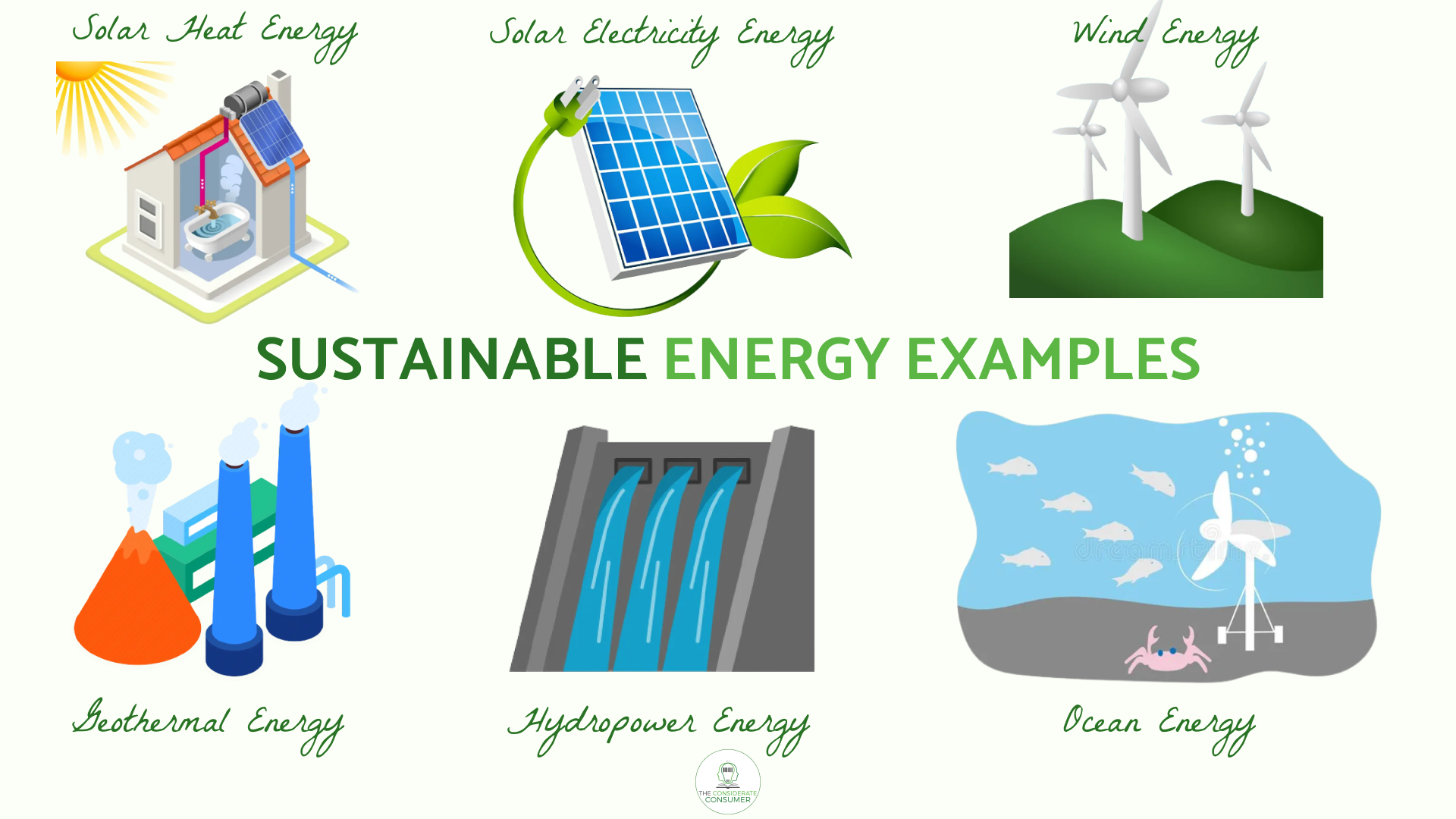
When we say green energy, we’re generally talking about power that comes from sources that don’t run out and don’t, supposedly, pump out a bunch of pollution when they’re generating electricity. Think sunlight, wind, water, and even the heat from deep inside the earth (that’s called geothermal, fancy, right?). The big idea is that these sources are renewable – oops, almost used a big word there! They keep coming back, day after day, year after year. The sun rises, the wind blows, the rivers flow. It’s all very reliable, unlike your neighbour’s WiFi.
So, on the surface, it’s brilliant! We use nature’s free gifts to power our lives. No more dirty smoke stacks, no more digging up ancient dinosaurs for fuel. Sounds like a total win-win. High fives all around!
But here’s my slightly unpopular, very playful opinion. Are we sure it’s always 100% green, all the time, no questions asked?
What is Renewable Energy?
Let’s consider those lovely solar panels. They don’t just pop out of the ground like daisies. They have to be manufactured. And making things, especially high-tech things, usually involves factories. Factories need energy. They use raw materials. Sometimes, those materials have to be mined from the earth, which isn't exactly a gentle, green process itself. It’s a bit like making an "organic" t-shirt, but the cotton was grown with organic methods, yet the factory it was made in runs on coal. Is the t-shirt entirely organic then?
The same goes for those majestic wind turbines. They’re enormous! Building one requires a huge amount of steel, concrete, and other bits and bobs. Getting all that material, building the giant blades, transporting them, and then hoisting them up into the sky – that’s a big job. It needs heavy machinery, trucks, and boats, all of which use fuel. Fuel, which, you guessed it, often isn't green itself. It’s a bit of a chicken-and-egg situation, or maybe a chicken-and-electric-car situation.
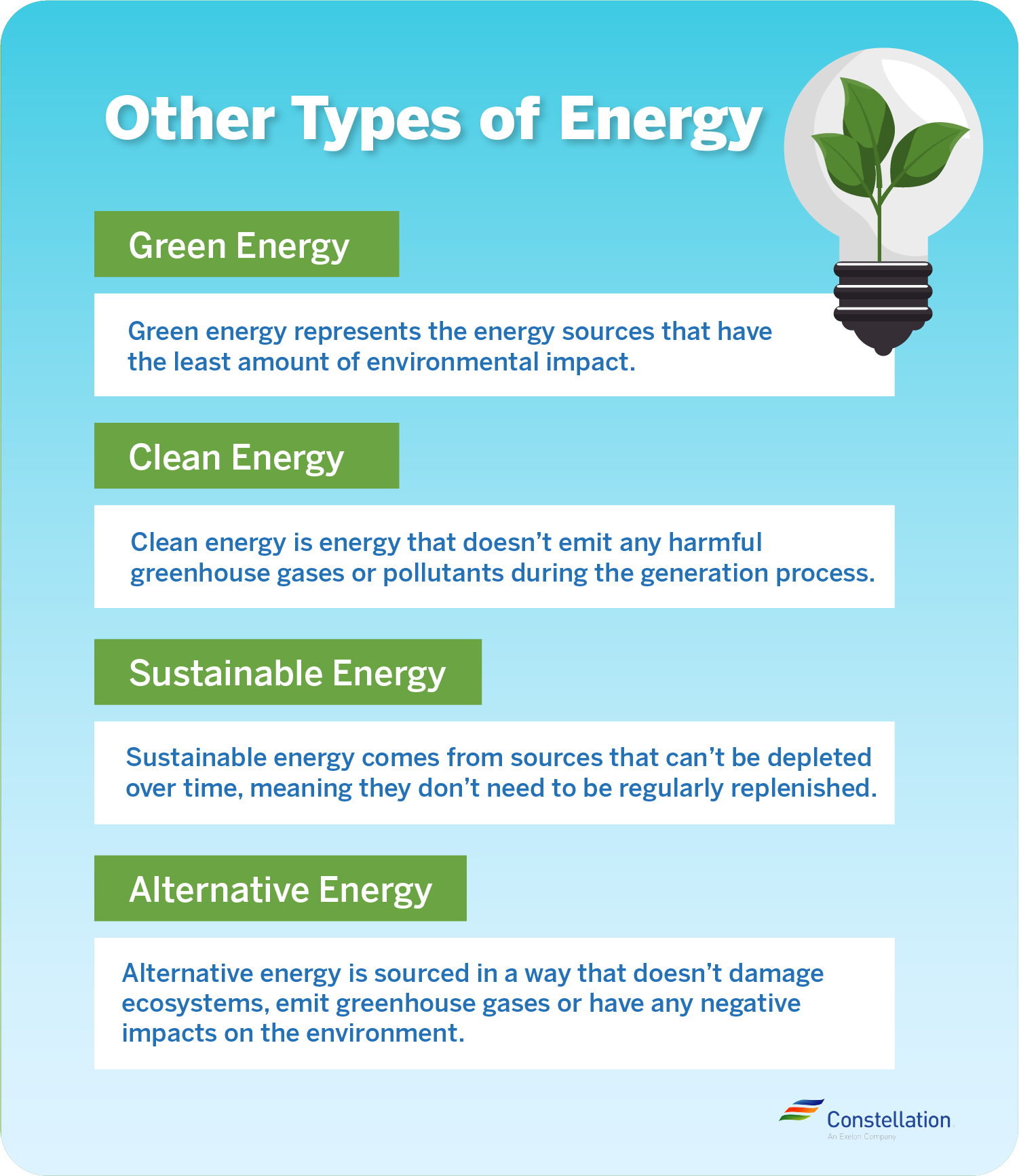
Differences Between Green Energy and Renewable Energy | Constellation
Then there's the lifecycle. What happens when a solar panel gets old and stops working as well? Or a wind turbine blade cracks? These things don't last forever. They need to be repaired, replaced, and eventually, disposed of. And right now, recycling all the complex components from these technologies is, well, a work in progress. Sometimes they end up in landfills. Not quite the picture of pristine greenness we had in our heads, is it?
It’s like ordering a "fresh garden salad" only to find out the lettuce flew first class from another continent, the dressing was made in a lab, and the croutons were deep-fried. The intention was green, but the journey was... well, let's just say it had some carbon footprints.
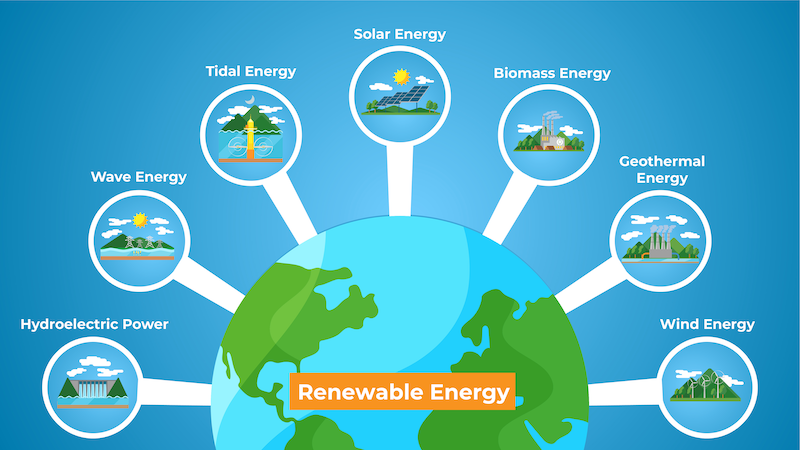
Renewable Energy | WTS Energy
So, when we talk about green energy, it’s important to remember it’s usually referring to the operational phase – when it’s actively producing power. That part is often wonderfully clean. But the true "greenness" of anything should probably consider the entire journey: from digging up the bits, to making the thing, to installing it, to maintaining it, and finally, to saying goodbye to it.
Does this mean green energy isn't good? Absolutely not! It’s still a huge leap forward, and the intentions are spot-on. We absolutely need to keep pushing for better, cleaner ways to power our lives. But maybe, just maybe, we should broaden our definition of "green" to encompass the whole kit and caboodle. So next time someone says “green energy,” you can smile knowingly. You’re now in on the secret: it’s a brilliant idea, but the journey to truly being 100% emerald-green is a fascinating, complex, and ongoing adventure. And sometimes, you need a very big magnifying glass to see all the shades of green.