What Is Meant By Biomass Energy
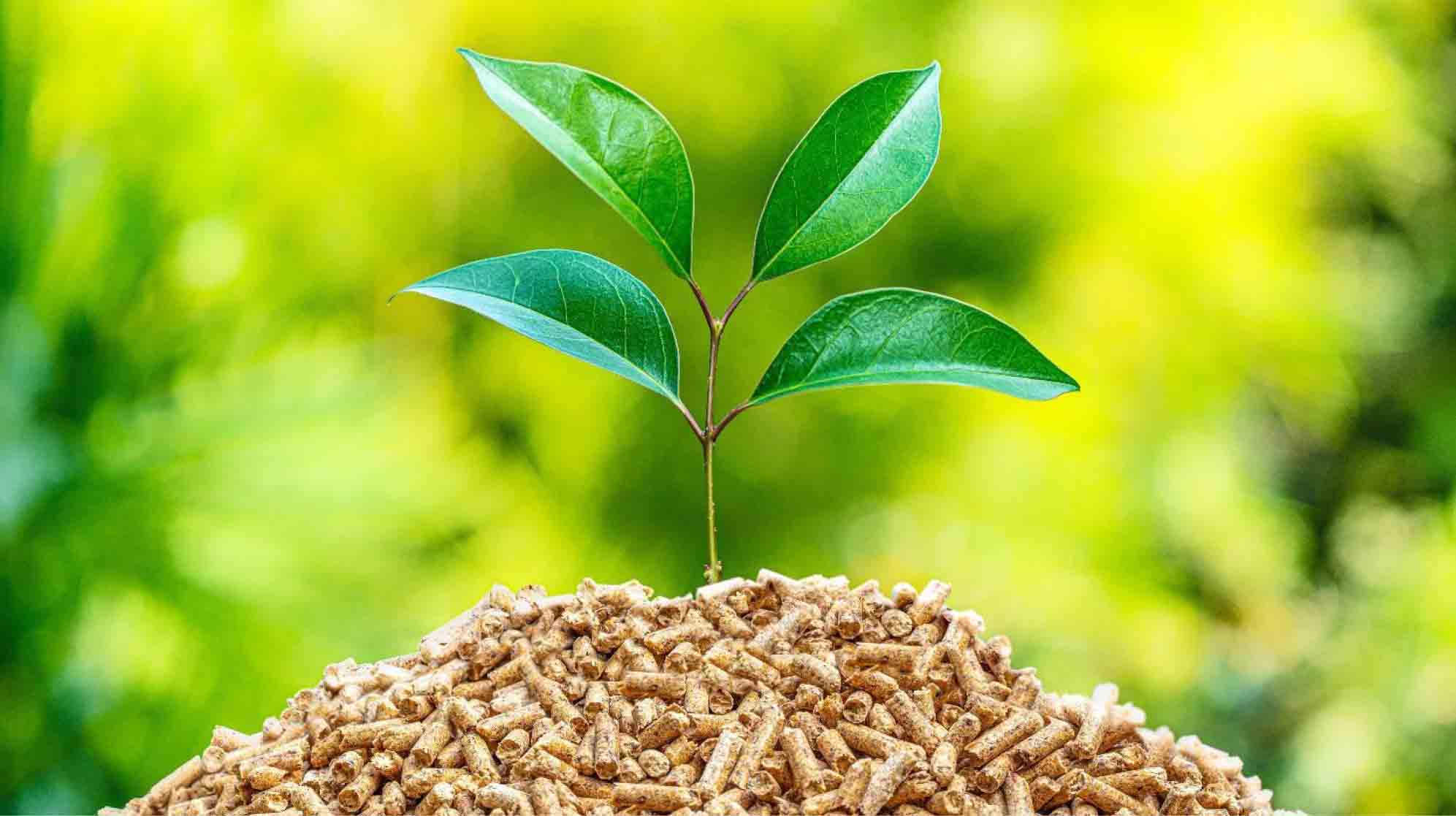
Ever wonder about energy that grows on trees, literally? Or the power that comes from yesterday's dinner scraps? That's the wonderfully earthy world of biomass energy! It’s not just about futuristic gadgets or massive power plants; it's a super cool way our planet recycles and reuses, turning organic matter into something useful. It’s a topic that's both fascinating and incredibly practical, helping us think about sustainability in a tangible way. Imagine turning waste into warmth or electricity – how fun is that?
The beauty of biomass energy is how accessible its concepts are for everyone. For beginners, it's a fantastic introduction to renewable energy sources beyond solar and wind. It helps us understand that nature provides not just food and shelter, but also fuel. For families, exploring biomass can be a brilliant way to teach kids about the life cycle, decomposition, and the importance of reducing waste. Home composting, for example, is a direct, hands-on application of biomass principles – turning kitchen scraps into nutrient-rich soil! And for the budding hobbyist, perhaps someone interested in gardening, self-sufficiency, or just living a bit greener, understanding biomass deepens their connection to natural cycles and resource management. It highlights how we can work with nature to meet our energy needs, rather than against it.
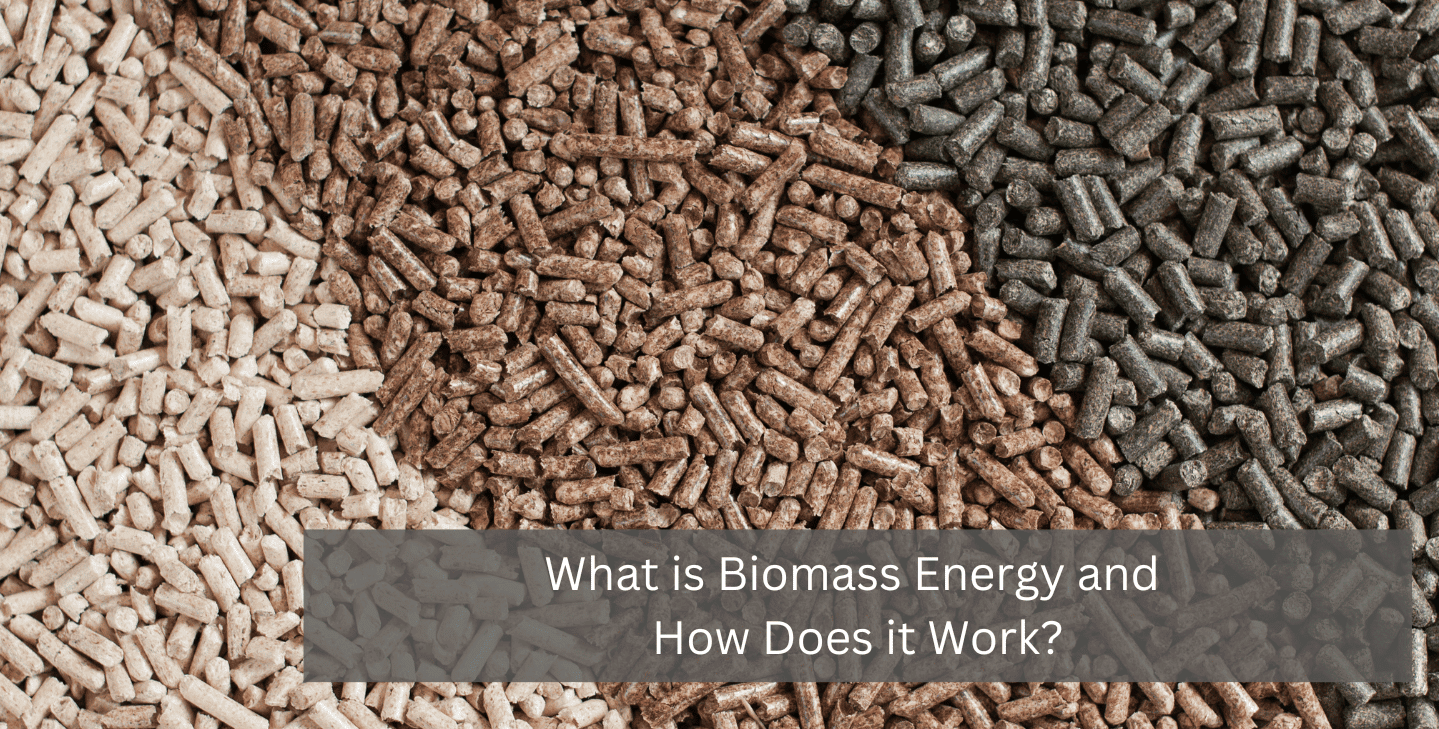
So, what exactly counts as biomass? It's any organic material derived from plants or animals that can be used as fuel. This includes a huge range of things! Think about woody biomass like trees, wood chips, and sawdust – these are commonly burned in special power plants or efficient wood stoves to generate heat and electricity. Then there's agricultural waste: imagine corn stalks, sugarcane husks, or even rice hulls that are left over after harvesting food crops; these can be collected and converted into energy. Animal waste, like manure, can be put into anaerobic digesters to produce biogas (mostly methane), which can then be burned for power. And don't forget food waste from our homes and restaurants – it can be composted, digested, or even fermented to create biofuels. Even special "energy crops" like switchgrass or fast-growing willow are cultivated specifically for their energy potential.
Must Read
Ready to dabble in the world of biomass yourself? You don't need a power plant! A great starting point is to embrace home composting. Turn your fruit peels, vegetable scraps, and garden trimmings into rich soil for your plants. It's a simple, effective way to divert waste from landfills and see organic matter transform. If you have a fireplace or wood stove, consider using sustainably sourced firewood; it’s a direct use of woody biomass for heating. Another easy tip is simply to reduce your food waste. The less food we waste, the less energy is needed to produce, transport, and dispose of it, making our entire system more efficient. Support local businesses that use biomass for heating or power if you have them in your community.
Biomass energy truly offers a fascinating glimpse into how we can harness the power of nature's cycles. It teaches us to see "waste" as a valuable resource and empowers us to make more sustainable choices in our daily lives. There's a real sense of satisfaction in understanding that the very things we grow or even discard can contribute to a greener, more energy-efficient future. It's about finding energy in unexpected places and truly living in harmony with our environment!