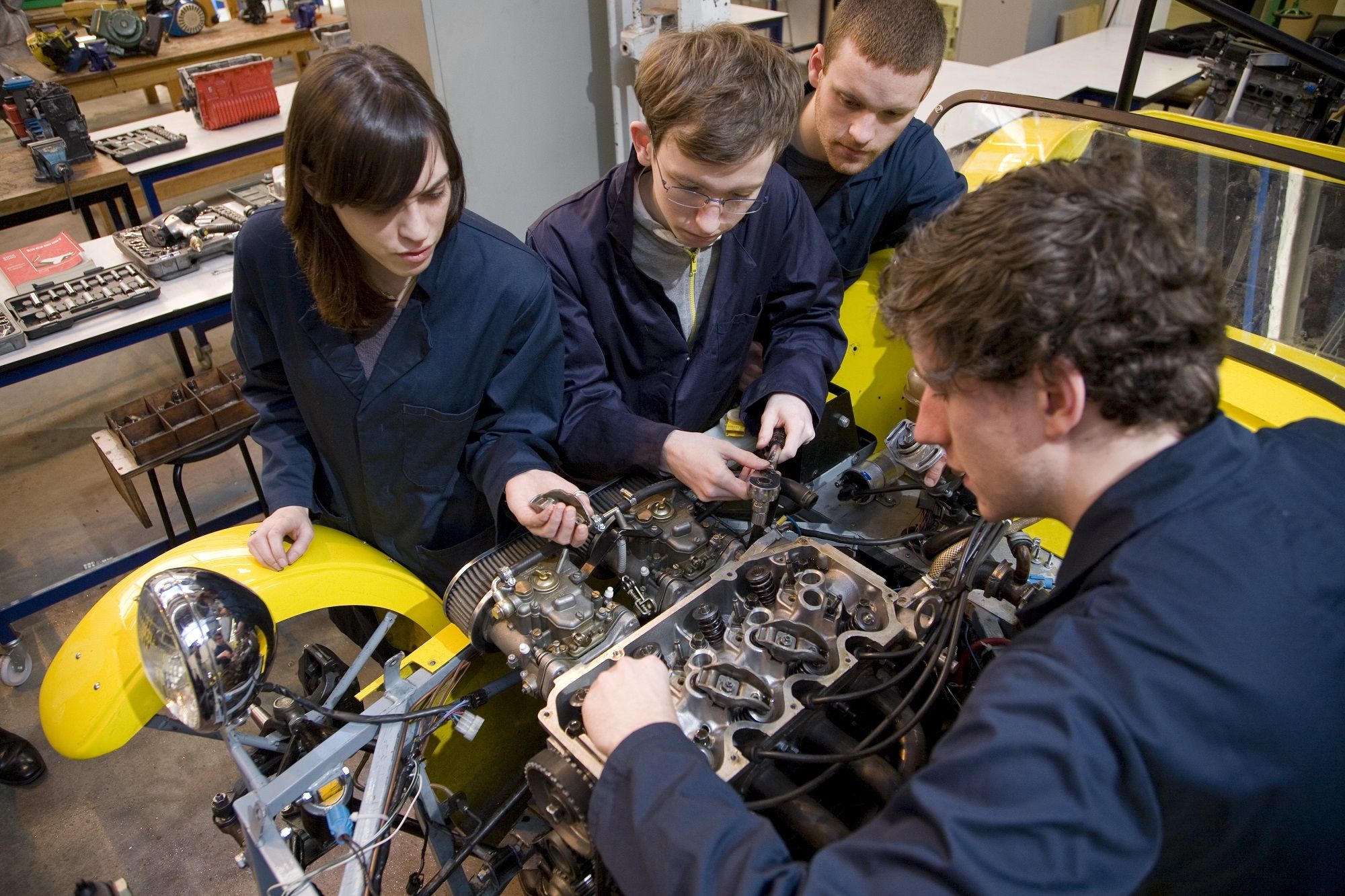
What Is Maintenance In Mechanical Engineering
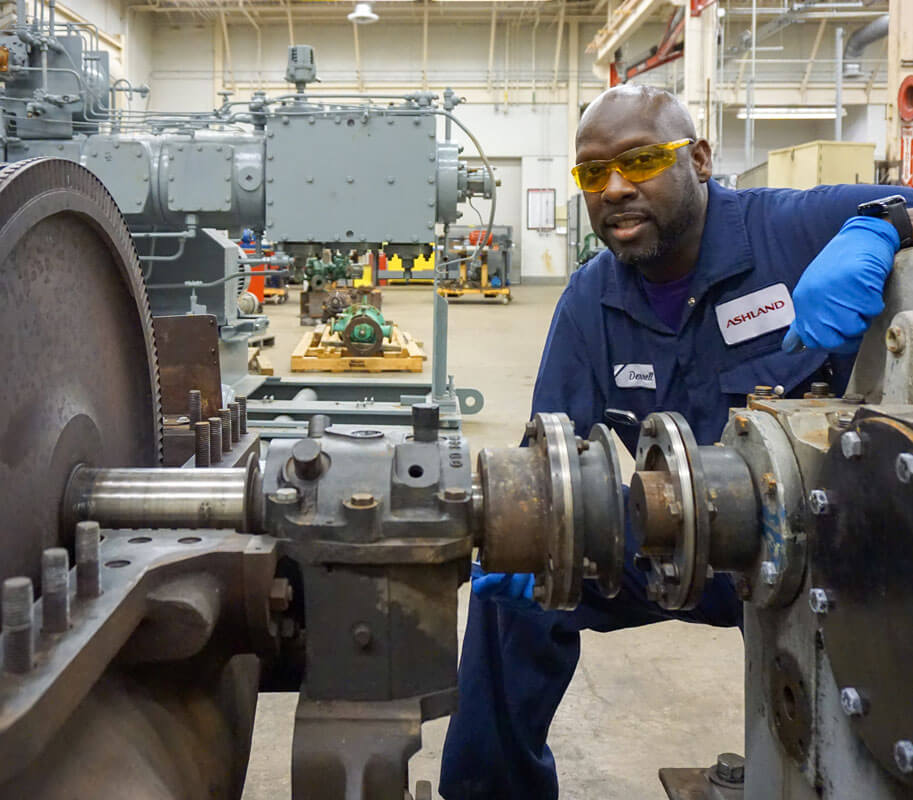
Hey there, future engineer (or just curious friend)! Ever wonder what keeps those giant factory machines humming, those airplanes soaring, and even your own car rolling? The secret ingredient is often something called maintenance. And in the world of mechanical engineering, it's kind of a big deal.
Think of it this way: imagine you're a super-cool inventor. You've just built the most amazing robot ever! But if you never oil its joints, clean its circuits, or replace its batteries, it's going to end up a rusty, robotic paperweight, right? (Unless, of course, that's your artistic vision... which, hey, no judgment here!). That's where maintenance comes in.
So, What Is Maintenance in Mechanical Engineering?
In its simplest form, maintenance is all about keeping things working! More specifically, it's about ensuring that mechanical systems and equipment continue to operate efficiently, safely, and reliably. It involves a whole bunch of activities aimed at preventing breakdowns, repairing problems, and extending the lifespan of machines.
Must Read
It's not just about fixing things when they break (though that's a part of it, too!). It's actually a proactive approach, like a well-planned workout routine for your mechanical systems. We're talking about things like:
- Inspections: Like a doctor's check-up, but for machines. Looking for signs of wear and tear.
- Lubrication: Making sure everything is properly oiled and moving smoothly. No one wants a squeaky robot!
- Cleaning: Keeping things free from dirt, dust, and other gunk that can cause problems. Think of it as machine hygiene!
- Repairs: Fixing things that are broken or malfunctioning. Sometimes things just need a little TLC.
- Replacements: Swapping out worn-out parts with new ones. Everything has a lifespan, even robots.
- Adjustments: Fine-tuning settings to optimize performance. Making sure everything is running like a well-oiled (literally!) machine.
See? It's more than just grabbing a wrench and hoping for the best (though sometimes that works too... just kidding! Please don't do that).

Types of Maintenance – It’s Not One-Size-Fits-All!
Now, things get even more interesting because there are different types of maintenance strategies. It's like choosing between different workout styles – yoga, weightlifting, cardio... they all have their place!
- Preventive Maintenance: This is like getting regular oil changes for your car. It's scheduled maintenance performed at regular intervals to prevent failures. Think of it as the responsible adult of maintenance strategies.
- Corrective Maintenance: This is the "fixing it when it breaks" approach. It's reactive, meaning you only take action after a failure has occurred. It's like waiting until your car breaks down to get it fixed (not recommended!).
- Predictive Maintenance: This is the high-tech approach! It uses sensors and data analysis to predict when a failure is likely to occur. It's like having a crystal ball that tells you when your robot's battery is about to die. Pretty cool, huh?
- Reliability-Centered Maintenance (RCM): This is a more strategic approach that focuses on identifying the most critical components and implementing maintenance strategies based on their importance. It's like prioritizing which parts of your robot are most essential for it to function.
Choosing the right maintenance strategy depends on a lot of factors, like the type of equipment, its operating environment, and the cost of downtime. It's a balancing act between preventing failures and minimizing maintenance costs.
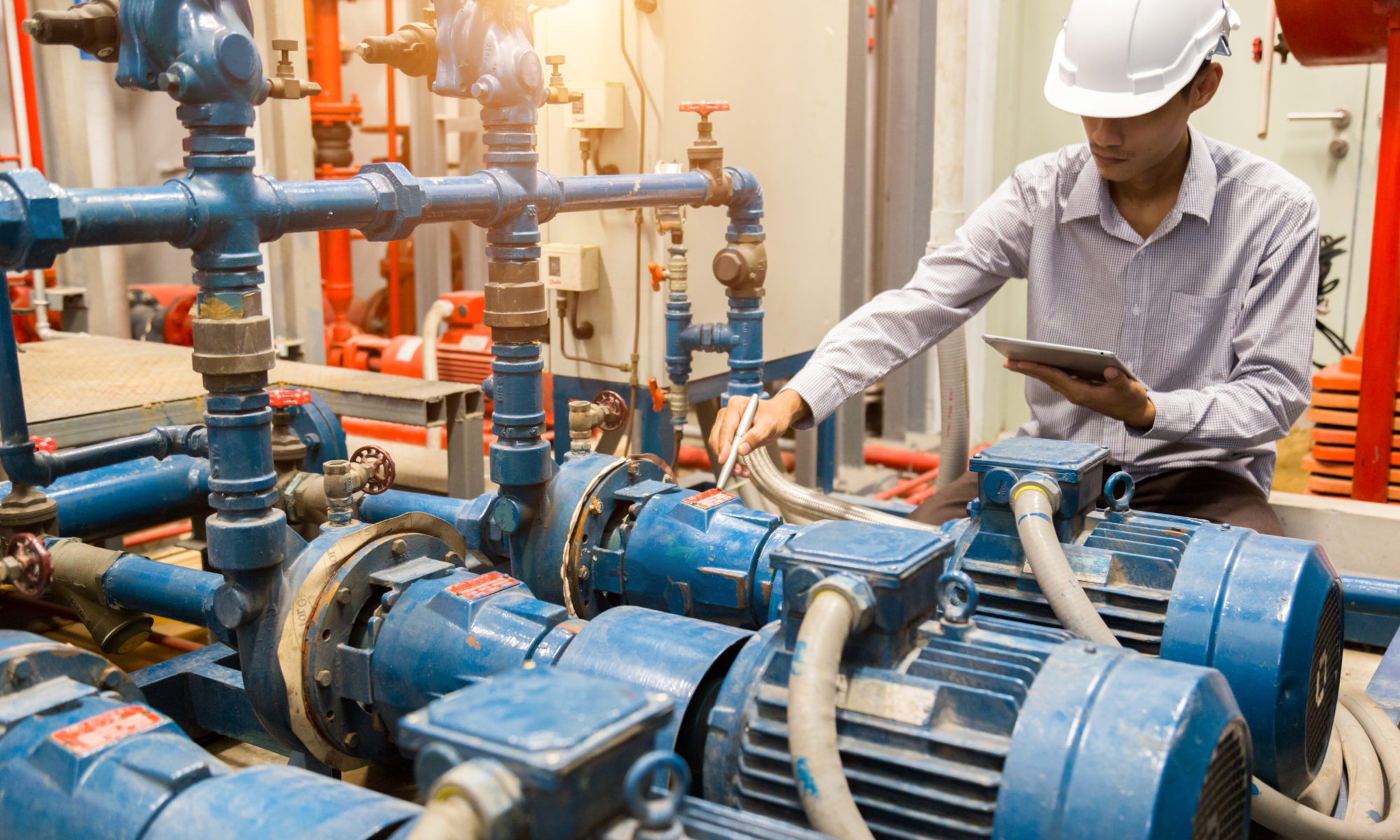
Why Is Maintenance So Important?
Okay, so why bother with all this maintenance stuff anyway? Well, for starters:
- Increased Efficiency: Well-maintained equipment runs more smoothly and efficiently, which saves energy and money. Think of it as your robot running longer on a single charge.
- Reduced Downtime: By preventing breakdowns, maintenance keeps equipment running and avoids costly downtime. No one wants their robot to shut down in the middle of an important mission!
- Improved Safety: Regular maintenance ensures that equipment is safe to operate, protecting workers and preventing accidents. Safety first, always! (Especially around robots).
- Extended Lifespan: Proper maintenance can significantly extend the lifespan of equipment, saving you money in the long run. Keep your robot around for generations to come!
Ultimately, maintenance is all about making things last longer, work better, and stay safer. And who doesn't want that?

So, the next time you see a giant crane lifting something incredibly heavy, or a massive wind turbine generating electricity, remember the unsung heroes of mechanical engineering – the maintenance professionals who work tirelessly behind the scenes to keep everything running smoothly. They’re the reason the world doesn't just grind to a halt! You know, in a rusty, squeaky, and potentially dangerous way.
Keep learning, keep exploring, and who knows, maybe one day you'll be the one designing and maintaining the robots of the future! The possibilities are endless, and the world always needs more engineers who are passionate about keeping things running. And remember, a little maintenance goes a long way – in life, and in engineering! Now go forth and build amazing things (and remember to oil those joints!).