What Is Made Out Of Silicon

Ever stopped to wonder what makes the digital world tick? From the smartphone in your pocket to the massive data centers powering the internet, there's one unassuming element that's truly the unsung hero: silicon. It's not a flashy metal like gold or silver, but without it, our modern lives would be unrecognizable. Getting curious about silicon isn't just a science lesson; it's a dive into the very fabric of our connected existence, and honestly, it's pretty fascinating!
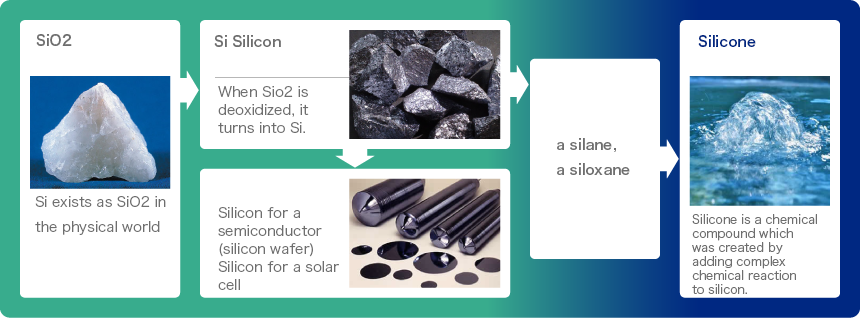
So, what exactly is silicon, and why is it so important? At its core, silicon is the second most abundant element in Earth's crust, right after oxygen. You can find it in sand, quartz, and rocks. But its real superpower emerges when it’s purified and processed into a material known as a semiconductor. Unlike metals that conduct electricity freely, or insulators that block it completely, semiconductors can have their electrical conductivity precisely controlled. This unique property allows us to create tiny on/off switches, logic gates, and memory cells – the fundamental building blocks of every single electronic device.
The benefits are monumental. This controlled conductivity means we can pack billions of these tiny components onto a single silicon chip, enabling incredible processing power in devices that fit in the palm of your hand. It's why our gadgets are so fast, efficient, and capable of complex tasks. Silicon's reliability and relatively low cost, combined with its fantastic semiconducting abilities, have made it the bedrock of the information age. It’s literally the 'brain' material for artificial intelligence, advanced computing, and the internet of things.
Must Read
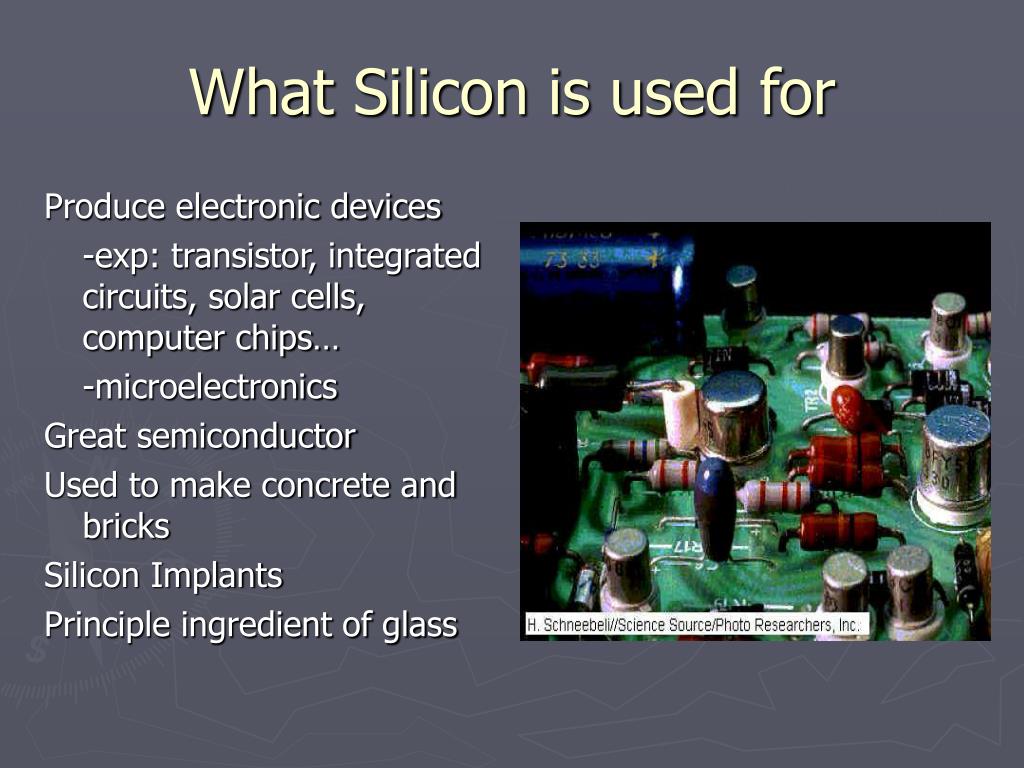
When you start looking, you'll see silicon everywhere. In your daily life, the most obvious examples are the microchips that power your smartphone, laptop, tablet, smart TV, and even your car's navigation system. That big, black rectangular chip inside your computer? That's likely a silicon wafer at its heart. Beyond processing power, silicon is also crucial for renewable energy; solar panels use silicon to convert sunlight directly into electricity. And here's a fun distinction: while electronics use elemental silicon, you've probably encountered silicone – a synthetic polymer made partly from silicon, used in things like flexible baking molds, medical implants, and sealants. So, your spatulas and pacifiers are related to, but distinct from, your phone's processor!
Want to explore silicon a bit more? A simple way is to open up an old, broken electronic device (with adult supervision, of course, and unplugged!) like a remote control or an old toy. You'll often see small, dark, rectangular chips or circuit boards – those are teeming with silicon. You can also dive into online videos that show the incredible process of making microchips, often referred to as 'wafer fabrication.' It’s a mind-boggling journey of precision engineering! Or simply, next time you use any digital device, take a moment to appreciate the silent, tireless work of this amazing element that makes it all possible. It truly is the quiet giant behind our modern world.