What Is Made From Natural Gas
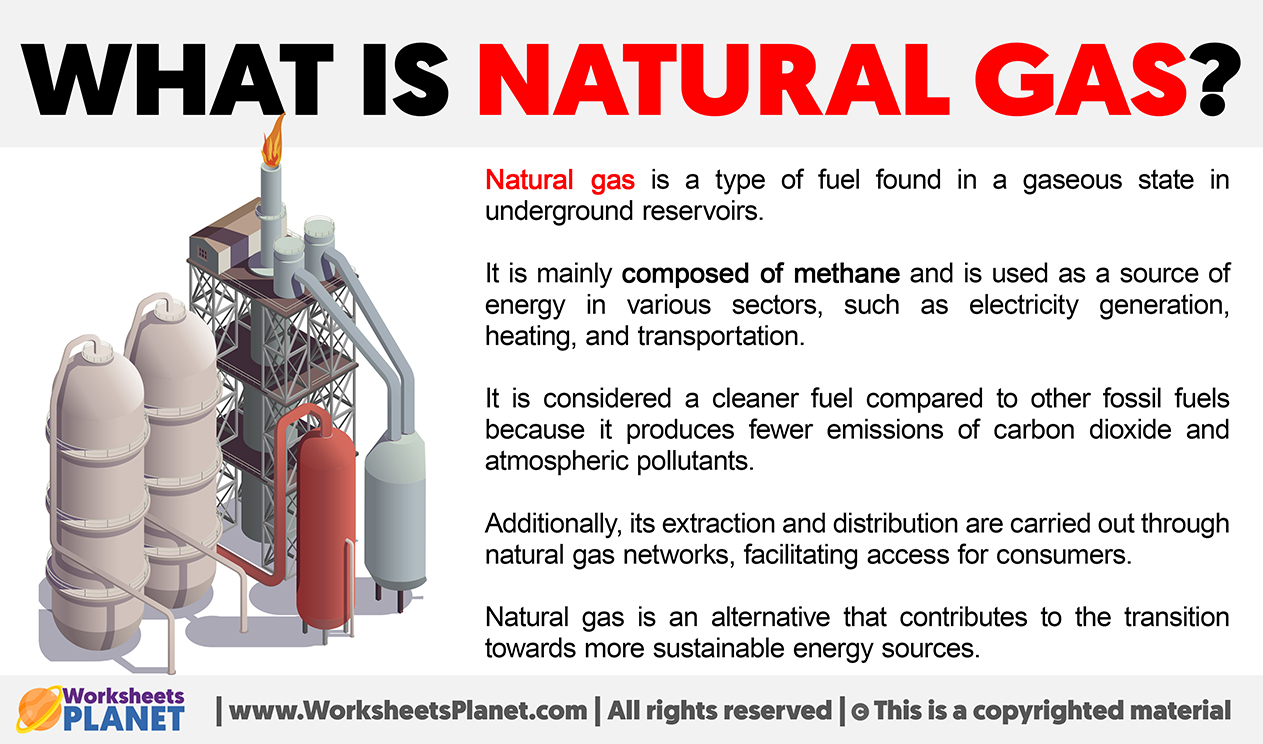
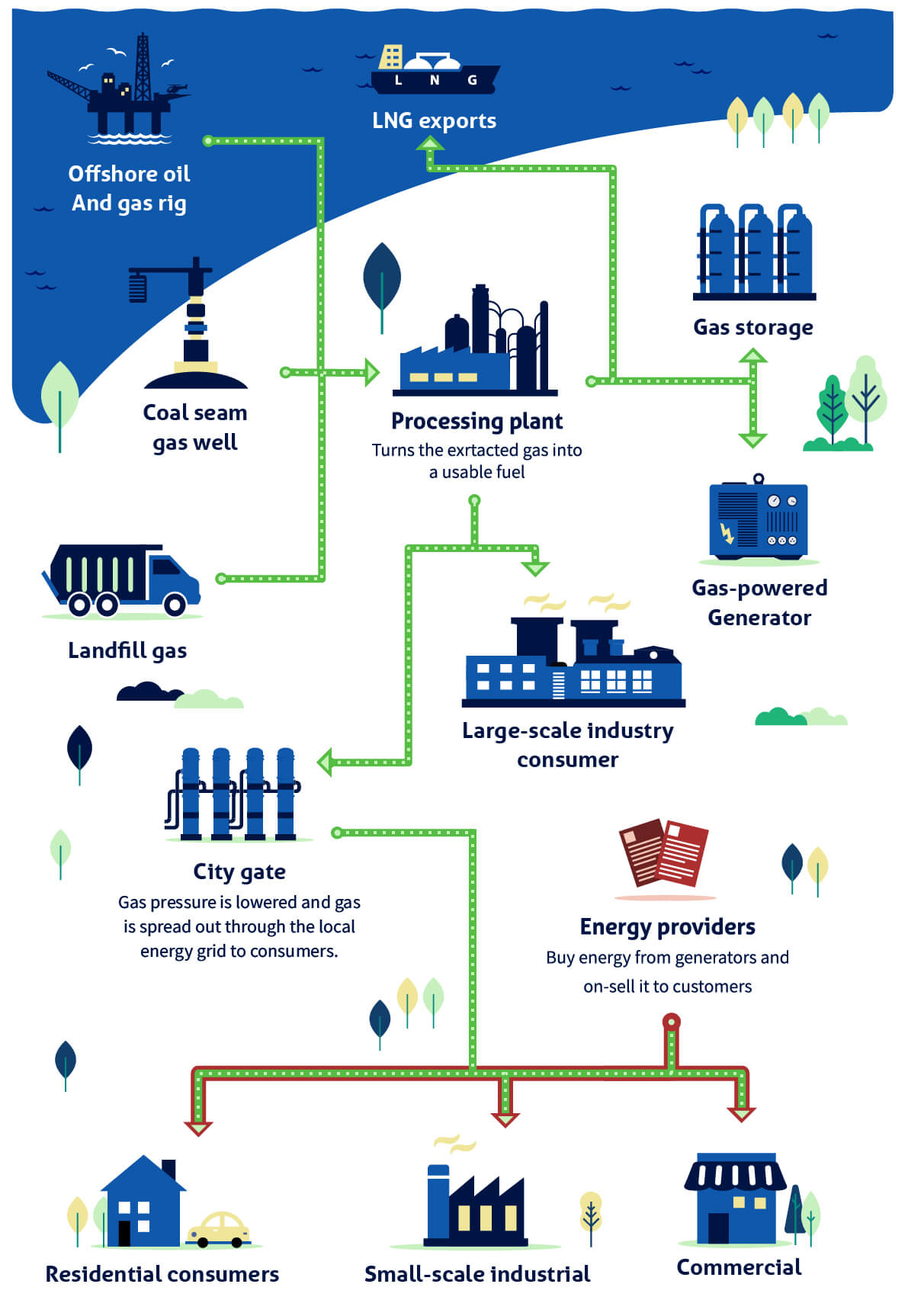
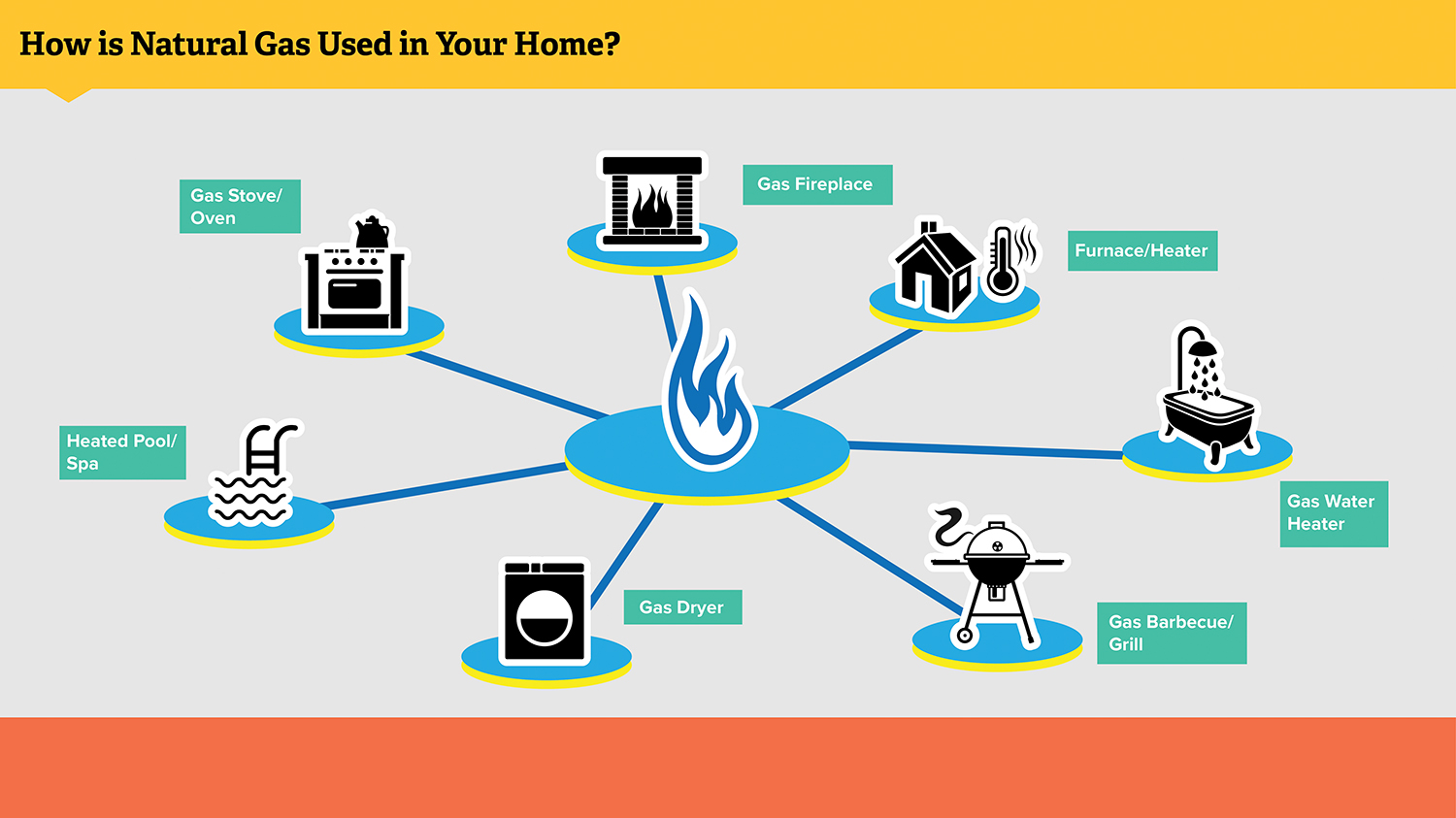
Imagine a quiet superhero, working tirelessly behind the scenes, often unnoticed, but touching almost every part of your day. We’re not talking about a caped crusader, but something far more humble: natural gas. You probably know it for heating your home, warming your shower, or cooking your dinner. But here’s a secret: that’s just its day job. When it takes off its work clothes, natural gas transforms into an incredible array of surprising things, many of which you likely love and use constantly.
Think about it: the very air we breathe is a complex mix, and the energy we use often feels just as mysterious. But what if I told you that the invisible gas flowing through pipes beneath your street might have helped create your favourite gadget, your cozy sweater, or even the food on your plate? It’s true! Natural gas isn't just burned; it's also a fundamental building block, a chemical chameleon that morphs into entirely new substances.
The Magic of Modern Materials
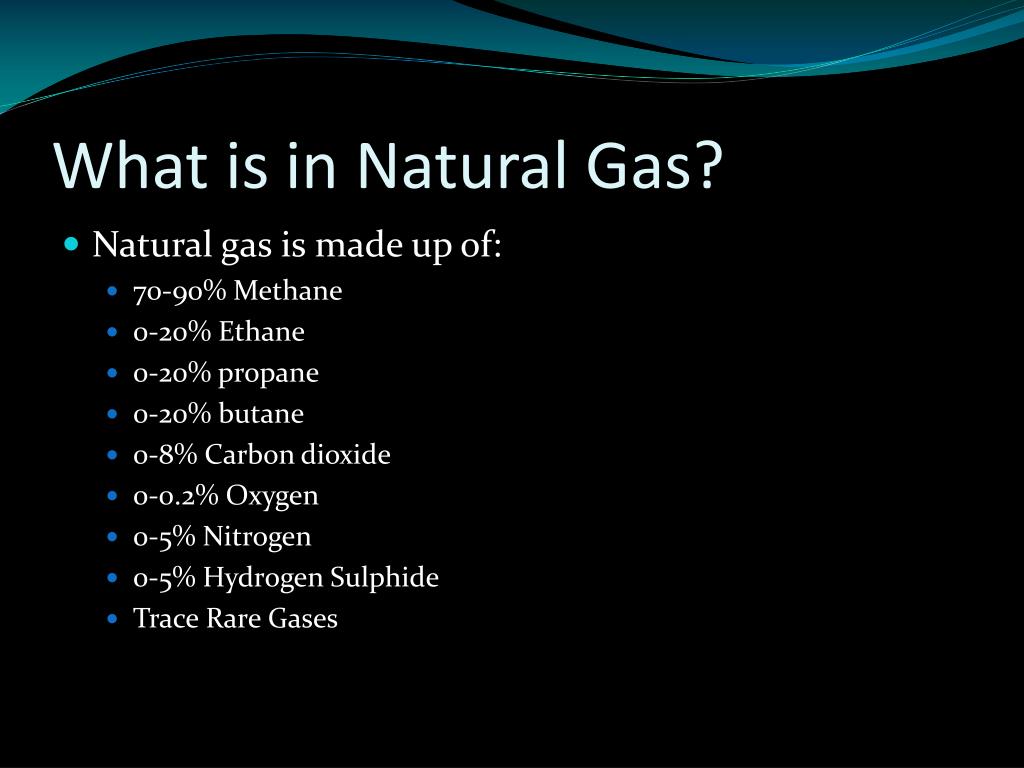
Let's start with something you touch every single day: plastics. Yes, many of the versatile, durable plastics that make up everything from your sturdy kitchen containers to your kids’ colourful toys, and even parts of your car, owe their existence to natural gas. Specifically, a component of natural gas called ethane is cracked (a fancy term for broken down) to create ethylene, the primary ingredient for polyethylene and other plastics. So, that plastic duck floating in the bathtub? Its journey might have started deep underground in a natural gas field!
Must Read
"From tiny Lego bricks to the sturdy pipes that bring water to your home, a whisper of natural gas is often the unsung hero."
It's not just rigid plastics. Think about soft, flexible plastics too. The packaging that keeps your food fresh, the insulation around electrical wires, and even some medical tubing are often derived from natural gas. It’s a bit mind-boggling to think that something clear and gaseous can become something so tangible and varied, isn't it?
Feeding the World, One Grain at a Time
Here’s a heartwarming connection: natural gas plays a vital role in putting food on your table. One of its most significant transformations is into ammonia, which is the key ingredient in fertilizers. Without these fertilizers, our farms couldn't produce nearly as much food as they do, leading to much higher prices and potential shortages. So, the lush green fields of corn, wheat, or potatoes that feed millions? They often get a crucial boost from natural gas-derived nutrients.
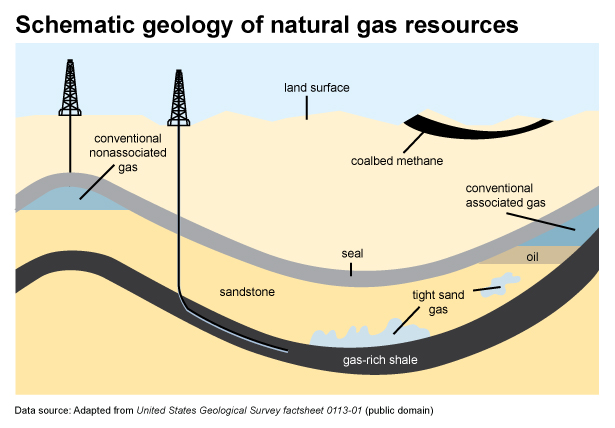
Imagine a farmer gazing at a bountiful harvest, knowing that the soil's richness was enhanced, in part, by a quiet process powered by natural gas. It’s a profound link between a fossil fuel and the sustenance of life itself, helping plants grow stronger, yield more, and ultimately nourishing families around the globe.
Beyond the Obvious: From Clothes to Cars
Did you know your wardrobe might have a surprising connection to natural gas? Many synthetic fabrics, like polyester, which makes up everything from your athletic wear to your plush fleece blankets, are derived from petrochemicals, which can trace their lineage back to natural gas (and oil). So, that wonderfully warm, quick-drying jacket you love for chilly mornings? It might have a little natural gas in its DNA!
And let’s talk about your car. Beyond the fuel (though some cars run on natural gas directly!), natural gas derivatives are in countless components. The sturdy dashboards, the comfortable seat coverings, the resilient tires (thanks to carbon black, often produced from natural gas), and even the paints that give your car its sleek finish – many of these incorporate materials originally sourced from this versatile gas. It’s truly a building block for modern mobility.
Even things you might not expect, like adhesives (glue!), some types of paint, and various industrial chemicals used in manufacturing everything from pharmaceuticals to electronics, leverage the unique properties of natural gas components. It’s a silent partner in innovation, helping engineers and designers create the world around us.
The Future and a Hidden Hero
Natural gas even plays a role in cutting-edge advancements. It's a primary source for producing hydrogen, which is seen as a clean energy carrier for the future, powering fuel cells and potentially zero-emission vehicles. So, in a strange twist, this traditional energy source is helping pave the way for cleaner technologies yet to come.
The next time you turn on your stove, put away your groceries in a plastic container, or simply enjoy a delicious meal, take a moment to appreciate the humble natural gas. It’s not just fuel; it’s a hidden hero, a master of disguise, working diligently to create the materials, products, and even the food that make our lives easier, more comfortable, and undeniably more fun. Who knew an invisible gas could be so utterly vital and wonderfully surprising?