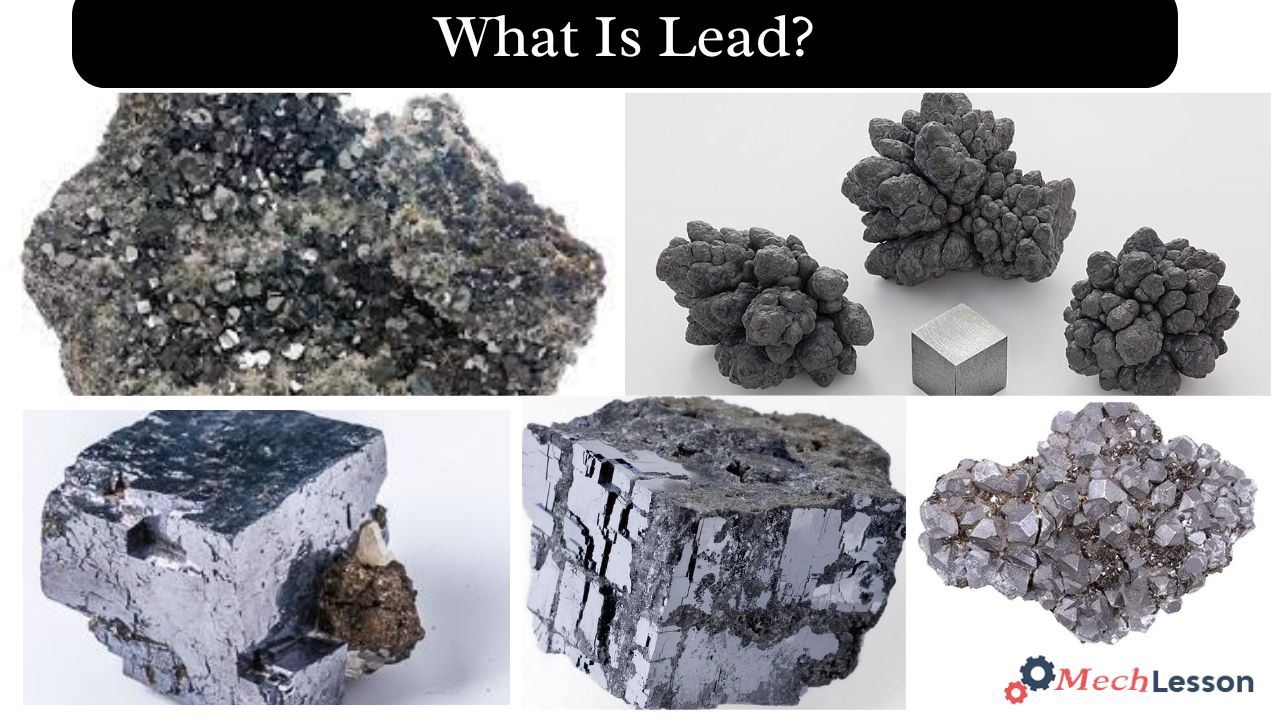
What Is Lead Used For Today
Ever paused to think about lead? For many of us, it conjures up images of old paint chips, dusty pipes, or maybe those pencils we used in school (fun fact: those are actually graphite, not lead!). It often feels like a relic from the past, something we've thankfully moved away from. And in many ways, that's true! We’ve gotten smarter about keeping lead out of things like our gasoline and household paints because, let's be honest, it’s not exactly a superfood for our brains.
But here's a little secret: lead is still very much a part of our modern world. It's not lurking in your cereal box, don't worry! Instead, it’s working hard behind the scenes, playing a few crucial roles that might just surprise you. Think of it as that quiet, reliable friend who always shows up when you need them, but rarely hogs the spotlight.
The Mighty, Unsung Hero: Your Car Battery
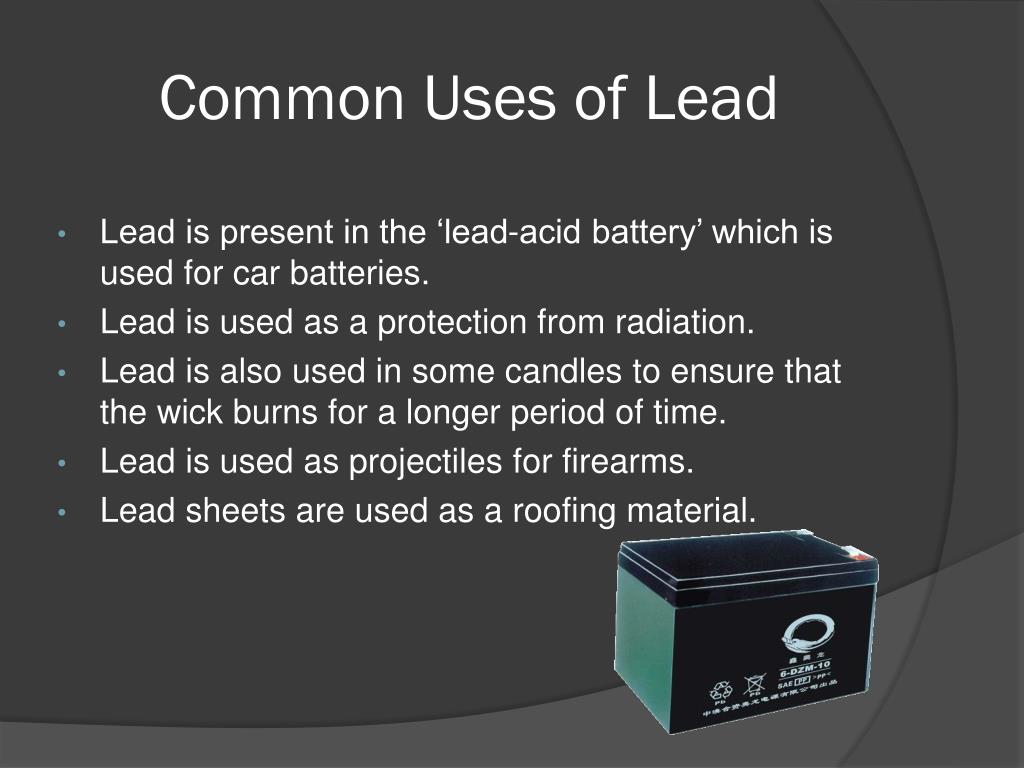
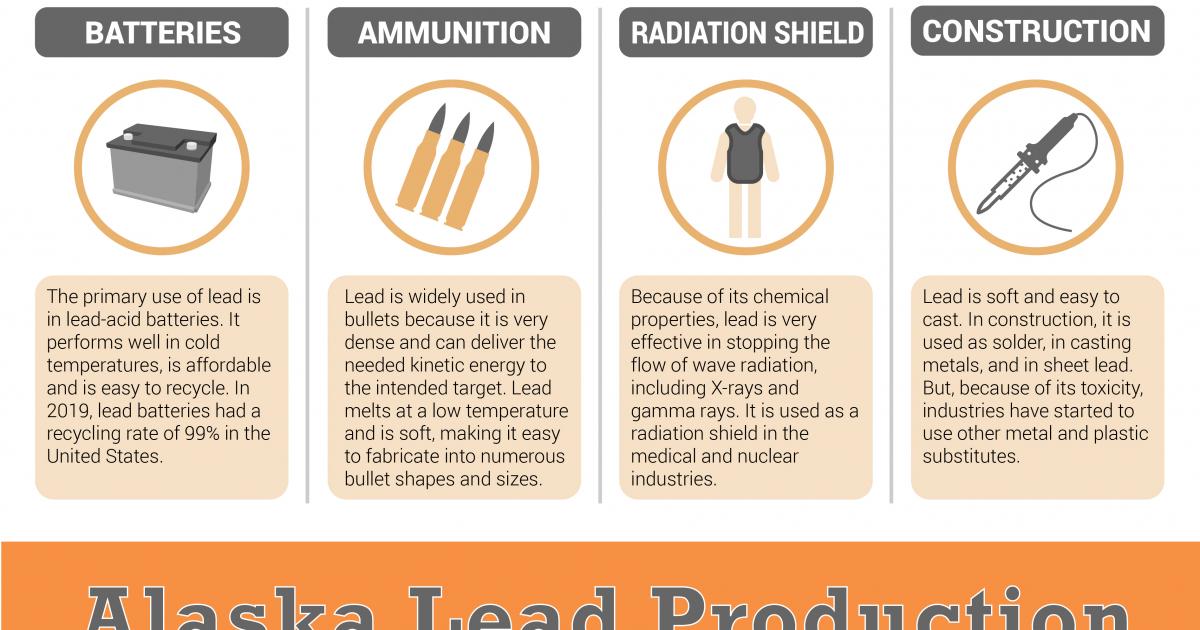
Hands down, the biggest job lead has today is in your car battery. Yep, that magic box under the hood that gets you rolling every morning? That’s almost certainly a lead-acid battery. It’s like the little energizer bunny for your vehicle, powering everything from the starter motor to your radio tunes. And it’s not just cars – think golf carts, motorcycles, and even those hefty backup power systems for hospitals or cell towers.
Must Read
Why lead? Well, it’s surprisingly good at storing and releasing electrical energy reliably. It’s also relatively inexpensive and, here’s a big one, incredibly recyclable. More on that feel-good fact in a bit!
Shielding the Invisible Zaps: Radiation Protection
Ever had an X-ray at the dentist or doctor's office? Remember the heavy apron they draped over you? That’s often made with lead! It's fantastic at blocking radiation, making it the ultimate superhero shield against invisible, zappy rays. You’ll find lead in the walls of X-ray rooms, in certain medical equipment, and even in nuclear power plants, keeping everyone safe from harmful emissions. It’s like the ultimate bodyguard for your insides!
Keeping Things Steady: Weights and Ballasts
Lead is dense. Super dense! That makes it fantastic for adding weight in specific places. Think about the keel of a sailboat – that heavy bottom part that keeps it upright and stable, even in choppy waters. Often, there’s lead down there, acting like a trusty anchor. You might also find it in certain industrial weights or counterweights, making sure things balance out just right. It's the silent force that keeps things from wobbling!
A Few Other Niche Spots: Ammunition and More
While many types of ammunition are moving towards lead-free alternatives, lead is still a common component in bullets and shot for sporting and hunting. Its density helps projectiles fly straight and true. Less common now, but still present in some specialized applications, you might also find lead used for vibration damping, where its softness helps absorb shocks, or in certain types of stained glass where it holds the pieces together.

Why Should You Care? Here's the Fun Part!
Okay, so lead isn't just an old-timey villain. It's got its modern gigs. But why should you give it a second thought?
First, and this is a biggie: Recycling! Remember those car batteries? Lead-acid batteries are one of the most successfully recycled products on the planet. We're talking a recycling rate of over 99% in many countries! When your old car battery conks out, it’s not just tossed in a landfill (or at least, it shouldn’t be!). It gets collected, broken down, and the lead is reused to make new batteries. It’s like a phoenix rising from the ashes, over and over again! So, the next time your mechanic swaps out your car battery, know that you're part of a pretty incredible recycling loop.

Second, awareness is power. Knowing where lead is still used helps us appreciate why proper handling and disposal are so critical. We moved away from lead in paint and gasoline because we understood its dangers when it gets into our environment or bodies. For its current uses – like in batteries or radiation shielding – it's designed to be contained and managed safely. So, understanding its role means understanding why we need to keep those systems working well and dispose of old lead products responsibly.
Think of it this way: lead is a bit like a powerful friend who needs to be handled with care. It does important jobs, but we also need to make sure it stays in its designated workspace, away from our lunch plates!
So, the next time you hop in your car, or walk past an X-ray sign, give a little nod to lead. It’s quietly powering your journey and protecting you, proving that even a material with a tricky past can find a way to be a vital, albeit responsibly managed, part of our present.