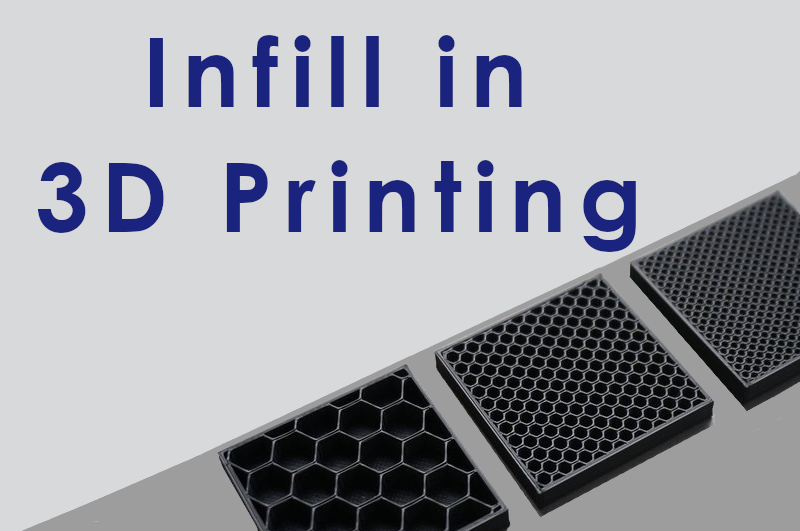
What Is Infill In 3d Printing
So, you’ve seen a 3D printer in action. It’s like magic, right? A silent wizard turning goop into glorious, tangible objects. A little plastic frog! A surprisingly sturdy phone stand! The future, right there on your desk, layer by fascinating layer. But let’s be honest, you probably think your printer is just building a solid, chunky piece of plastic. You imagine it's like sculpting clay, just... digital and precise. Well, buckle up, buttercup, because I’m about to drop a truth bomb that might just rattle your perfectly printed world. And don't worry, it's a fun truth bomb, one that invites you to nod along with my slightly unpopular opinion.
What is Infill? The Inside Story (Literally!)
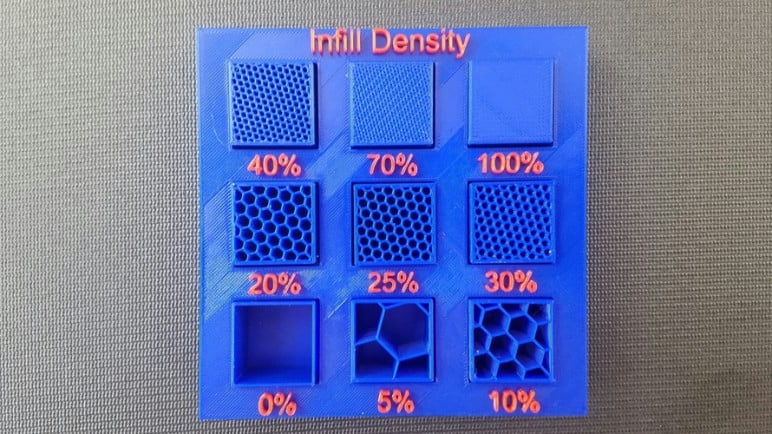
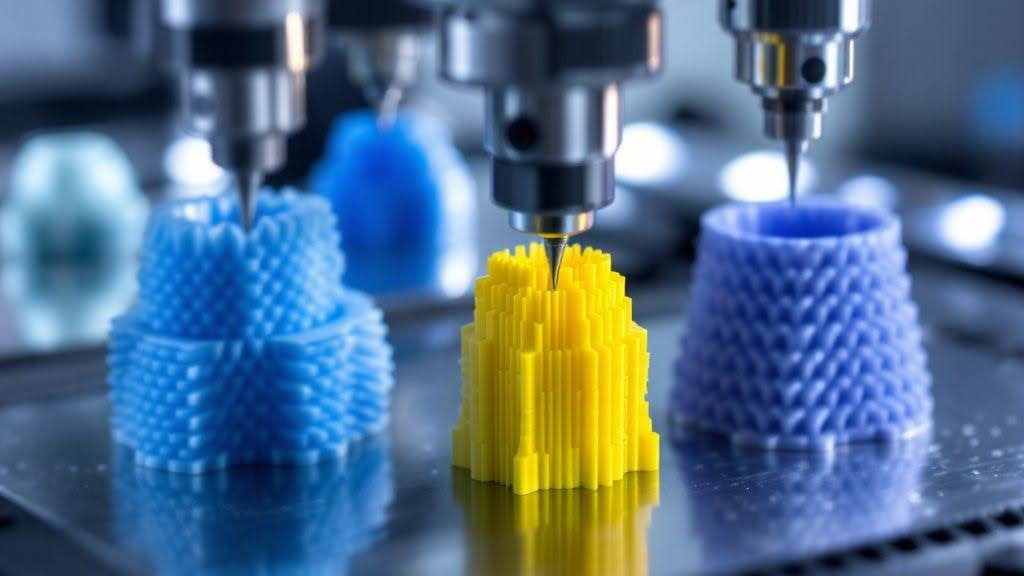
When you hold that cool new 3D printed widget, it feels solid, doesn't it? Firm, robust, ready to tackle whatever task you assign it. But here’s the secret: most of the time, what you’re holding isn’t actually solid all the way through. Nope! It’s got a hidden life, a secret inner world. We call this mysterious internal structure infill. Think of it like a crunchy chocolate bar. It looks like a solid block of deliciousness from the outside, but bite into it, and you find a honeycomb of crispy goodness. Or maybe a sturdy brick house – it looks solid, but inside, there's a frame and then empty space for insulation. Infill is the 3D printer's equivalent of that internal structure, that hidden framework that gives your print its strength without making it a hefty, solid chunk.
"It’s got a hidden life, a secret inner world. We call this mysterious internal structure infill."
Why Do We Even Have This "Infill" Shenanigan?
Now, you might be thinking, "Why the trickery? Why not just print it solid? Is my 3D printer a secret agent of flimsiness?" Good questions, astute reader! The truth is, there are some very sensible, albeit perhaps slightly less glamorous, reasons for this internal lattice work. First off, printing everything solid would take ages. Seriously, you’d be waiting longer than for your internet provider to show up. And secondly, it would use an insane amount of plastic. Your spools of filament would vanish faster than cookies at a kids' party. So, infill is the clever compromise. It gives your print enough structural integrity to be useful, but saves time and precious material. It's like building a bridge with a strong truss system instead of one giant, solid beam. Smart, right? But still, a bit of a whisper-secret, wouldn't you say?
The Wild World of Infill Patterns
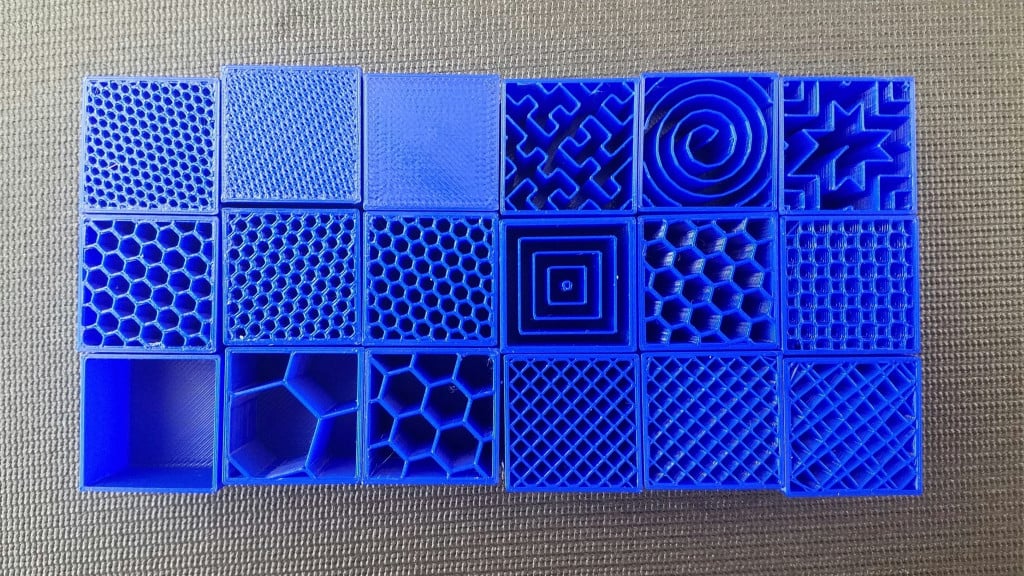
And if you think infill is just one boring type of criss-cross, oh honey, you are mistaken! Engineers, bless their complex little hearts, have come up with a whole menagerie of patterns. We've got the humble grid, the intricate honeycomb (just like the bees make!), and the surprisingly efficient lightning pattern. There's even gyroid, which sounds like a villain from a sci-fi movie but is actually a very cool, curvy, 3D pattern. Each pattern offers a different balance of strength, print time, and material usage. Some are great for general use, others for super strong parts, and some for things that just need a bit of support without being too heavy. It's like a secret menu for your print's insides! You pick the internal architecture without ever seeing it. Sneaky, but effective!
My "Unpopular Opinion": Infill is a Confession!
Alright, here it comes, my slightly cheeky, definitely unpopular opinion. I think infill is secretly the 3D printing world’s quiet admission that they can't actually print a solid object as efficiently as they’d like. It’s like when you bake a giant cake and realize you need to put a bunch of toothpicks inside to keep it from collapsing. Or when you wrap a small gift in a huge box with tons of tissue paper to make it feel more substantial. Infill is the industrial version of that tissue paper! It’s the ingenious workaround, the "we're not really printing a solid block, but we'll make it feel like one" solution. It's a testament to human ingenuity, sure, but also a playful wink that says, "We're getting there, but for now, let's just fill it with some smart air!"
"I think infill is secretly the 3D printing world’s quiet admission that they can't actually print a solid object as efficiently as they’d like."
So, What's the Takeaway?
Next time you pick up a 3D printed object, give it a little appreciative squeeze. Marvel at its outer perfection, but also spare a thought for its hidden depths. For the invisible scaffolding, the silent support system, the ingenious trickery that is infill. It’s what makes your prints strong, light, and economical. It’s the unsung hero, the secret sauce, the internal skeleton. And while I might playfully suggest it’s a bit of a clever dodge, there’s no denying its brilliance. It allows us to create incredible things without breaking the bank or waiting until the next Ice Age. So, hats off to infill – the not-so-solid truth behind every amazing 3D print!