
What Is Highest Seer Rating For Air Conditioners

Okay, picture this: it’s July. You’re in Florida. The air outside feels like stepping into a lukewarm bowl of soup. My friend Dave, bless his sweaty heart, decides this is the PERFECT day to try and fix his ancient AC unit himself. Long story short, after three hours, a lot of cursing, and one minor electrical fire (don’t worry, everyone's fine!), he gave up and called a professional. Turns out, his AC was so old, it probably had a SEER rating of, like, 2. (Okay, maybe I'm exaggerating, but you get the idea.) Which got me thinking – what even IS a good SEER rating these days? And what’s the highest you can actually get?
So, let's dive into the world of air conditioner efficiency, shall we?
What Exactly is SEER, Anyway?
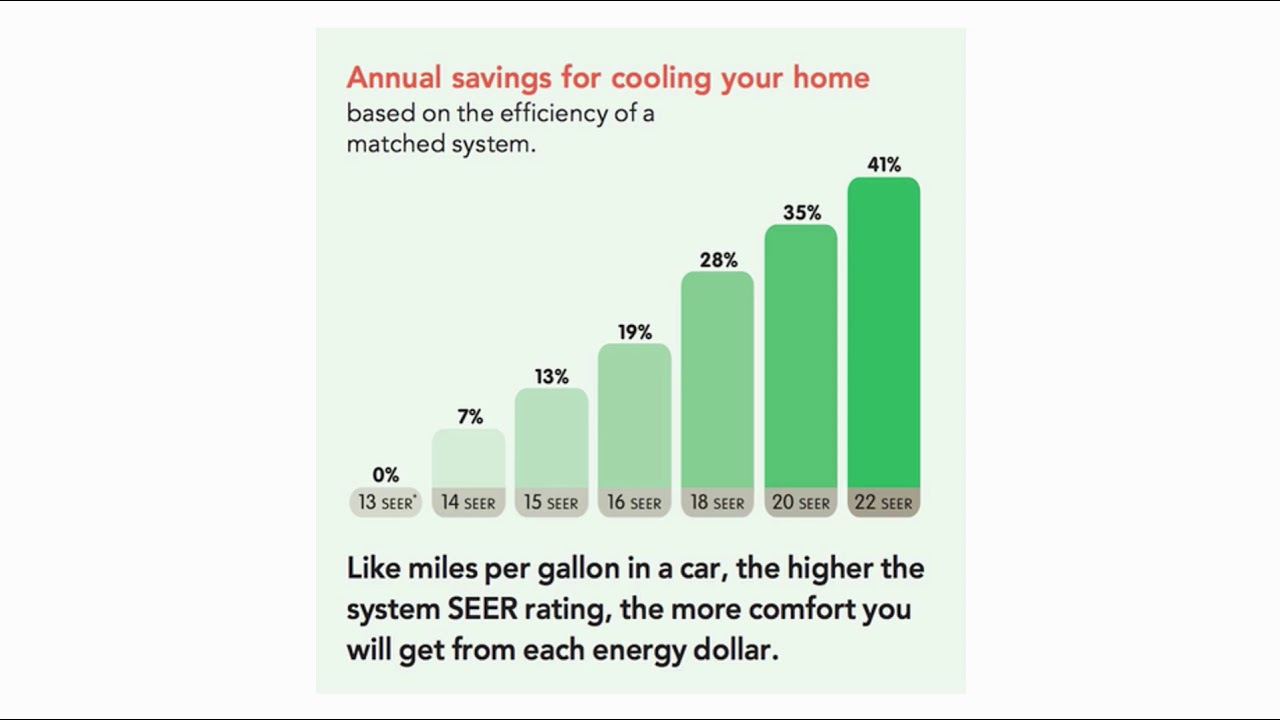
SEER stands for Seasonal Energy Efficiency Ratio. Basically, it's a measure of how efficiently an air conditioner can cool your home over an entire cooling season. Think of it like MPG for your car, but for your AC. The higher the SEER rating, the more efficient the unit is, and the less it costs to run. (Cha-ching!)
Must Read
A higher SEER rating means your AC uses less electricity to produce the same amount of cooling. And that translates to lower energy bills. Which, let’s be honest, is something we all want, right?
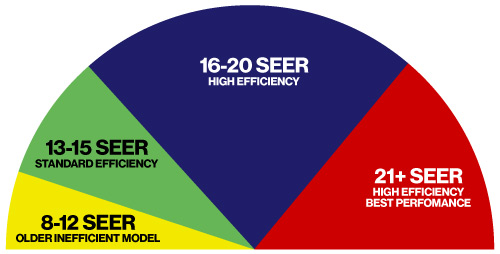
So, what’s a good SEER rating? Well, legally, in the United States, new air conditioners must have a SEER rating of at least 14 in the southern states and 13 in the northern states (due to varying climate conditions). But "good" is subjective. It depends on your budget, your climate, and how long you plan to stay in your current home.
The Quest for the Highest SEER
Okay, let's get to the juicy part. What’s the absolute highest SEER rating you can find on an air conditioner these days?
The answer is…drumroll please…around 28 SEER.
Yes, you read that right. Twenty-eight! But before you run out and buy one, there are a few things to consider.
First, these ultra-high SEER units are typically ductless mini-split systems. While they're fantastic for cooling specific rooms or areas, they might not be the best (or most cost-effective) choice for cooling an entire house, especially if you already have ductwork.
(Side note: Mini-splits are seriously amazing for additions or spaces that are hard to cool. Just saying.)

Second, they come with a hefty price tag. A unit with a SEER of 28 is going to cost significantly more upfront than a unit with a SEER of, say, 16 or 18. You need to calculate whether the energy savings over the lifespan of the unit will actually offset the higher initial cost. It's all about doing the math, people!
Third, installation is key. Even the most efficient AC unit won't perform well if it's not installed correctly. Make sure you hire a qualified HVAC professional to install your new system. Don't let Uncle Joe, who claims to be a handyman, install it for you. Trust me on this one.

So, Should You Go for the Highest SEER?
That's the million-dollar question (or, more accurately, the several-thousand-dollar question). There's no one-size-fits-all answer. Here’s what to consider:
- Your Climate: If you live in a scorching hot climate and run your AC constantly, a higher SEER rating will likely pay off in the long run.
- Your Budget: Can you afford the upfront cost of a high-SEER unit?
- Your Home's Insulation: Good insulation helps your AC work less hard, regardless of its SEER rating. Make sure your home is properly insulated before investing in a new AC unit.
- How Long You Plan to Stay in Your Home: If you're planning to move in a year or two, a high-SEER unit might not be worth the investment.
Ultimately, the best SEER rating for you is the one that balances energy efficiency, upfront cost, and long-term savings. Do your research, get quotes from multiple HVAC professionals, and choose the unit that best fits your needs and your budget.
And maybe, just maybe, save yourself (and your friends) from any potential electrical fires. Okay, Dave?