
What Is High Hours On A Boat

Ever been scrolling through boat listings, dreaming of salty air and open water, when you hit a snag? You see an amazing deal, but then your eyes land on the engine hours, and a little voice in your head whispers, "Is that... a lot?" Ah, my friend, you've just bumped into the mystery of "high hours on a boat."
Don't sweat it! It's a common head-scratcher. And guess what? It's not always the scary monster under the bed that some folks make it out to be. Let's untangle this nautical knot together, with a few laughs along the way, shall we?
First things first: What are "hours" anyway?
Okay, this might seem obvious, but it's the foundation of our whole chat. Unlike your car, which racks up miles (or kilometers, if you're fancy), a boat's engine has an hour meter. This little counter simply ticks up every single time the engine is running. Think of it like a stopwatch for your motor's life. Simple, right? But oh, the implications!
Must Read
So, a boat with 500 hours has had its engine running for a total of 500 hours. Easy peasy lemon squeezy.
So, what is "high hours"? (The million-dollar question!)
Now, this is where it gets a bit like trying to herd cats – there's no single, universally agreed-upon number. It really depends. But let's try to give you a rough compass heading:

- For many outboard engines (the ones that hang off the back, like a marine backpack!), anything over 300-500 hours for a boat that's a few years old might start nudging into the "moderately high" category. For a 10-year-old outboard, 800-1000 hours isn't uncommon, and can still have plenty of life left.
- For larger inboard engines (the ones tucked away inside the boat), these beasts are often built for more heavy-duty use. So, 1000-2000 hours could be considered typical for an older boat, and some well-maintained diesels can easily clock 5000+ hours! Think of them as the workhorses of the sea.
See? It's not just one number! It's a spectrum, a bit like trying to define "tall" – a 6-foot-tall kindergartener is certainly "tall," but a 6-foot-tall basketball player? Not so much.
Why do hours matter?
In a nutshell, engine hours give you a general idea of how much wear and tear an engine has potentially endured. More hours could mean more parts nearing the end of their lifespan, like pumps, alternators, or even internal engine components. But – and this is a big BUT – it's just one piece of the puzzle!

Is "high hours" always a bad thing? (Spoiler: NO!)
This is where we bust some myths! Many people hear "high hours" and instantly picture an old, sputtering jalopy. But that's often far from the truth. In fact, a boat with consistently used high hours can sometimes be a better bet than a boat that's been sitting in the dock for years with very few hours.
Think about it: an engine that sits idle for extended periods can develop its own nasty problems. Seals can dry out, fuel can go stale (turning into a gross, sludgy varnish!), and things can simply seize up from lack of movement. It's like a person who sits on the couch all day versus someone who walks regularly – the regular walker is probably in better overall shape!
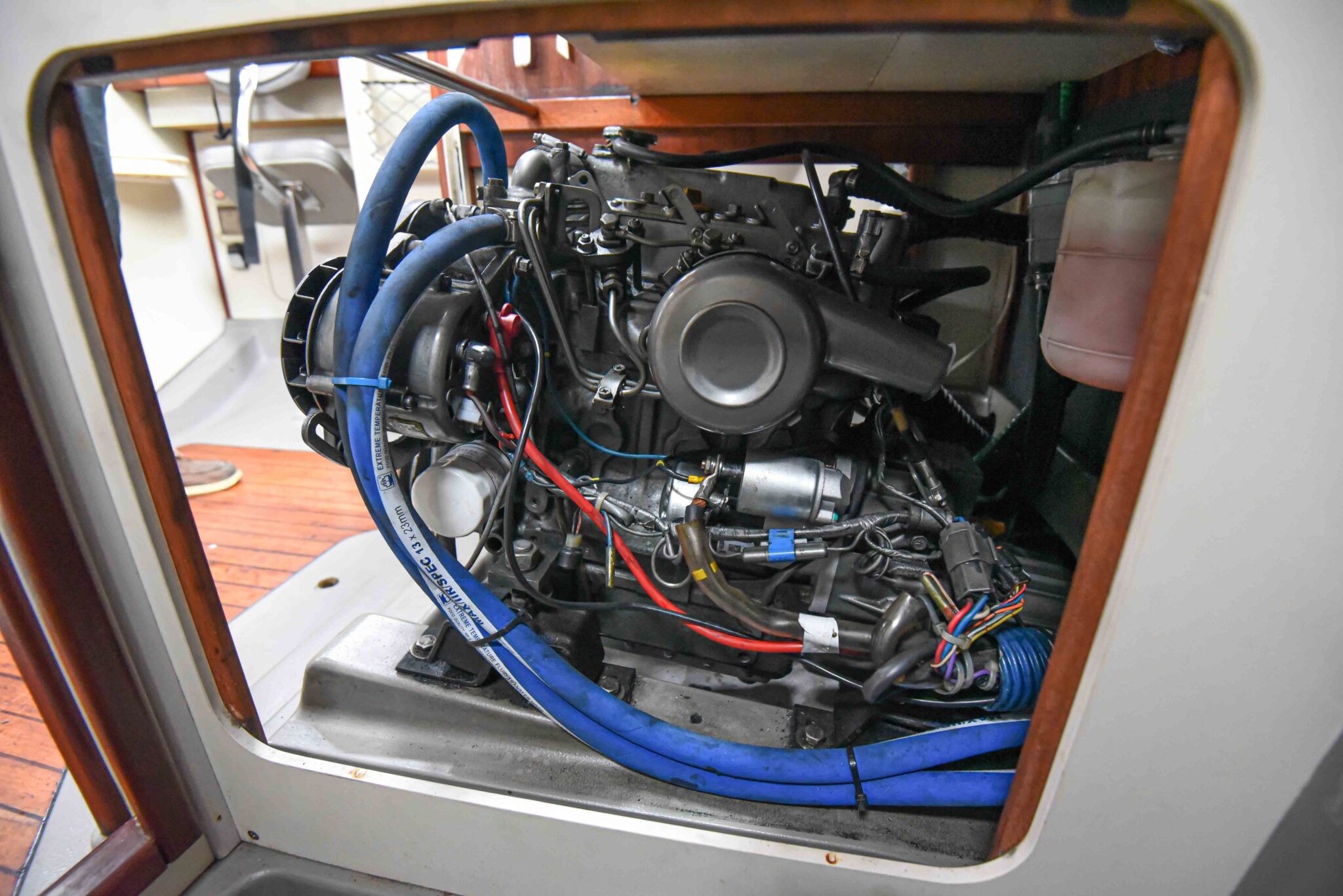
A high-hour boat often means it was used and, crucially, likely well-maintained to keep it running. Nobody wants their pride and joy to conk out mid-ocean, right?
The REAL secret sauce: Maintenance, maintenance, maintenance!
If you take one thing away from our little chat today, let it be this: Maintenance trumps hours, every single time. A boat with 1500 hours that has a meticulously documented service history – every oil change, every filter swap, every impeller replacement noted down – is often a far, far better investment than a boat with 300 hours that looks like it's been neglected and forgotten.

It’s like comparing a car with 200,000 miles that has all its service records from a trusted mechanic to a car with 50,000 miles that’s never seen an oil change. Which one would you rather drive?
What to look for if you're eyeing a "high-hour" beauty:
- Maintenance Records (Did I mention this already?): This is your holy grail. Ask for every receipt, every logbook entry. If the owner has them, it’s a huge green flag.
- Professional Survey and Engine Inspection: Don't skip this! A qualified marine surveyor and an engine mechanic can tell you the true story of the boat's health, regardless of the hours. They'll perform things like a compression test (checking the engine's internal health) and look for signs of wear and tear.
- Overall Condition: Does the rest of the boat look loved? A clean bilge, tidy wiring, and well-kept upholstery often indicate an owner who cared about the whole package.
- Your Gut Feeling: Seriously! Sometimes you just get a vibe.
The happy ending!
So, the next time you see "high hours" on a boat listing, don't immediately sail away! Instead, think of it as a boat that's lived a full, exciting life, perhaps explored countless coves, pulled endless tubes, or gracefully cruised through many sunsets. It's got stories to tell!
With a little bit of detective work and a good professional opinion, a high-hour boat can be an incredibly smart and rewarding purchase. You might just snag a fantastic deal on a seasoned adventurer, ready for its next chapter with you at the helm. So go forth, intrepid boater, and may your high-hour discoveries bring you endless joy and smooth sailing!