
What Is Heat And Thermal Energy
Have you ever snuggled under a warm blanket, or felt the glorious heat of the sun on your skin after a long winter? That wonderful feeling, that cozy sensation, is all thanks to something truly fundamental: heat and thermal energy. It’s not just a feeling; it’s an invisible dance happening all around us, all the time.
Imagine a secret party happening everywhere, even in things that seem perfectly still. Everything in our universe, from the majestic mountains to the tiniest speck of dust, is made of incredibly small bits called atoms and molecules. These tiny particles are never truly at rest; they're constantly jiggling, wiggling, and zipping around.
This constant motion of particles is what scientists call kinetic energy. Think of them as energetic little dancers, always moving to an invisible beat. The more vigorously these particles dance and move, the more kinetic energy they possess.
Must Read
And here's the fun part: when we talk about heat, we're really talking about how much these tiny dancers are moving! Thermal energy is simply the total energy from all this movement within an object. It's the grand sum of all those microscopic wiggles and jiggles.
The Difference Between Heat and Temperature: A Quick Party Analogy
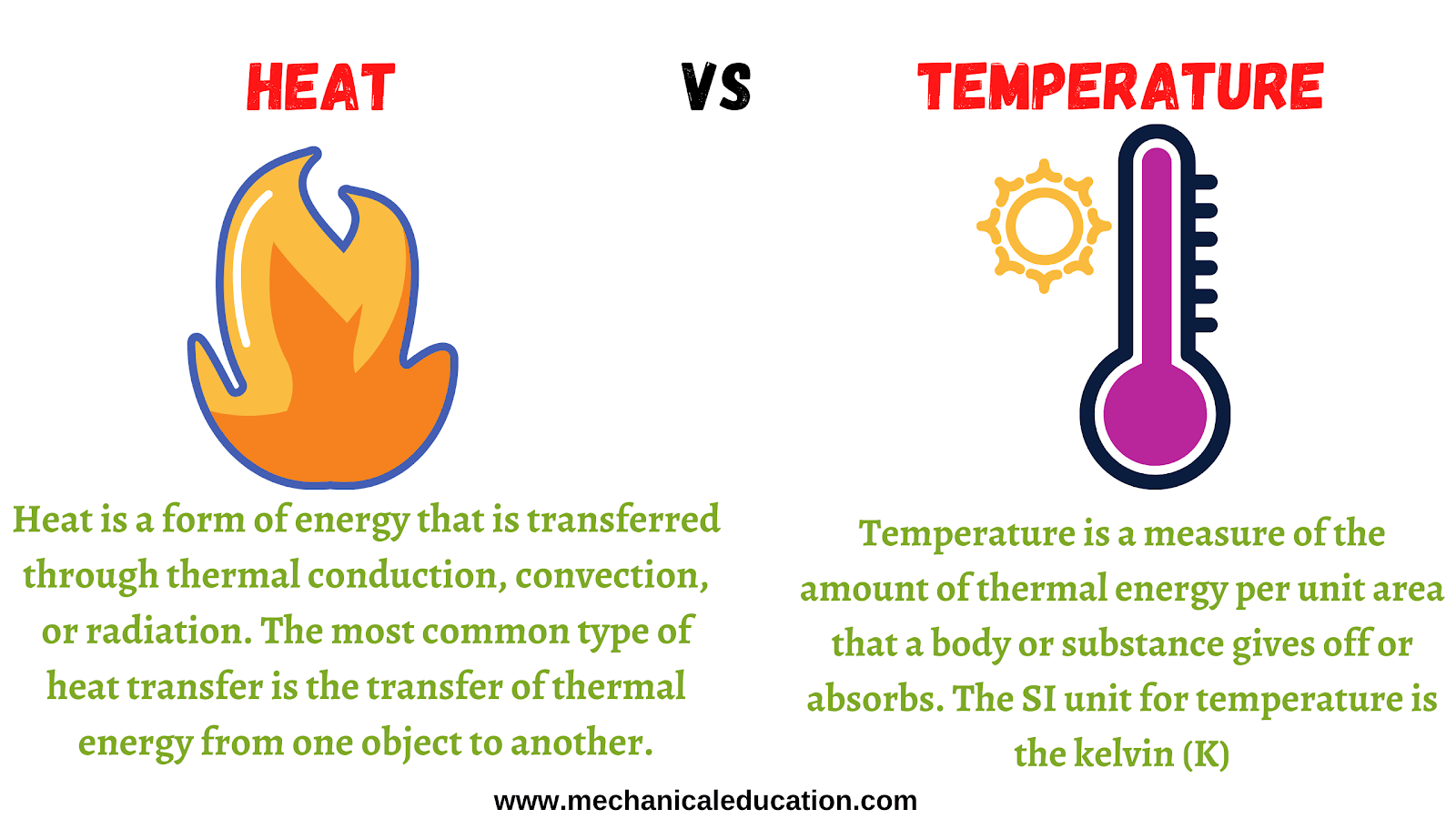
Sometimes people get heat and temperature a little mixed up. Think of it like this: temperature is a way to measure the average energy of a single dancer. If everyone in a room is doing a very energetic solo dance, that's high temperature.
But heat, or thermal energy, is the total energy of all the dancers in the entire room. A tiny room with five super-energetic dancers might have a high temperature. However, a huge ballroom filled with a thousand people doing a slow, gentle sway could have much more total thermal energy, even if their individual average energy (temperature) is lower.
So, a tiny spark can be incredibly hot (high temperature), but a massive iceberg, despite being cold, holds an immense amount of thermal energy because it has so many jiggling water molecules. This distinction helps us understand the true power of thermal energy.

How Thermal Energy Travels: The Great Movers of Warmth
One of the coolest things about thermal energy is its ability to travel! It doesn't just sit there; it loves to move around and spread the warmth. There are three main ways it does this, and you see them every single day.
1. Conduction: The "Hot Potato" Game
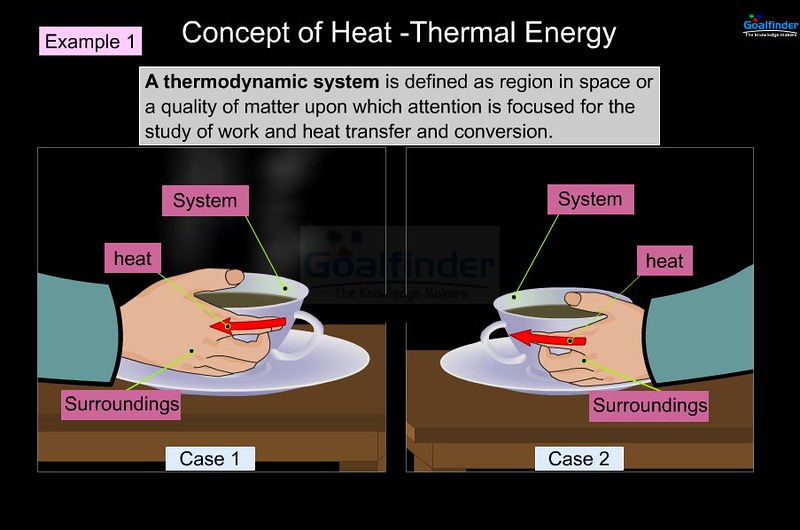
Imagine a line of people passing a hot potato from hand to hand. That's a bit like conduction! When you touch a hot stove, the fast-jiggling particles of the stove directly bump into the slower-jiggling particles in your hand. This transfers energy, making your hand's particles jiggle faster, and you feel the burn!
This is why a metal spoon heats up quickly in a hot cup of tea. The energetic tea molecules bash into the spoon's molecules, which then bash into their neighbors, passing the energy along. It's a direct, contact-based transfer of kinetic energy, a true chain reaction of jiggles.
"Conduction is the original 'pass the energy' game, no middleman required!"
2. Convection: The "Warm Hug" of Fluids
Next up is convection, which mainly happens in liquids and gases – things that can flow. Think about a pot of boiling water. The water at the bottom gets hot, its particles speed up, spread out, and become less dense. This lighter, warmer water rises.
As the warm water rises, cooler, denser water sinks to take its place at the bottom, where it then gets heated up. This creates a continuous circular current, effectively moving heat throughout the entire pot. It's like a natural thermal conveyor belt, constantly distributing warmth.
You feel convection when you stand above a radiator or a campfire. The warm air rises, carrying heat directly to you. Even huge weather systems, like winds and ocean currents, are driven by massive convection cells. It’s truly nature's way of giving things a warm hug.
3. Radiation: The "Sunbeam Delivery Service"
Finally, there's radiation, the most mysterious and magical of the bunch. This is how the sun's warmth travels through the vast emptiness of space to reach us. It doesn't need particles or contact; it travels as electromagnetic waves, like light or radio waves.
When these energy waves hit an object, their energy is absorbed, causing the particles in that object to jiggle faster, making it warmer. That glowing ember in a fireplace, the heat radiating from a hot sidewalk, or even the warmth you feel from another person nearby are all examples of radiation at work.

It's how you feel the heat of a bonfire from a distance, even without touching the flames or feeling the direct flow of hot air. Thermal radiation is a silent, invisible messenger, delivering warmth across incredible distances. It's a truly spectacular display of energy transfer.
Why Thermal Energy is So Entertaining and Special
Understanding heat and thermal energy isn't just for scientists; it's a way to appreciate the hidden magic in our everyday lives. It's the reason we can cook delicious meals, creating chemical transformations that make food edible and delightful. From sizzling bacon to baking bread, heat is the ultimate kitchen wizard.
It’s what powers our world. Cars move because heat is generated from burning fuel, expanding gases, and pushing pistons. Most of our electricity comes from power plants that use heat to boil water, creating steam that spins turbines. Without clever ways to harness heat, our modern world wouldn't exist.
Our own bodies are incredible thermal machines! We generate heat to maintain a stable internal temperature, allowing all our biological processes to function perfectly. It's a constant, vital balancing act, and every breath you take, every muscle you move, creates a tiny bit of thermal energy.

Thermal energy is also the unsung hero behind climate and weather. The sun's uneven heating of the Earth drives air currents, evaporates water, and creates all the beautiful, dramatic, and sometimes wild weather patterns we experience. From gentle breezes to powerful hurricanes, it’s all driven by thermal energy trying to find balance.
It even plays a role in the simple joy of an ice cream cone on a hot day. The thermal energy from the air around it attacks the cold treat, causing it to melt – a delicious race against the invisible forces of warmth! This constant interplay makes our world dynamic and full of surprises.
So, the next time you feel the warmth of a hot cup of coffee, or snuggle up with a pet, take a moment to appreciate the incredible, invisible dance of particles that makes it all possible. Heat and thermal energy are not just abstract concepts; they are the lively, energetic forces that shape our experiences and make life on Earth so wonderfully vibrant.
It truly makes you look at everything differently, doesn't it? From the biggest stars to the smallest atoms, the universe is a grand ballet of thermal energy, always moving, always changing, always fascinating.