
What Is Grid In Power System
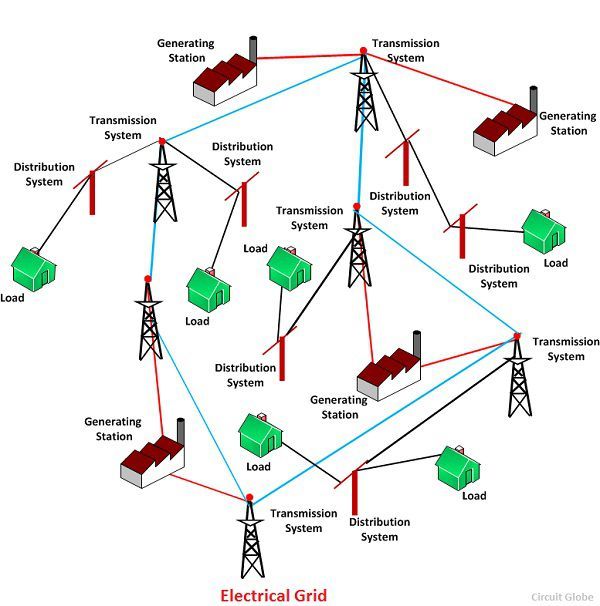
Ever wondered how all your gadgets get power? Or how your lights magically turn on with a flick? It's all thanks to something incredible and invisible working tirelessly behind the scenes: the power grid.
Think of the power grid as the ultimate invisible superhighway. It’s a vast, intricate network that carries electricity from where it’s made all the way to your home or office. It’s truly one of the most amazing inventions of modern times.
What makes it so special? For starters, its sheer scale is mind-boggling. We're talking about millions of miles of wires and cables. These stretch across entire countries, connecting countless homes and businesses.
Must Read
It's like a giant, pulsing circulatory system for electricity. This system has to be perfectly balanced, all the time. Imagine a tightrope walker, but instead of one person, it's billions of electrons balancing every second.
The Journey Begins: Where Power Comes From
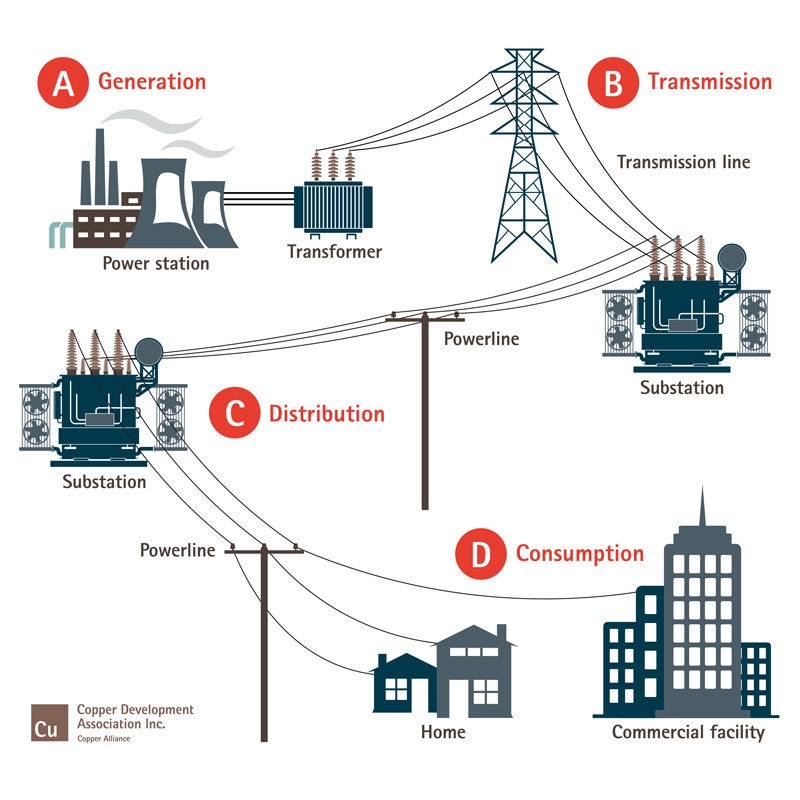
So, where does this magical electricity start its journey? It all begins at power plants. These are like giant energy factories dotted around the landscape.
Some plants harness the incredible power of nature. Think of mighty rivers rushing through huge dams. This flowing water spins turbines, creating electricity.
Other plants capture the endless energy of the sun. Solar farms, with their sea of glistening panels, turn sunlight directly into power. It’s a clean and powerful way to start the journey.
Then there are the graceful giants of the plains: wind turbines. These massive structures spin with the breeze, adding their clean energy to the grid. They are a beautiful sight to behold.
We also have plants that burn fuels like natural gas or coal. These create steam that spins turbines, generating a steady flow of electricity. Each type of plant plays a vital role in our energy mix.
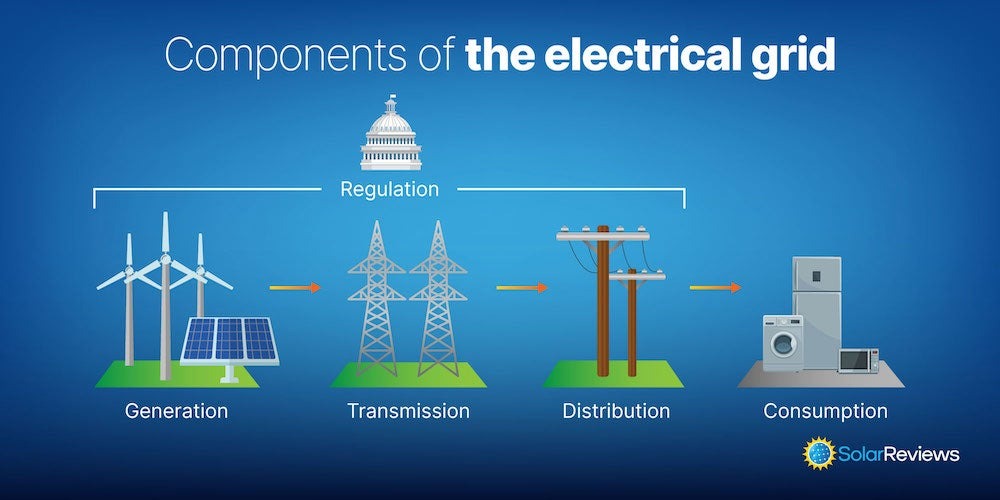
All these different sources feed their freshly made electricity into the grid. It’s like different rivers all flowing into one massive ocean.
The Grand Highways: Transmission Lines
Once electricity is generated, it needs to travel long distances. This is where the big, sturdy transmission lines come in. You've seen them – those tall metal towers marching across the countryside.
These towers hold thick cables high above the ground. They carry electricity at very high voltages. Think of it as increasing the "speed limit" for electricity.
Why so high? High voltage helps electricity travel efficiently. It loses less energy over long distances. This ensures that power reaches you without too much waste.
These lines are the interstate highways of the power world. They connect major power plants to big cities and towns. Without them, power couldn't bridge the gaps.
At various points along these highways, there are special places called substations. These are like the traffic cops of the grid, directing and transforming power.
Substations use giant transformers to change the voltage. They can step it up for long-distance travel or step it down for local delivery. It's a crucial step in the electricity's adventure.
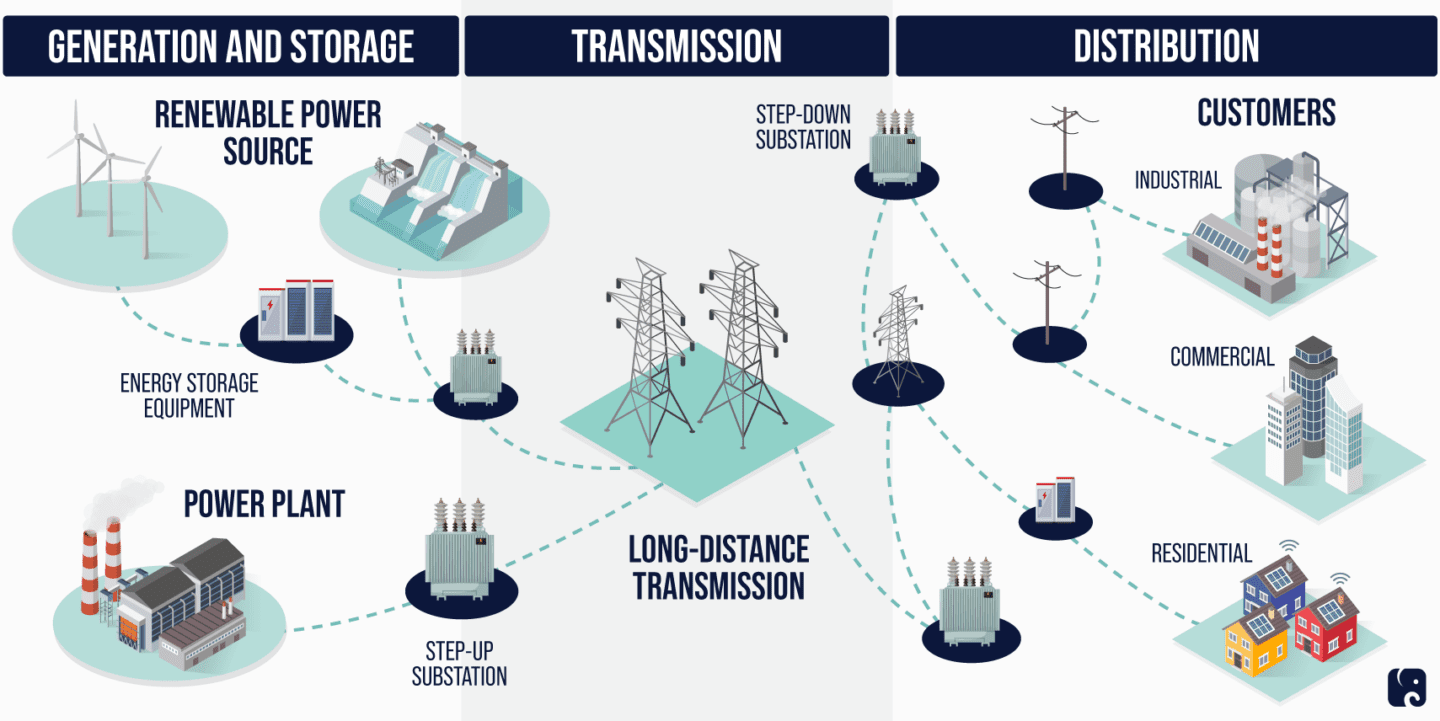
The Local Roads: Distribution Network
After travelling on the grand highways, electricity needs to get to your doorstep. This is where the distribution network takes over. These are the smaller, local roads of the grid.
You see these lines every day. They run along your streets, connected to wooden poles. These are the wires that branch off from substations into neighborhoods.
The voltage here is much lower, making it safe for homes and businesses. Smaller transformers, often hanging on poles, do this final step-down. They make the power usable for your devices.
Finally, a smaller wire runs from the pole directly into your house. That’s the end of electricity's long, winding journey. It's now ready to power your life!
The Invisible Dance: Balancing Act
Here’s where the grid truly becomes astonishing. The amount of electricity being generated must perfectly match the amount being used. This balance is critical, every single second.
Imagine everyone turning on their lights at the same time. The grid operators must instantly increase production. Conversely, if people start turning things off, production needs to drop.
This is a continuous, invisible dance of supply and demand. It's managed by incredibly smart systems and skilled human operators. They monitor the grid 24/7.
Frequency is the heartbeat of the grid. It must stay incredibly stable. If it dips too low, things can shut down. If it goes too high, equipment can be damaged.
This constant adjustment is what makes the grid so reliable. It’s an amazing feat of engineering and coordination. You almost never think about it, but it’s always working.
The power grid is a marvel of human ingenuity, orchestrating billions of electrons every second to power our modern world.
Why We Love the Grid (Even If We Don't Know It)
Why is this grid so special to us? Because it makes modern life possible. Every time you flip a switch, charge a phone, or binge-watch a show, you're interacting with it.
It brings light to our homes after dark. It keeps our food fresh in the refrigerator. It powers our computers, our hospitals, and our schools.
It’s the silent enabler of comfort, communication, and commerce. Without a reliable grid, our world would look drastically different. It would be a step back in time.
Think about the sheer convenience. Electricity is always there, waiting. We rarely have to worry about where it comes from. This reliability is a testament to the grid’s design.

Challenges and the Future: The Smart Grid
Even though it's amazing, the grid faces challenges. Extreme weather, cyber threats, and the need for more clean energy are constant considerations. Maintaining such a vast system is a monumental task.
That's why engineers are constantly working to make the grid even better. The future is all about the smart grid. This next generation will be even more intelligent and responsive.
A smart grid uses digital technology to monitor and manage electricity flow in real-time. It can detect problems faster and even heal itself in some cases. It's like giving the grid a brain.
It also makes it easier to integrate more renewable energy sources. Imagine your solar panels on your roof feeding power back into the grid. The smart grid will handle that two-way flow with ease.
This means a more resilient, efficient, and environmentally friendly power system. It’s an exciting evolution for something so fundamental to our lives.
So, the next time your lights come on, take a moment. Think about the incredible journey those electrons made. Appreciate the unseen marvel that is the power grid.
It's not just wires and poles; it's a dynamic, living system. It’s constantly working to make our world brighter and more connected. It truly is a hidden wonder of our modern age.