
What Is Gas For Cars Made Of
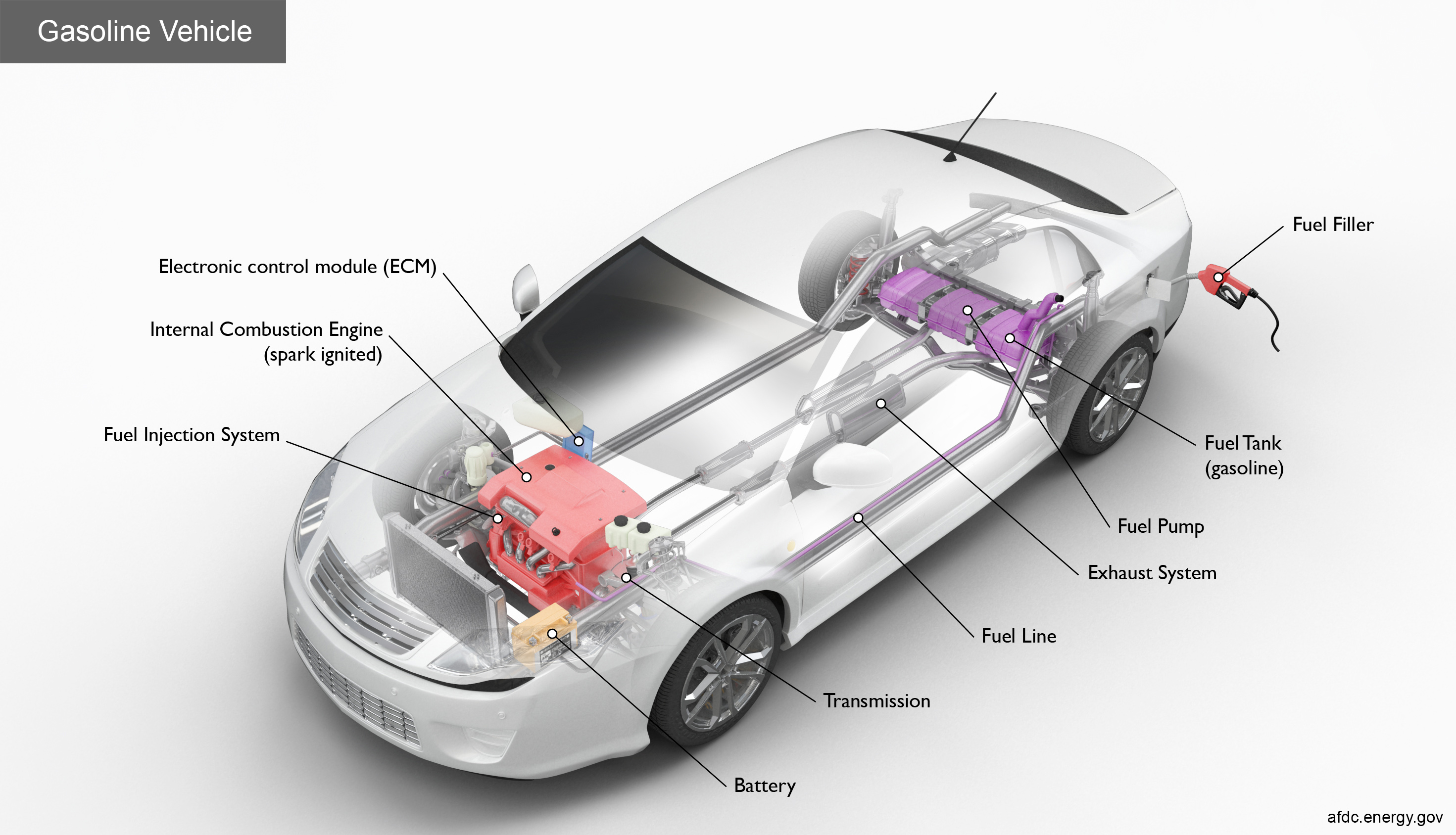
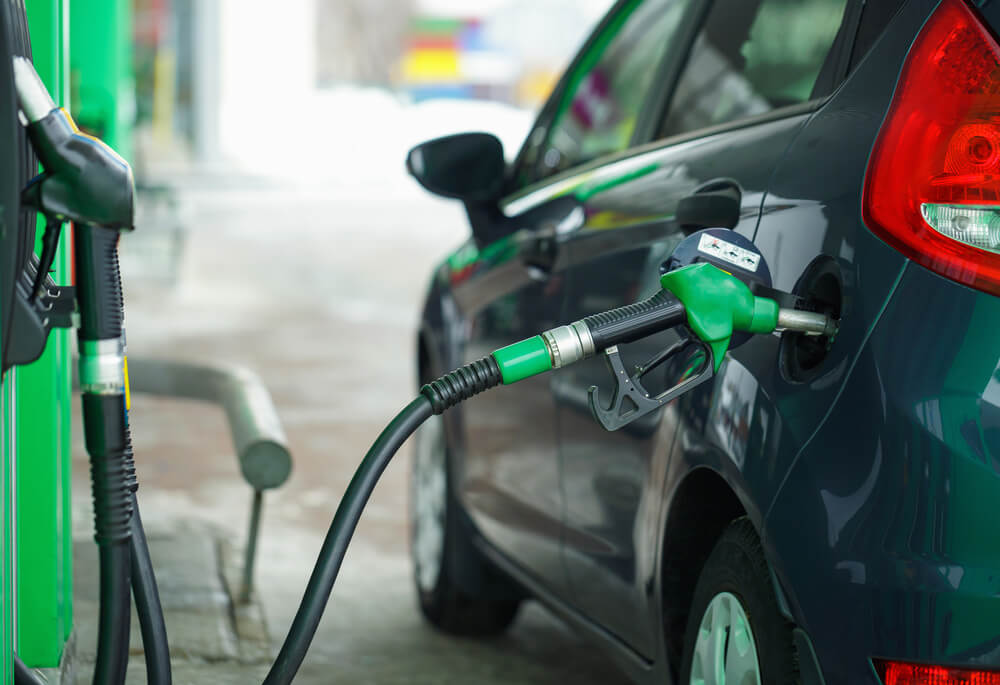
Hey there, fellow adventurers! Ever pulled up to the pump, heard that satisfying clunk of the nozzle, and watched the numbers climb, all while thinking... "What is this stuff, anyway?" You're not alone! We trust it to get us everywhere, from epic road trips to the daily coffee run, but for many, gasoline remains a bit of a magical mystery potion.
Well, get ready to have your mind gently expanded, because we're about to demystify that liquid gold in your tank. And guess what? Understanding it can actually make your drives feel a little more awesome.
It Starts with an Ancient, Earthy Brew
Imagine the Earth, millions of years ago, bustling with tiny sea creatures and plants. When they died, they sank to the bottom, got covered by layers of mud and rock, and were cooked under immense pressure and heat over eons. The result? A gooey, dark, wonderfully complex substance we call crude oil.
Must Read
Think of crude oil as Mother Nature's ultimate, primordial smoothie. It's a mixture of thousands of different compounds, just waiting to be separated and put to good use. And yes, it’s where your gasoline journey truly begins!
From Goo to Go: The Magic of Refining
So, we've got this thick, black crude oil. How does it become the clear, volatile liquid that powers your car? Enter the refinery, a marvel of modern engineering that looks like a giant, metallic playground of pipes and towers.
The primary process here is called distillation. Essentially, crude oil is heated to incredibly high temperatures and then pumped into a tall tower. As it rises, different components cool and condense at different levels, based on their boiling points.
It's like boiling water and collecting the steam – but on a super-sized, industrial scale, separating not just water, but all sorts of liquids! Lighter components, like gasoline, rise higher and condense first, while heavier stuff, like asphalt, stays at the bottom. Pretty neat, right?
Meet the Energy Stars: Hydrocarbons!
Okay, so what is gasoline, chemically speaking? It's primarily a mix of incredibly energetic molecules called hydrocarbons. As the name suggests, these are compounds made up of just two elements: hydrogen and carbon.
These hydrocarbons come in various shapes and sizes, from small, light molecules to slightly larger, heavier ones. Each one is essentially a tiny, perfectly packaged bundle of energy. When you ignite gasoline in your engine, these bonds break, releasing that stored energy in a powerful, controlled explosion that pushes your car forward.

Knowing this, every time you press the accelerator, you're not just burning fuel; you're unleashing the incredible power stored in these microscopic hydrogen and carbon bonds. How cool is that?
More Than Just Hydrocarbons: The Secret Sauce of Additives
While hydrocarbons are the main event, gasoline isn't just pure distilled crude oil. Oh no, that would be too simple! Modern gasoline is a carefully blended cocktail, enhanced with a range of clever additives. Think of these as the secret spices that make the meal perfect.
These additives do crucial jobs:

- Detergents: They keep your engine's fuel injectors clean, ensuring optimal performance and efficiency. Your car's engine loves a good scrub!
- Corrosion Inhibitors: These protect metal parts from rust and degradation.
- Anti-oxidants: They prevent the fuel from breaking down and forming harmful gunk over time.
- Dyes: Yes, those vibrant colors in some fuels aren't just for show; they help identify different types of fuel.
So, the next time you see those premium gas options, you'll know they often contain a super-charged blend of these helpful additives, designed to keep your engine running like a dream.
Octane: The Knock-Knock Stopper
You've probably seen "87," "89," or "91" on the gas pump, right? That number is the octane rating. It's not a measure of how much power the gas has, but rather its ability to resist premature ignition – what engineers call "knocking" or "pinging."
Higher octane fuel is more resistant to this uncontrolled combustion. It allows your engine's computer to advance the ignition timing, extracting more power without damaging the engine. For most everyday cars, 87 octane is perfectly fine. But for high-performance engines, a higher octane rating is like giving them the exact rhythm they need to hit every beat perfectly, ensuring smooth, powerful operation.
Why This Knowledge Makes Life More Fun!
So, why bother learning all this? Because now, every time you fill up your tank, you’re not just performing a chore. You're participating in a fascinating chain of events that started millions of years ago, involved incredible scientific ingenuity, and culminates in the roar of your engine.
You understand the raw, ancient power you're harnessing. You appreciate the clever chemistry that keeps your car humming smoothly. You're not just driving; you're engaging with a fundamental marvel of modern life. It adds a layer of depth, a spark of wonder, to something utterly mundane.
The open road feels a little more magical, doesn't it? Knowing what makes your car go isn't just knowledge; it's a new lens through which to see the world, transforming the ordinary into something truly extraordinary.
The world is full of hidden wonders, even in the most everyday things. So, pump with pride, drive with understanding, and let your newfound curiosity inspire you to look a little closer at everything around you. Who knows what other amazing discoveries are waiting?