
What Is Flux Cored Arc Welding
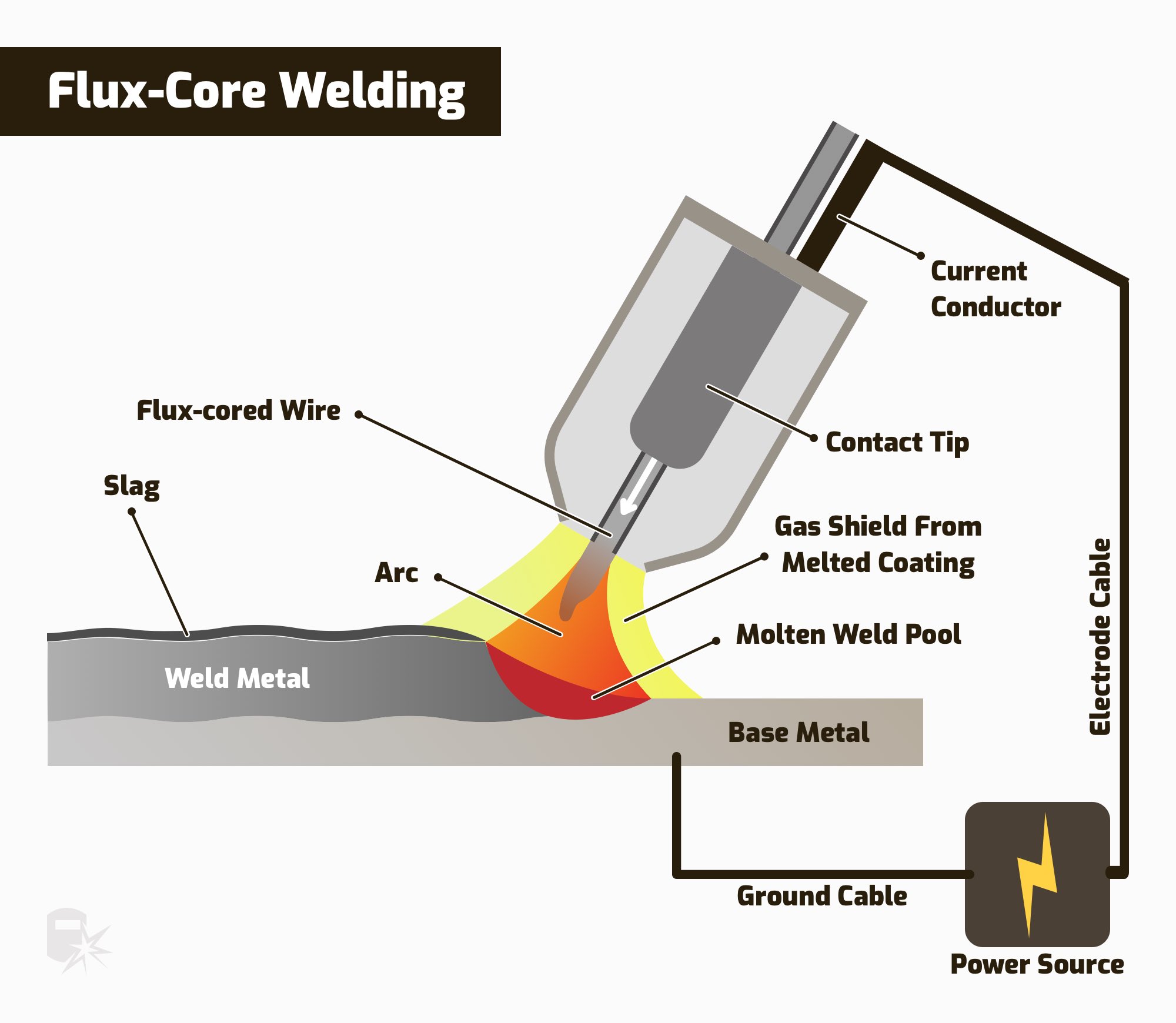
Ever looked at a magnificent bridge, a towering skyscraper, or even just your sturdy garden gate and wondered, "How on earth do they stick all that metal together so strongly?" Well, friends, you've stumbled upon the magical world of welding! And today, we're going to pull back the curtain on one particularly fascinating technique: Flux Cored Arc Welding, or FCAW if you like to sound like you know your stuff.
Now, don't let the name scare you. It sounds super techy, but in reality, it's just another brilliant way to fuse pieces of metal together so they become one, strong, happy family. Think of it like a super-powered, indestructible glue stick for metal, but with sparks and sizzle!
So, What's in a Name? Breaking Down FCAW
Let's dissect this beast of a name, shall we?
Must Read
First, the "Arc" part. This is the electricity, the bright, hot spark that melts the metal. Imagine a tiny, controlled lightning bolt that's really, really good at heating things up. This arc is what creates the intense heat needed to melt the edges of your metal pieces, allowing them to flow together and solidify into a single, mighty joint. It’s like the super hot oven that bakes your metal casserole.
Next up, the "Welding" part. That's simply the process of joining those metals together. Pretty straightforward, right?

But here's where it gets interesting, and frankly, a bit clever: the "Flux Cored" bit. This is the secret sauce, the special ingredient that makes FCAW stand out from some of its welding cousins.
The Magic of the "Flux Core" – It's Like a Delicious Twinkie!
Imagine a delicious Twinkie. You've got that golden sponge cake on the outside, right? That's kind of like our metal wire. But what's inside that makes a Twinkie a Twinkie? The creamy, sweet filling!
In FCAW, our welding wire isn't just a solid piece of metal. Oh no. It's actually a hollow tube, and inside that tube is a powdered mixture of chemicals called "flux." This flux is our Twinkie cream filling, but instead of making things sweet, it makes things strong and protected.
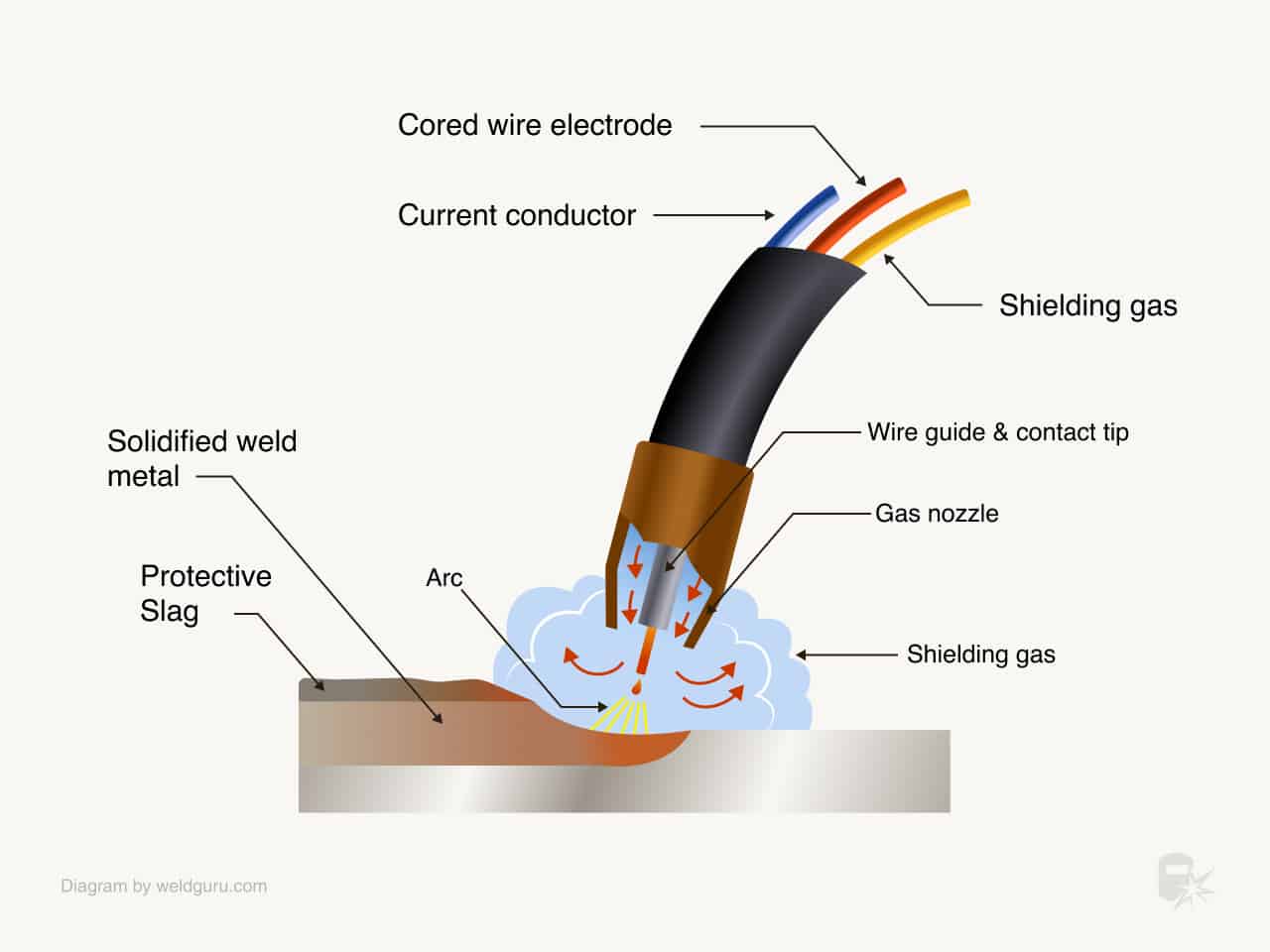
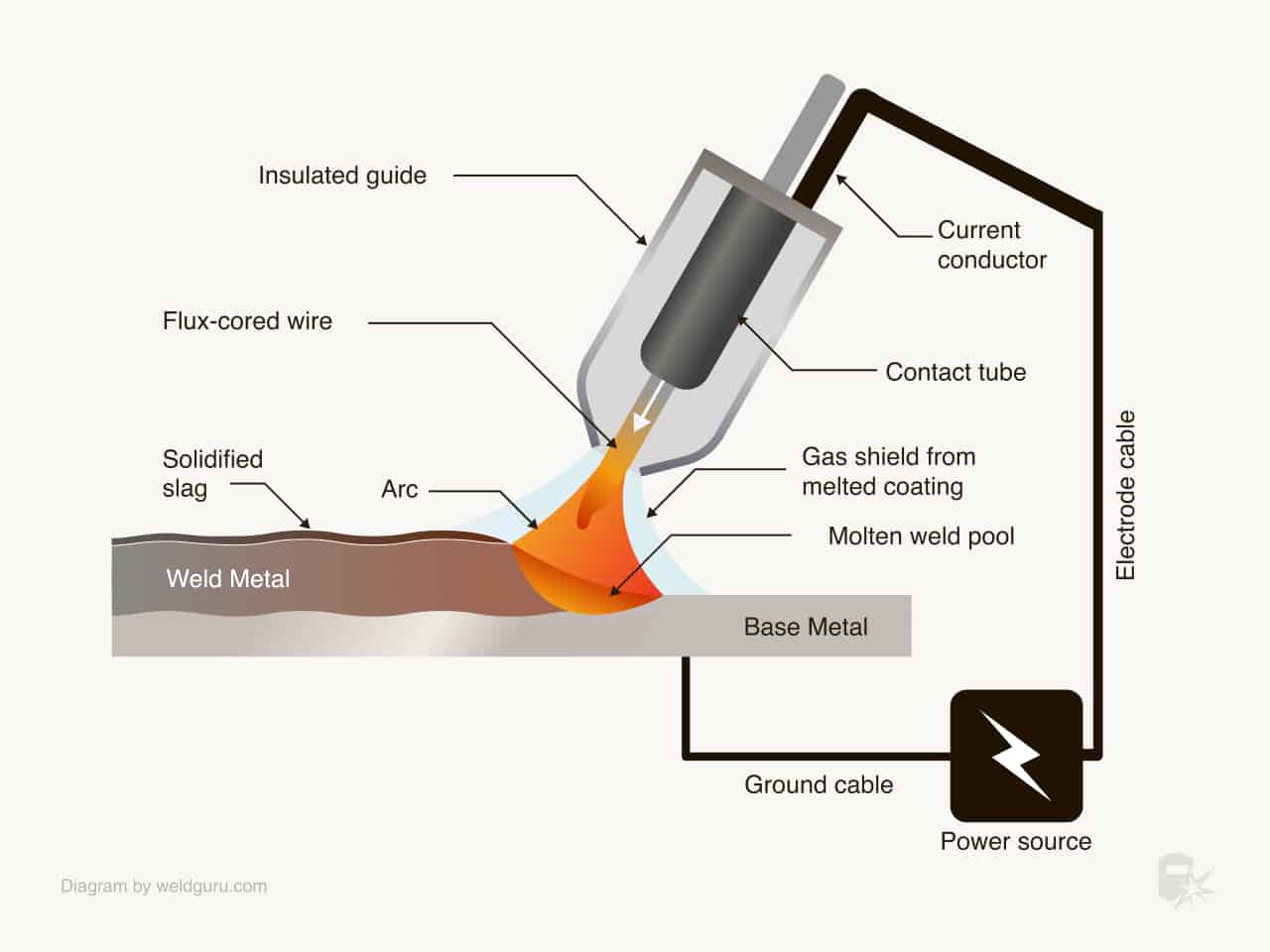
When that welding arc melts our wire (the "sponge cake") and the base metal, the flux (the "cream filling") also melts. And here's its superpower: it creates a protective cloud of gas around the molten weld puddle. Why is this important? Because molten metal is a bit like a shy teenager – it doesn't like being exposed to the "elements" (like oxygen and nitrogen in the air) because they can make it weak and brittle. The flux's protective gas shield keeps those pesky impurities away, ensuring a nice, clean, and incredibly strong weld.
As the weld cools, the flux forms a crusty layer called "slag" on top. Think of it like the protective shell on a crab – it's easily chipped off once the weld is cool, revealing the beautiful, strong metal beneath.
Why Should You Care About This Clever Twinkie-Wire Welding?
Alright, so it sounds neat, but why should this make you smile, or even pique your interest? Because FCAW is a workhorse. It's the dependable, versatile friend that gets the job done, often when other welding methods might struggle.
1. It Laughs in the Face of Wind (Mostly!)
Ever tried to light a candle in a breeze? Hard, right? Some welding methods rely on a separate stream of gas to shield the weld, which gets easily blown away by the wind outdoors. But remember our flux core? It makes its own shielding gas! This means FCAW is fantastic for outdoor projects – repairing a farm gate, building a sturdy deck railing, or fixing heavy equipment on a construction site. It's like having its own built-in windbreaker.
2. Gets Things Done Faster Than a Speeding Bullet (Almost)
FCAW is known for its ability to lay down a lot of weld metal quickly. This makes it super efficient for building big structures like bridges, ships, or the framework of a new apartment complex. Less time welding means projects get finished faster, and who doesn't love efficiency? It’s the express lane of welding.
3. Stronger Than Your Morning Coffee (And That's Saying Something)
Because of that clever flux core protecting the weld, FCAW produces incredibly robust and strong welds. This isn't just for show; it's vital for safety and durability in things we rely on every day. That playground structure your kids climb on? The dump truck rumbling down the road? Chances are, FCAW played a part in making them incredibly tough and dependable.

4. A Bit Messy, But Oh-So-Forgiving
It's true, FCAW can be a bit sparky and creates a bit more spatter (tiny metal droplets) than some other methods. You'll also have that slag to chip off. But here's the silver lining: it's often more forgiving for beginners or hobbyists than some other finicky welding types. It can handle a little rust or grime on the metal better, making it a great entry point for those wanting to dabble in metal fabrication. Think of it like a delicious BBQ – a bit messy to eat, but utterly worth it!
FCAW: The Unsung Hero All Around You
So, the next time you see a new building going up, a heavy-duty trailer on the highway, or even a robust metal sign, take a moment. There's a good chance that our clever little Twinkie-like wire, with its self-protective flux core and powerful arc, was hard at work, making the world a stronger, more connected place.
Flux Cored Arc Welding might have a mouthful of a name, but it’s an incredibly important, versatile, and rather ingenious process that touches our lives in countless ways, often without us even realizing it. It's a testament to human ingenuity, keeping our world bolted (or rather, welded) together, one strong, protected seam at a time!