
What Is Expiration Date For Car Seats
Imagine this: you’re a proud parent, maybe getting ready for baby number two, or perhaps a kind friend has offered you a hand-me-down car seat. It looks perfectly good, sturdy, and ready for action. You might even think, “Score! One less thing to buy!”
Then, a little whisper starts. A curious friend or an online forum mentions something odd: car seats, like milk or medicine, have an expiration date. Wait, what? A plastic seat for a child has a best-before label?
It sounds utterly bizarre, doesn't it? Like finding an expiration date on your favorite comfy armchair. But it's true, and it’s one of those surprising little details that, once you know, you can't un-know.
Must Read
You might picture a scene straight out of a comedy: a parent frantically flipping over a car seat, squinting at labels, searching for a hidden clock ticking down. It’s an "aha!" moment that can turn a seemingly simple item into a surprising mystery.
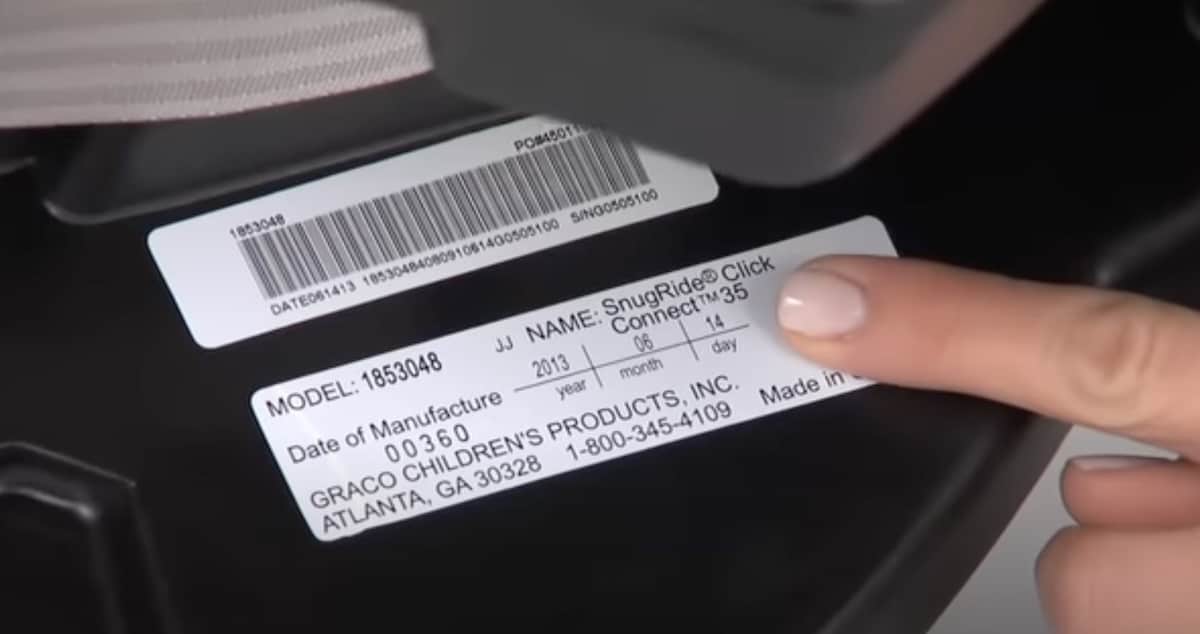
So, you embark on a little detective mission. You inspect the car seat, running your fingers along the labels, feeling for raised numbers. Is it on the side? The bottom? Under the fabric?
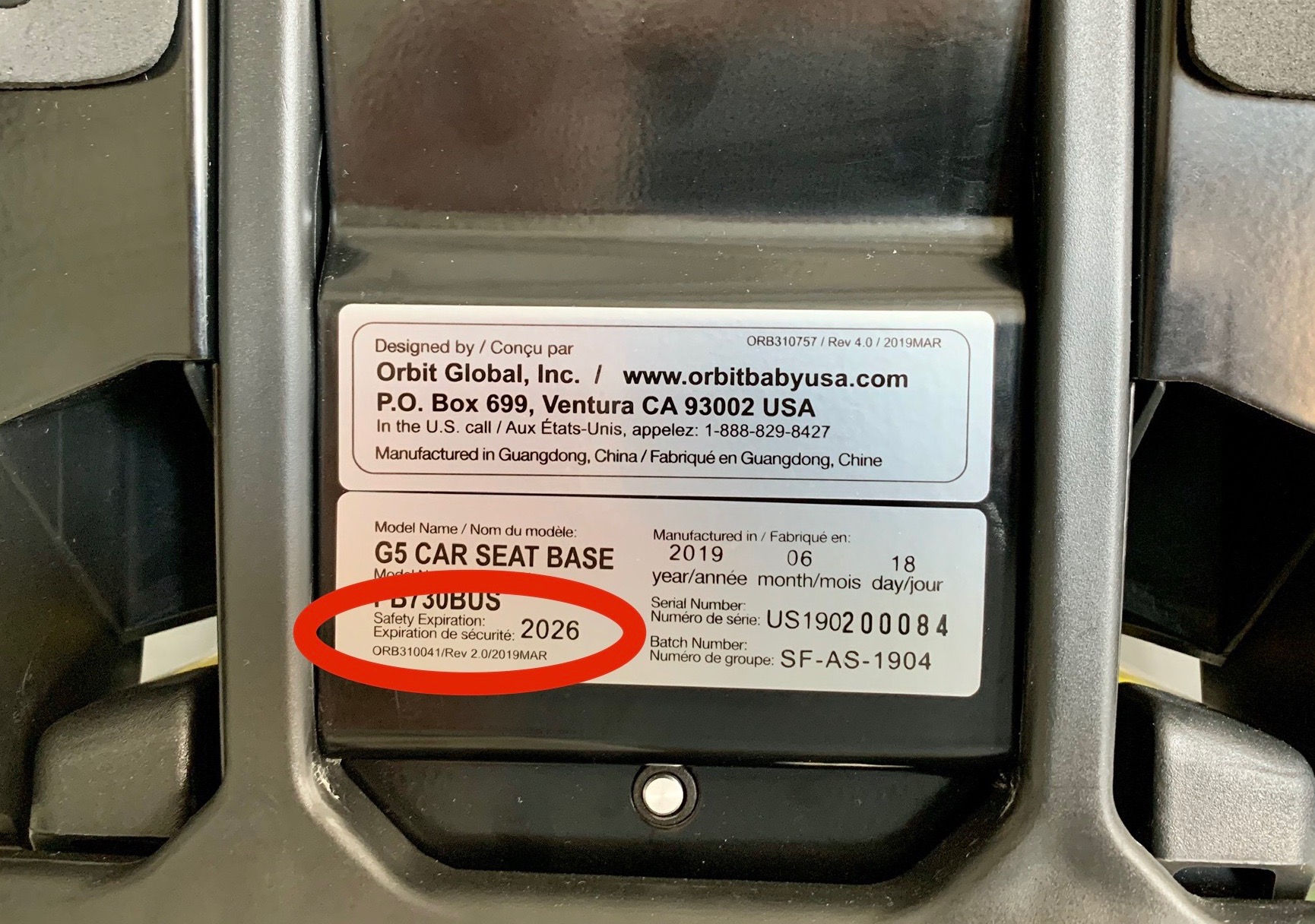
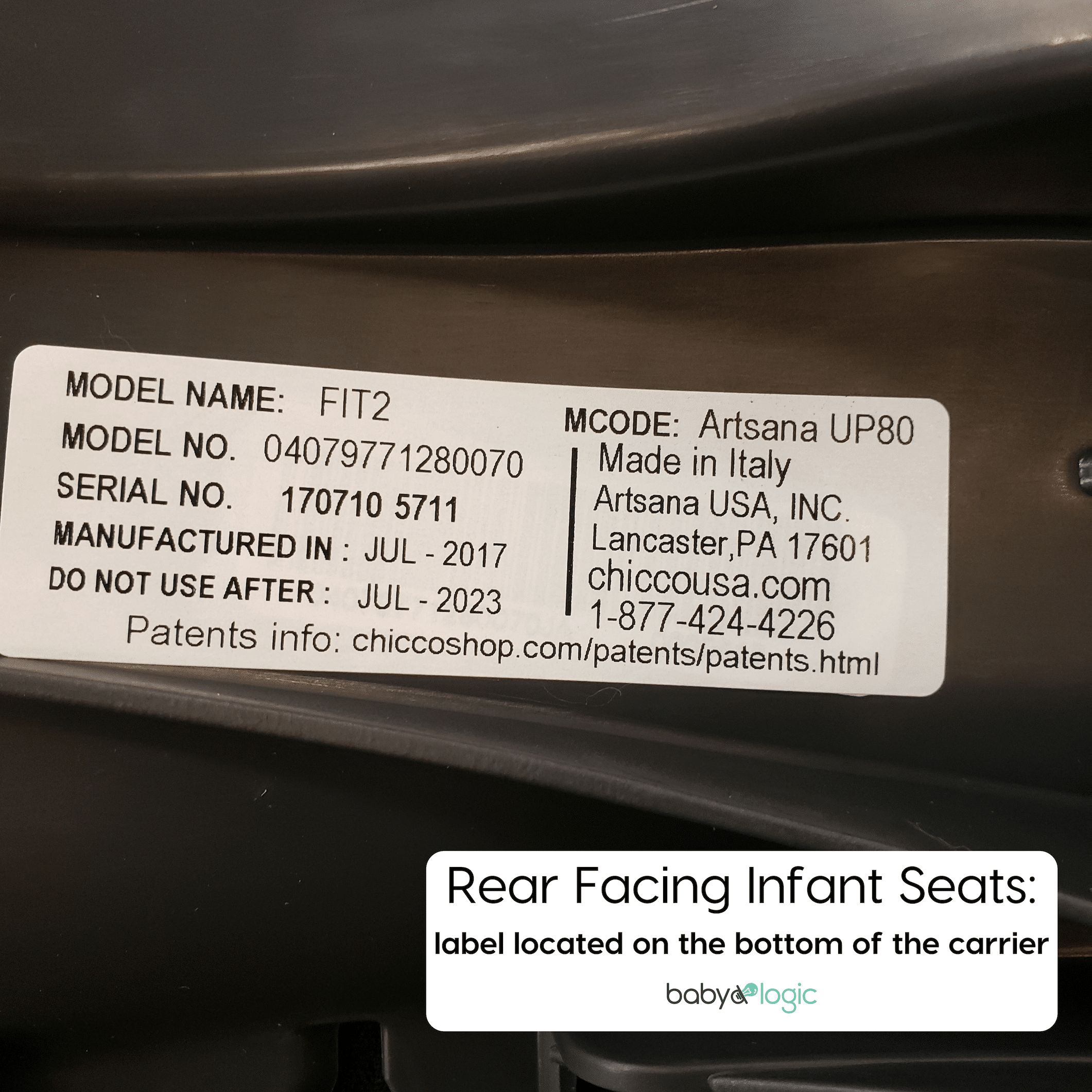
Often, it’s a tiny sticker, or perhaps embossed directly into the plastic itself, usually on the back or bottom. You might find a date of manufacture, and then an expiration date, or sometimes just a lifespan (e.g., “Do not use after 6 years from manufacture date”).
It’s like finding a secret message! You finally spot it, usually next to the manufacturer's name or a serial number. There it is, in plain sight, yet so often overlooked: an expiration date.
Your first thought might be, "But why? It hasn't been in a major crash! It just sat in the back of the car, looking perfectly fine!" And that’s where the heartwarming and surprisingly relatable part of this story begins.
Think of it not as a fault, but as an invisible layer of care. Car seats are marvels of engineering, designed to cradle and protect our most precious cargo. But even the best-designed things have a lifespan, often for reasons we don't immediately consider.
It’s not just about dramatic impacts, though that's certainly a factor. It's about the everyday adventures, the countless trips to grandma's house, the grocery store, and daycare. These seats endure a lot more than we realize.
Imagine your car seat as a silent superhero, constantly battling the elements. The relentless sun streaming through the windows, heating the plastic. The chilly winter mornings, making it stiff. These temperature fluctuations, day in and day out, slowly take their toll.
Over time, the plastic components can subtly degrade. They might become less flexible, a tiny bit more brittle. These changes are invisible to the naked eye, but they can affect the seat's ability to perform perfectly when it matters most.
It's similar to how your favorite pair of running shoes might still look fine, but after hundreds of miles, the cushioning and support aren't what they used to be. The structural integrity, the unseen magic, starts to wane.
“Car seats don’t just sit there; they brave the daily elements, protecting our little adventurers with silent, steadfast dedication.”
Then there are the car seat straps. They get tugged, tightened, loosened, and occasionally become the recipient of a dropped cookie or a spilled juice box. This constant use and exposure can wear down the webbing, making it less resilient over time.
And let’s be honest, car seats collect everything. Crumbs, dust, stray toys, and perhaps the occasional mystery sticky residue. While tidying up, tiny parts might loosen or even go missing without us ever noticing.
Safety standards also evolve. What was considered cutting-edge protection a few years ago might have been improved upon. Manufacturers continuously innovate, learning new ways to make car seats even safer.
An expired car seat might not incorporate the latest safety features. A newer model could offer enhanced side-impact protection or a more advanced harnessing system, giving your child that extra layer of security.
Furthermore, manuals get lost. We might pass a seat on without its original instructions, meaning the next user misses crucial installation or usage information. Without proper guidance, even the safest seat can be incorrectly used.
The expiration date is the manufacturer's way of saying, "We've tested this. We know its limits. For optimal safety, this is the timeframe." It's a promise of reliability, a gentle nudge to ensure your child travels in the safest possible environment.
So, when you find that date, it’s not a judgment, but an invitation to provide the best possible care. It’s a moment to ensure that the superhero in your backseat is still at the top of its game.

What do you do if your car seat has crossed its invisible finish line? The general advice is to dispose of it responsibly. Don't sell it or give it away, even if it looks perfect.
Many communities have recycling programs specifically for car seats. Some retailers even offer trade-in events, where you can bring an old seat for recycling and get a discount on a new one. It's a thoughtful way to complete the cycle of care.
The "expiration date" on a car seat isn’t a technical hassle; it’s a surprising reminder of the unseen forces at play in our everyday lives. It highlights the dedication of manufacturers to safety and our own role as vigilant protectors.
It turns a mundane object into something with a story, a history of journeys, and a built-in obsolescence designed purely for protection. It’s a quirky detail that, once understood, adds another layer of love to the act of buckling up our little ones.
So next time you glance at a car seat, remember its secret. It's not just a plastic shell; it’s a guardian with a ticking clock, silently ensuring the safest possible ride for the most precious passengers in the world. And that's a truly heartwarming thought.