
What Is Difference Between Typhoon And Hurricane
Okay, picture this: you're building an epic sandcastle. You've got moats, towers, the works! Suddenly, the wind picks up. Just a little at first, messing with your carefully sculpted walls. Then, BAM! It's a full-blown sandstorm, ripping through your masterpiece like a tiny, sandy Godzilla. We've all been there, right? Now, imagine that sandstorm is a super-powered weather system. That's where hurricanes and typhoons come in!
Spinning, Swirling, Superstorms – But Where Are They?
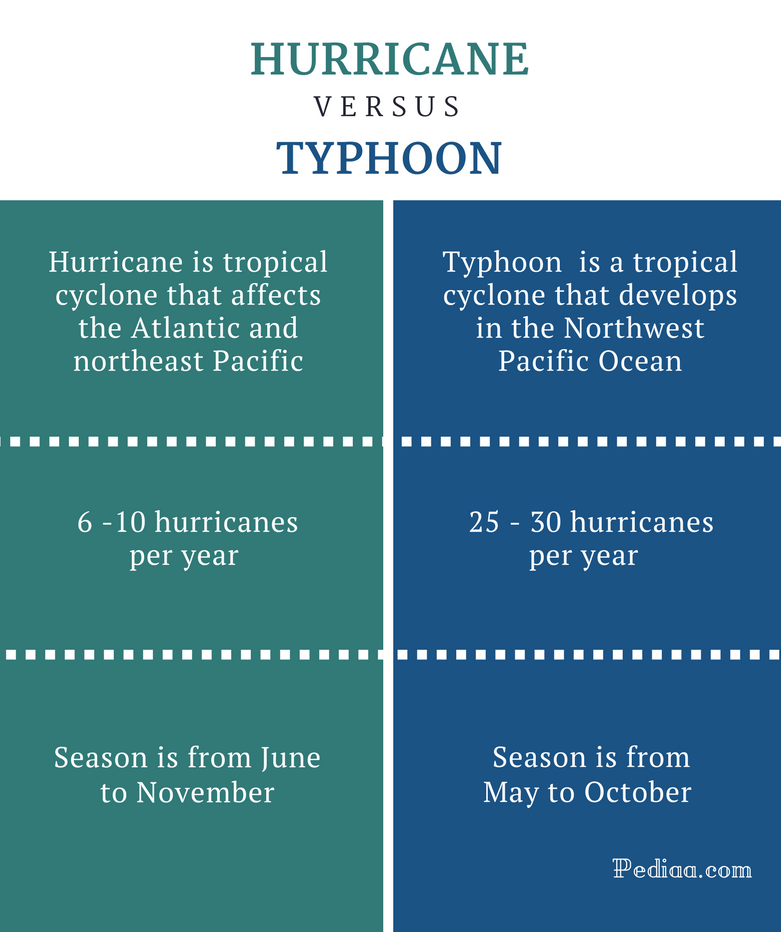
The thing is, hurricanes and typhoons are basically the same magnificent beast – a gigantic, swirling storm with winds that could send your beach umbrella flying to Mars. The only difference is where they happen to be showing off their swirling power.
Think of it like ordering pizza. In some countries, they call it a pizza. In others, maybe they call it a 'flatbread of deliciousness'. Same scrumptious thing, different name. Hurricanes and typhoons are meteorological synonyms!
Must Read
Atlantic & Eastern Pacific: "Hurricane, I Choose You!"
If this massive weather system is brewing in the Atlantic Ocean or the eastern North Pacific Ocean (think off the coast of Mexico and California), we call it a hurricane. It's like the storm's official name badge says, "Hurricane, pleased to wreak havoc…responsibly, of course!" (Okay, maybe not responsibly).
Western Pacific: "Typhoon? More Like 'Ty-PHWOON!'"
Now, if this swirling vortex of wind and rain is tearing it up in the western North Pacific Ocean (that's near Asia, folks!), then it's called a typhoon. It's the same extreme weather event, just sporting a different regional moniker. Think of it as the storm going international and needing a new passport. Suddenly it's sophisticated and exotic. "Bonjour, I am Typhoon, ready to make an impression!"

To make it super clear: both hurricanes and typhoons are tropical cyclones. Tropical cyclones are just rotating, organized systems of clouds and thunderstorms that originate over tropical or subtropical waters and have closed low-level circulation. Simple, right?
So, What's All the Fuss About?
Well, even though they’re the same phenomenon with different names, it’s important to know which term to use. Why? Because knowing where the storm is helps people prepare! The same way people from different regions of the world know the difference between "football" and "soccer" (depending on if they use their feet or hands), meteorologists use specific terms depending on geography.
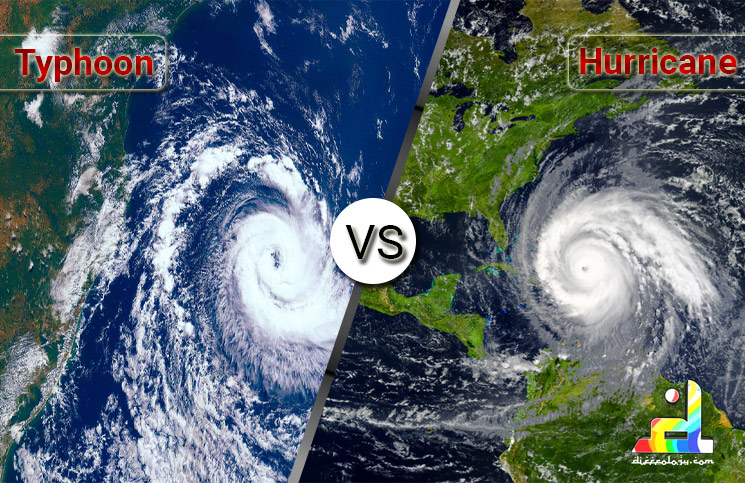
Imagine trying to warn someone about a storm using the wrong term. "Hey, there's a huge hurricane headed towards Japan!" People might think, "Wait, hurricanes don't usually hit Japan… are you sure?" Using the right term, in this case, "typhoon", makes sure everyone understands the potential danger immediately.
"Geography is destiny!" - Some very wise geographer...probably. Also applies to superstorms!
Don’t Panic! Be Prepared!
The most important thing to remember is that both hurricanes and typhoons are serious weather events. They can bring torrential rain, flooding, high winds, and even dangerous storm surges (that's when the ocean level rises and floods coastal areas – definitely NOT fun). So, whether it's called a hurricane or a typhoon, take warnings seriously and be prepared. Have an emergency kit, know your evacuation routes, and keep an eye on weather updates.

Think of it like this: knowledge is your superhero cape! Knowing the difference between a hurricane and a typhoon might not seem like much, but it's one more tool in your arsenal to stay safe and weather the storm (pun intended!). And who knows, you might even impress your friends with your newfound meteorological expertise!
So next time you hear about a massive storm brewing in the ocean, remember: Hurricane? Atlantic or Eastern Pacific. Typhoon? Western Pacific. Same storm, different name, same need to be prepared! Now go forth and conquer that weather trivia! Just maybe not with an actual storm. That's frowned upon.
