What Is Difference Between Hurricane And Cyclone
Ever wondered why some massive storms are called hurricanes and others are called cyclones? It's like knowing the secret handshake to understanding weather news! Understanding this simple distinction isn't just trivia; it's about understanding how weather systems work and potentially staying safe, making it both fun and incredibly useful.
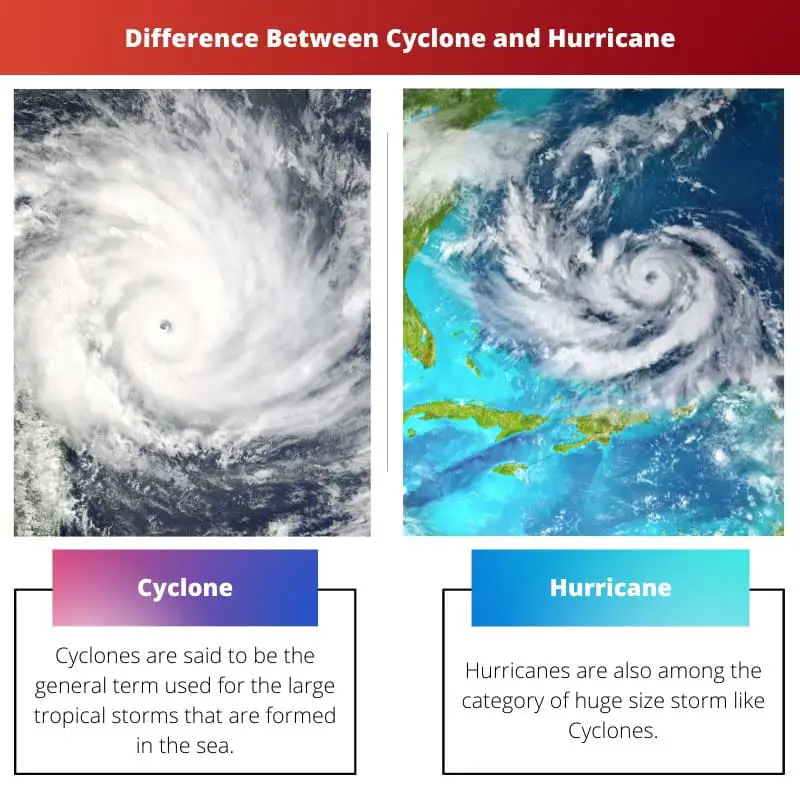
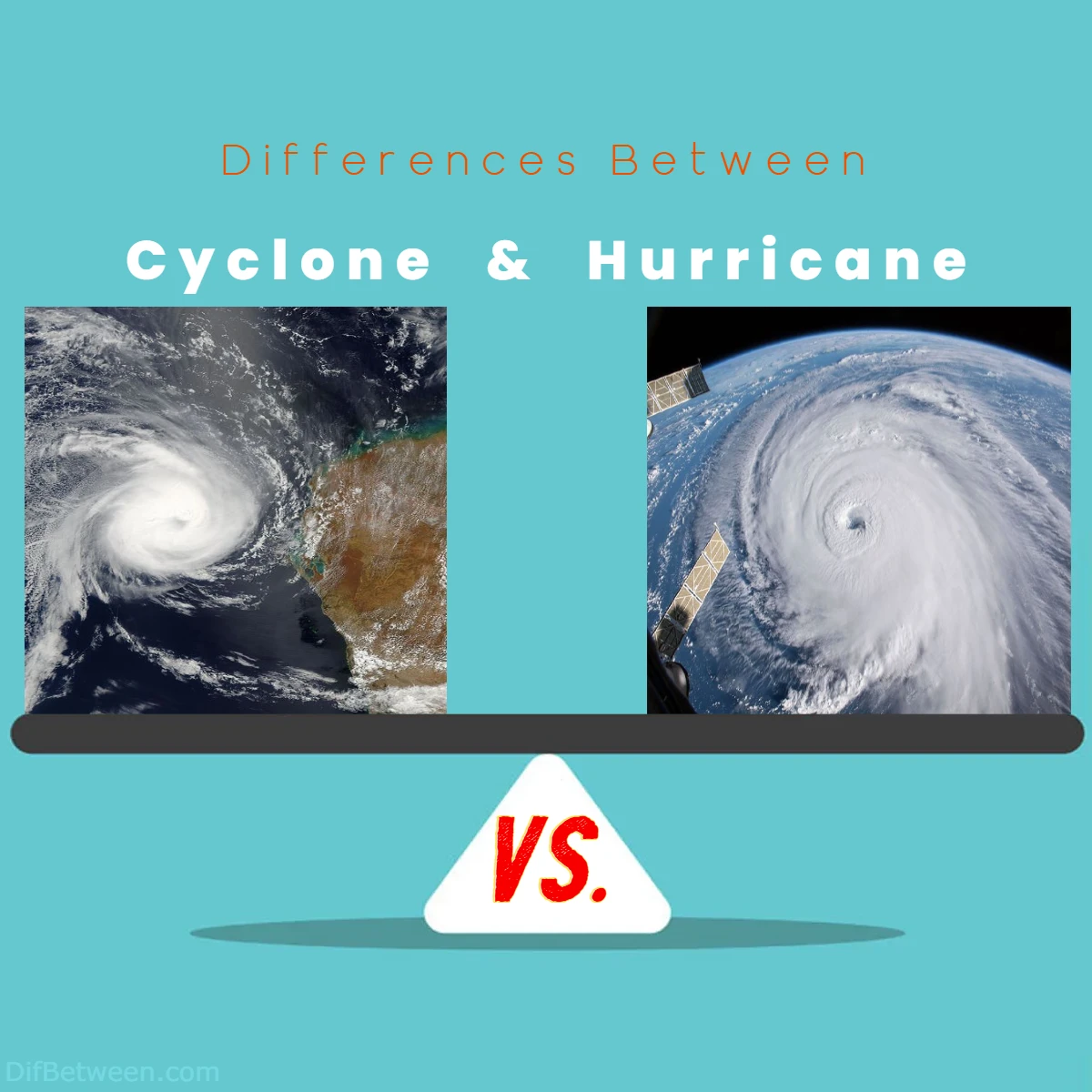
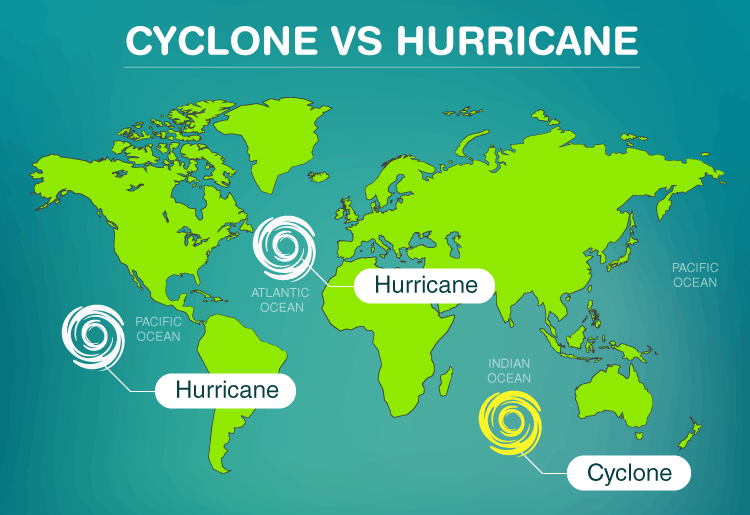
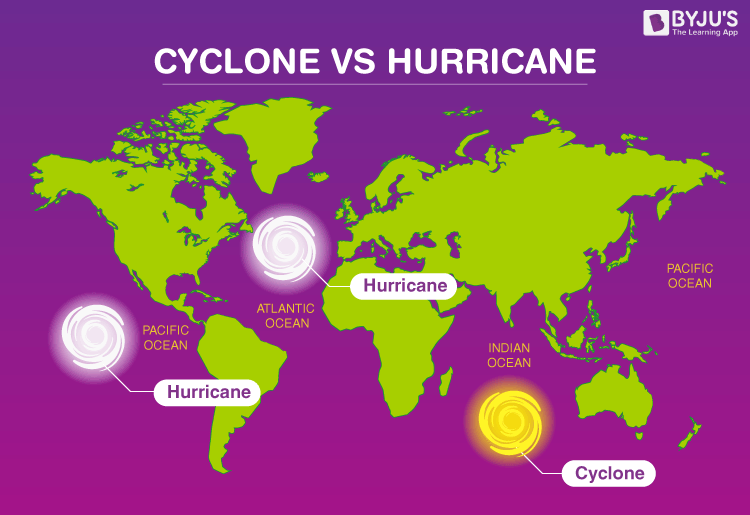
So, what's the big deal? Basically, it all boils down to location, location, location! Both hurricanes and cyclones are the same type of weather phenomenon: a powerful, rotating storm system with high winds and heavy rain. The only difference is where they form. Think of it like calling a soft drink a "soda" versus a "pop" - same thing, different regional names.
For Beginners: Imagine the Earth as a giant globe. If a big swirling storm brews in the North Atlantic Ocean, the Central North Pacific Ocean, or the Eastern North Pacific Ocean, we call it a hurricane. If that same swirling storm develops in the South Pacific Ocean or the Indian Ocean, it's called a cyclone.
Must Read
For Families: Knowing the terms is especially important for families who live in or travel to coastal areas. When planning vacations or preparing for storm season, understanding whether you're at risk from a hurricane or a cyclone can help you make informed decisions about safety and evacuation plans. Maybe make it a fun geography lesson with the kids! You could even track storms online together to see how they develop and where they’re headed.
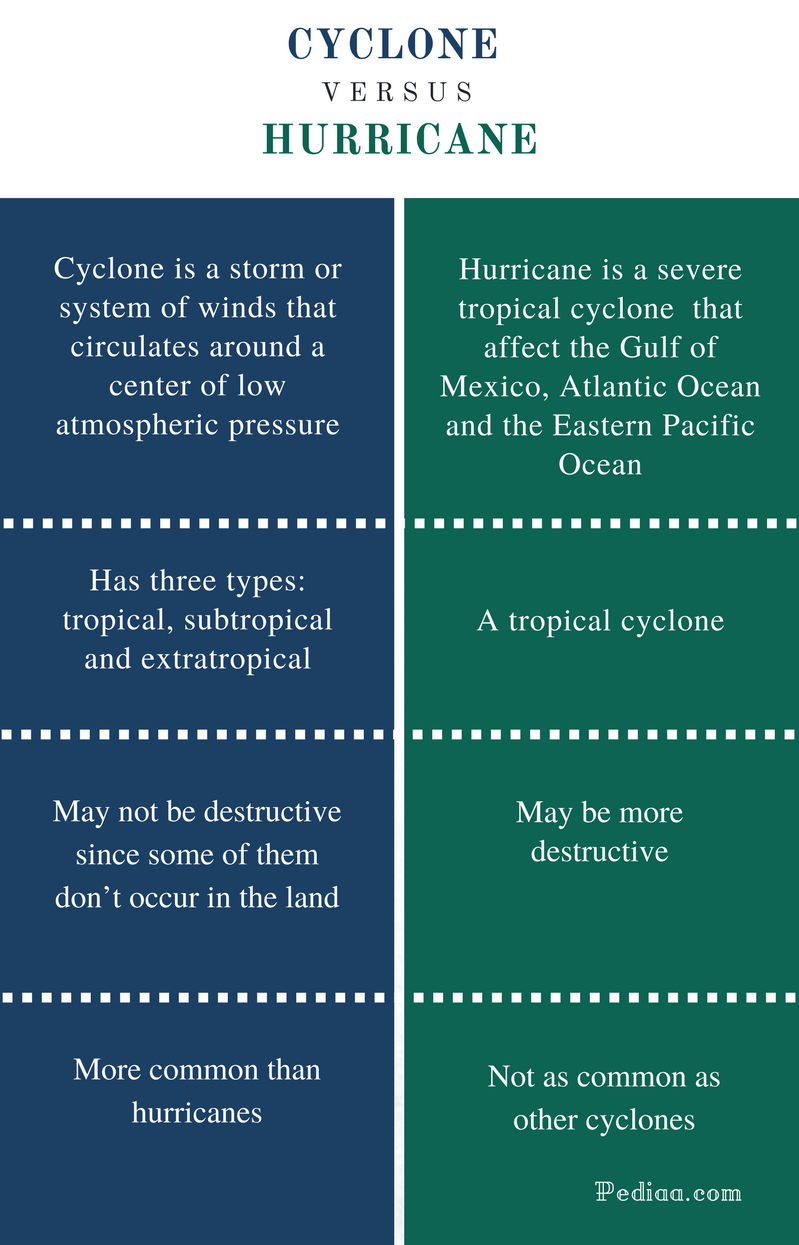
For Hobbyists (Weather Watchers!): Delving deeper, you'll find that different regions also have slightly different naming conventions and warning systems for these storms. For example, in the Western North Pacific Ocean, these storms are often called typhoons. Learning about these regional differences adds another layer of fascination to studying weather patterns.
Examples & Variations: Hurricane Katrina, which devastated New Orleans, is a prime example of a powerful hurricane. Cyclone Nargis, which caused widespread destruction in Myanmar, highlights the devastating potential of cyclones. And Typhoon Haiyan, which struck the Philippines, shows the force of these storms in the Western Pacific. The variations in strength and impact are significant, but they all share the same fundamental characteristics.
Getting Started - Simple Tips:
- Check the News: Pay attention to weather reports and warnings in your area.
- Learn Your Location: Understand if you live in an area prone to hurricanes, cyclones, or typhoons.
- Be Prepared: Have an emergency plan and a supply kit ready, just in case.
Ultimately, understanding the difference between a hurricane and a cyclone – and recognizing they are fundamentally the same phenomenon – empowers you. It equips you with knowledge to better understand weather reports, plan accordingly, and stay safe. So next time you hear about a massive storm, you'll know exactly what's up, no matter what it's called. The world of weather is a fascinating one, and even small pieces of knowledge, like this distinction, can make it all the more engaging!