
What Is Difference Between Fusion And Fission
We've all seen it in movies, heard it in science classes, and maybe even pondered it while staring at the sun: nuclear power. But behind the buzzwords and glowing green imagery lies a fascinating reality, split into two distinct processes: fission and fusion. Think of them as the "breaking" and "joining" of the atomic world, each with unique characteristics and applications.
So, why should you care? Well, understanding the basics of fission and fusion helps you grasp the science behind clean energy research, the history of nuclear weapons, and even the fundamental processes that power our very existence. Knowing the difference equips you to participate in informed discussions about energy policy, scientific advancements, and the future of our planet.
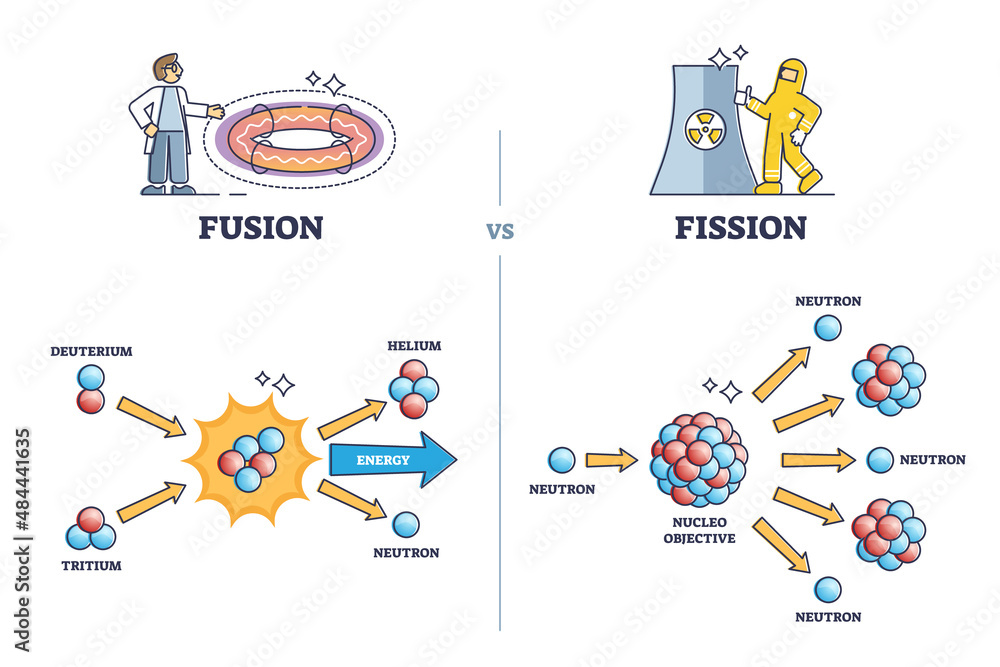
Let's start with fission. Imagine a fragile plate being shattered. That's essentially what happens in nuclear fission. A heavy, unstable atom, like uranium, is bombarded with a neutron. This impact causes the atom's nucleus to split into smaller nuclei, releasing a tremendous amount of energy in the process. This released energy is then harnessed to heat water, create steam, and turn turbines, generating electricity in nuclear power plants.
Must Read
The benefits of fission are clear: it provides a powerful, reliable source of energy. Nuclear power plants can operate around the clock, regardless of weather conditions, unlike solar or wind power. And while it does produce nuclear waste (a significant concern), it doesn't emit greenhouse gases during operation, making it a low-carbon energy source.
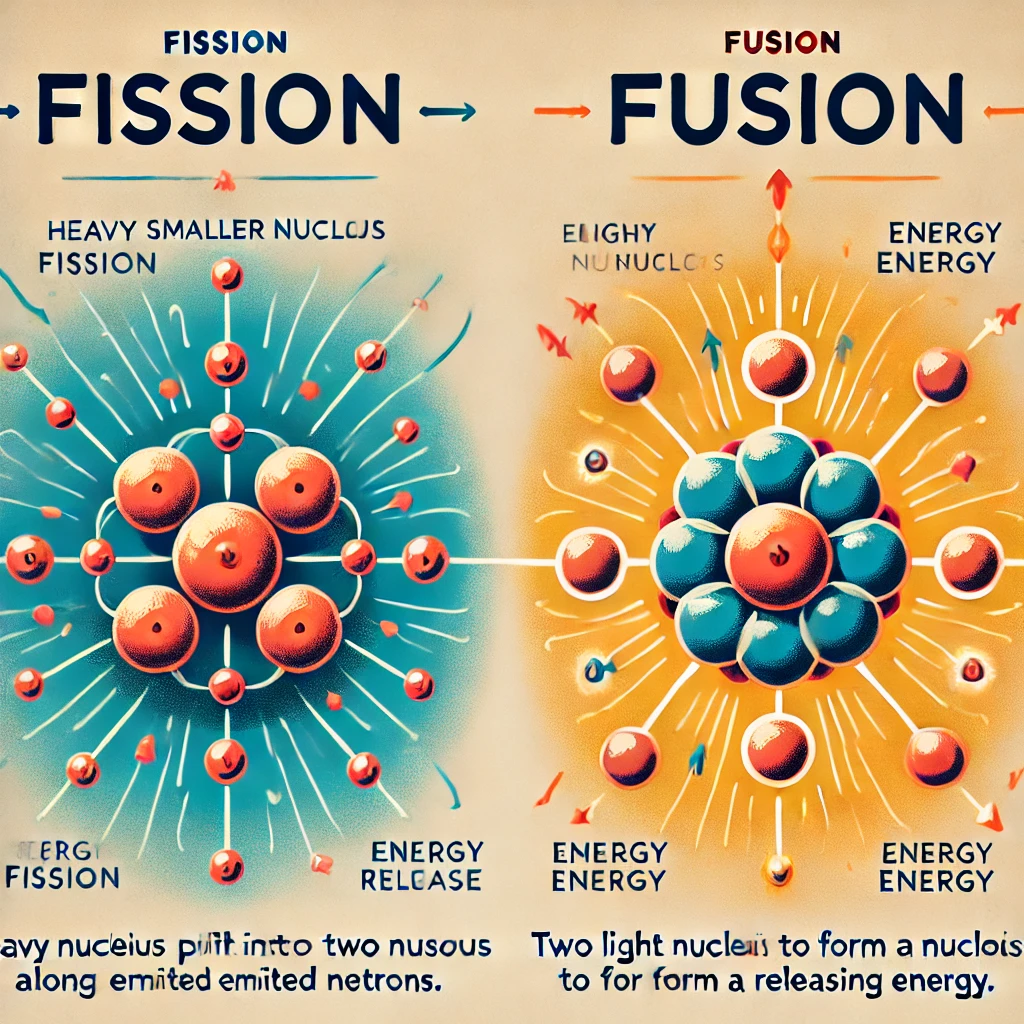
Now, let's dive into fusion. Instead of breaking apart atoms, fusion is about bringing them together. Think of it as sticking two small LEGO bricks together to make a larger one. In the core of the sun, hydrogen atoms are forced together under extreme heat and pressure to form helium, releasing even more energy than fission. This is the ultimate power source, fueling stars and holding the potential for nearly limitless clean energy on Earth.
The allure of fusion is undeniable. The fuel source, primarily hydrogen isotopes like deuterium and tritium, is abundant and readily available. Fusion reactions also produce relatively little radioactive waste compared to fission. The major hurdle? Replicating the extreme conditions of the sun on Earth is incredibly challenging. Scientists around the world are working tirelessly to overcome these engineering obstacles through devices like tokamaks and laser-driven fusion experiments.
So, how can you engage with fission and fusion more effectively? Start by staying informed. Read reputable science articles, watch documentaries, and follow the progress of fusion energy research. Understand the nuances of the debate surrounding nuclear power, including the risks and benefits associated with each technology. Support organizations dedicated to advancing clean energy technologies. By becoming a more informed citizen, you can contribute to the discussion and help shape the future of energy.
In short, while fission is a technology we currently use to generate power, fusion remains a promising frontier, holding the key to a future of clean, sustainable energy. Understanding the difference between these two atomic processes empowers us to make informed decisions and participate in shaping a brighter future for generations to come.

