What Is Difference Between Fission And Fusion
Ever wondered where the Sun gets its seemingly endless energy? Or how nuclear power plants generate electricity? The answers lie in two fascinating, and powerful, processes: fission and fusion. While they both involve the atom's nucleus, they're actually quite different. Understanding these differences isn't just cool trivia; it helps you understand everything from the origins of the universe to potential future energy sources.
So, what's the big deal for different folks? For beginners, it's simply a fun way to grasp basic science. Thinking about atoms splitting and merging is a great introduction to the invisible world around us. For families, it's a launching point for discussions about energy, the environment, and responsible technology. Imagine explaining to your kids how the sun works! Hobbyists, especially those interested in science or DIY projects, can delve deeper into the theoretical aspects or even explore safe, simulated experiments to visualize these processes.
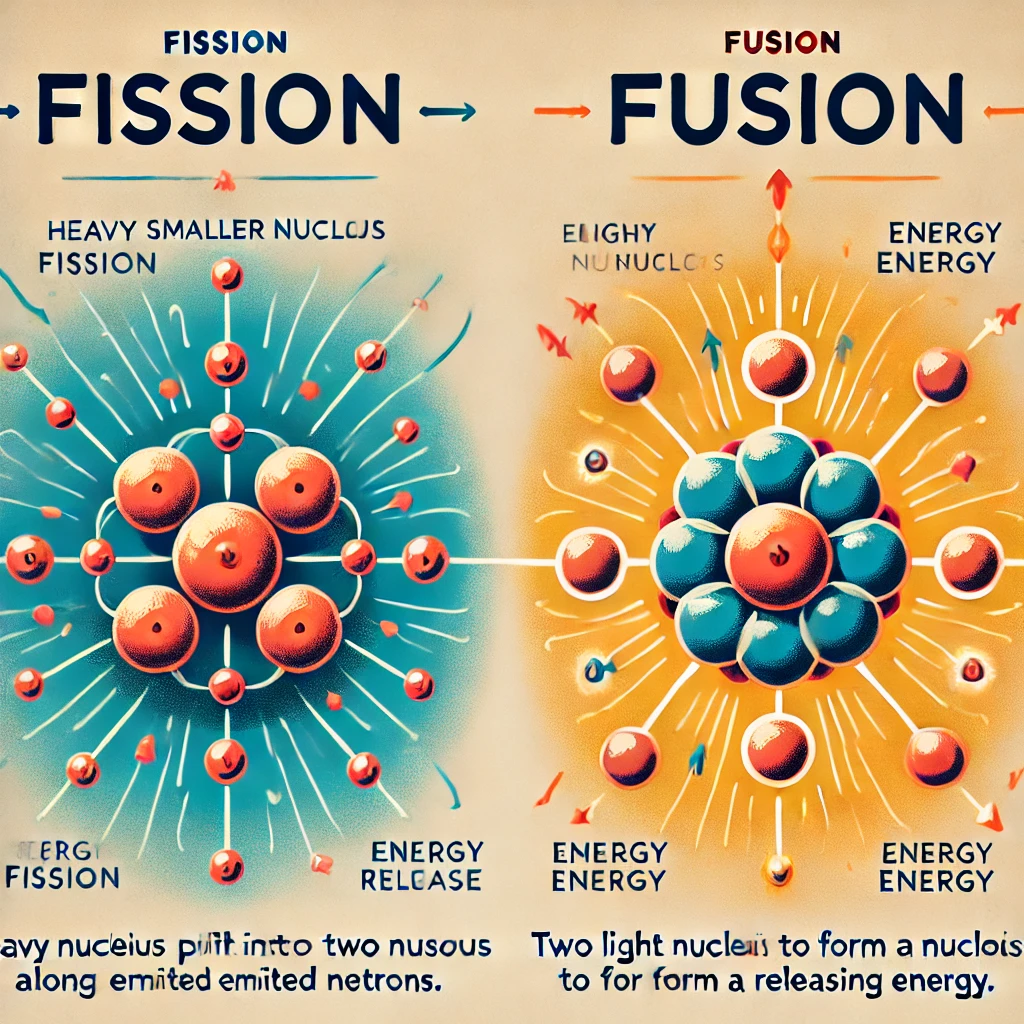
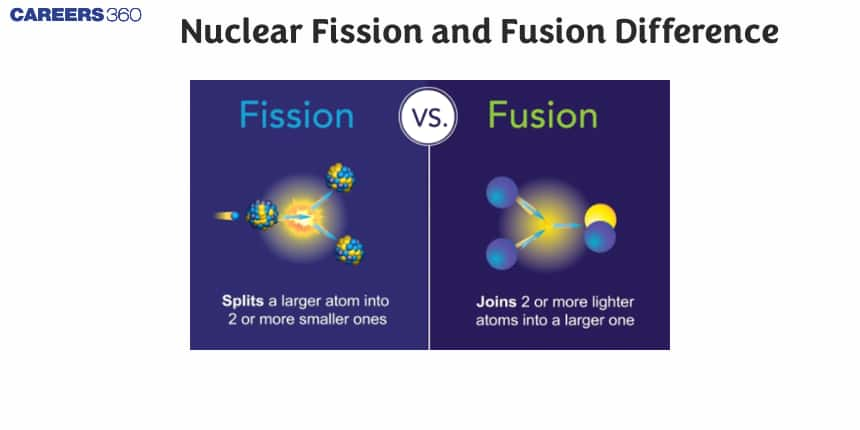
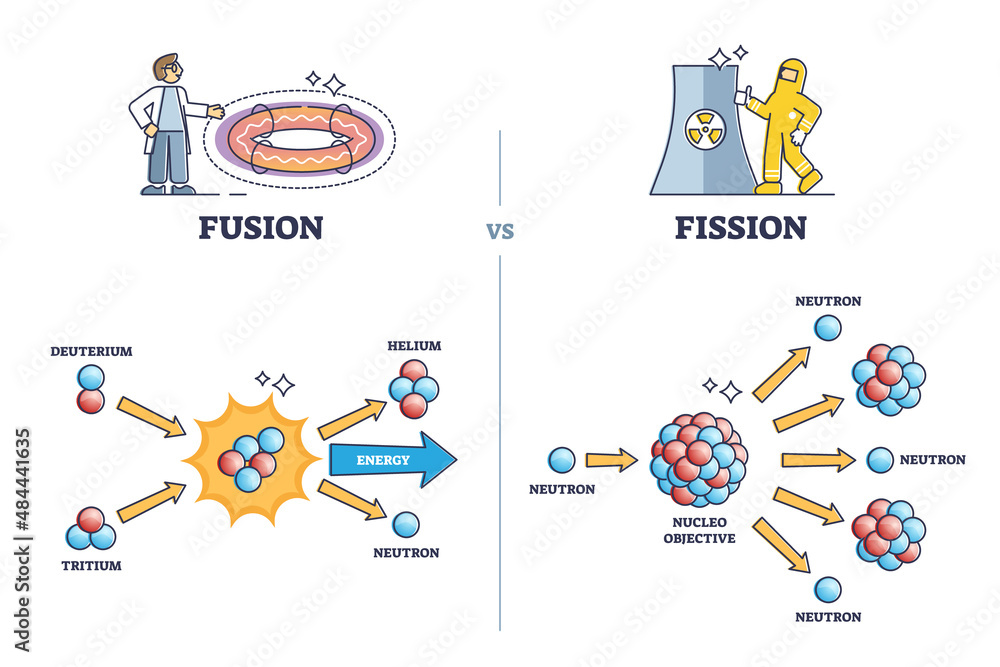
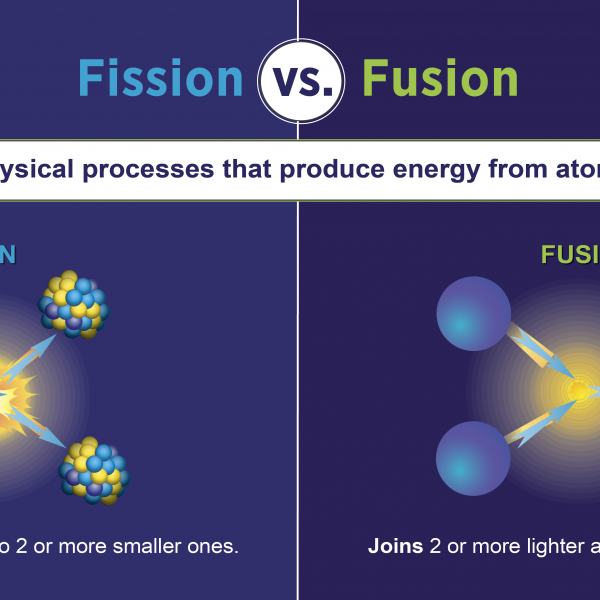
Let's break it down. Fission is like carefully taking a cookie (a heavy atom like uranium) and snapping it into two smaller pieces. This splitting process releases a tremendous amount of energy. We use fission in nuclear power plants to boil water, which then creates steam to turn turbines and generate electricity. Think of it as a controlled chain reaction, where each split atom releases neutrons that then go on to split more atoms. The downside? Fission produces radioactive waste, which needs careful management.
Must Read
Fusion, on the other hand, is like taking two small blobs of dough (light atoms like hydrogen) and squishing them together to make a larger blob (helium). This also releases a massive amount of energy. This is what powers the Sun and other stars. Imagine the immense gravity and heat in the sun forcing hydrogen atoms to combine! The beauty of fusion is that it uses abundant fuels (hydrogen isotopes) and produces relatively little radioactive waste. The challenge? Achieving the extreme temperatures and pressures needed to make fusion happen is incredibly difficult.
Examples and variations abound. Different isotopes of uranium and plutonium are used in fission reactors. Fusion research focuses on various methods to confine and heat hydrogen isotopes, such as deuterium and tritium. There are even hybrid approaches being explored, combining aspects of both fission and fusion.
Want to learn more? Here are a few simple tips: Start with online simulations or interactive diagrams to visualize the processes. Watch documentaries about nuclear energy and astrophysics. Read age-appropriate science books with clear explanations and illustrations. Visit a science museum with exhibits on nuclear physics or energy.
Understanding fission and fusion isn't just about memorizing facts; it's about appreciating the power and complexity of the universe. It's about understanding where energy comes from and thinking critically about how we use it. It's fascinating, empowering, and opens up a whole new world of scientific understanding. So, dive in and enjoy the journey!