
What Is Difference Between 1 Phase And 3 Phase

Electricity! It's the invisible force powering our world. But have you ever stopped to think about how it gets to your home or favorite gadgets?
There's more than one way to deliver that electrifying goodness. Let's dive into the fascinating world of single-phase and three-phase power!
What's the Buzz About Phases?
Imagine electricity flowing like water in a pipe. Single-phase is like one pipe delivering water. Three-phase, on the other hand, is like having three pipes all working together!
Must Read
Think of it as a team effort. Instead of one lonely pipe, you've got a whole squad ensuring a smooth and powerful flow.
Single-Phase: The Homebody
Single-phase is the kind of electricity you're probably most familiar with. It's the standard in most homes. It powers your lights, TV, and that all-important coffee maker!
It's generally sufficient for smaller appliances and lower power needs. Think toasters, blenders, and your phone charger. These things don't require a huge electrical surge.
But what if you needed a whole lot more power? That's where three-phase steps in.
Three-Phase: The Heavy Hitter
Three-phase is the workhorse of the industrial world. It's designed to power heavy-duty equipment. Think big motors, factory machinery, and large air conditioning systems.
It can handle much larger loads more efficiently. Imagine a factory with huge machines; single-phase wouldn't cut it!
With three separate phases delivering power, the load is distributed more evenly. This results in a smoother and more consistent power supply.
The Key Differences: Let's Break it Down
So, what really sets these two power systems apart? It's more than just the number of "pipes".
It's all about power delivery, efficiency, and applications. Let's explore these differences.
Power Output: Size Matters!
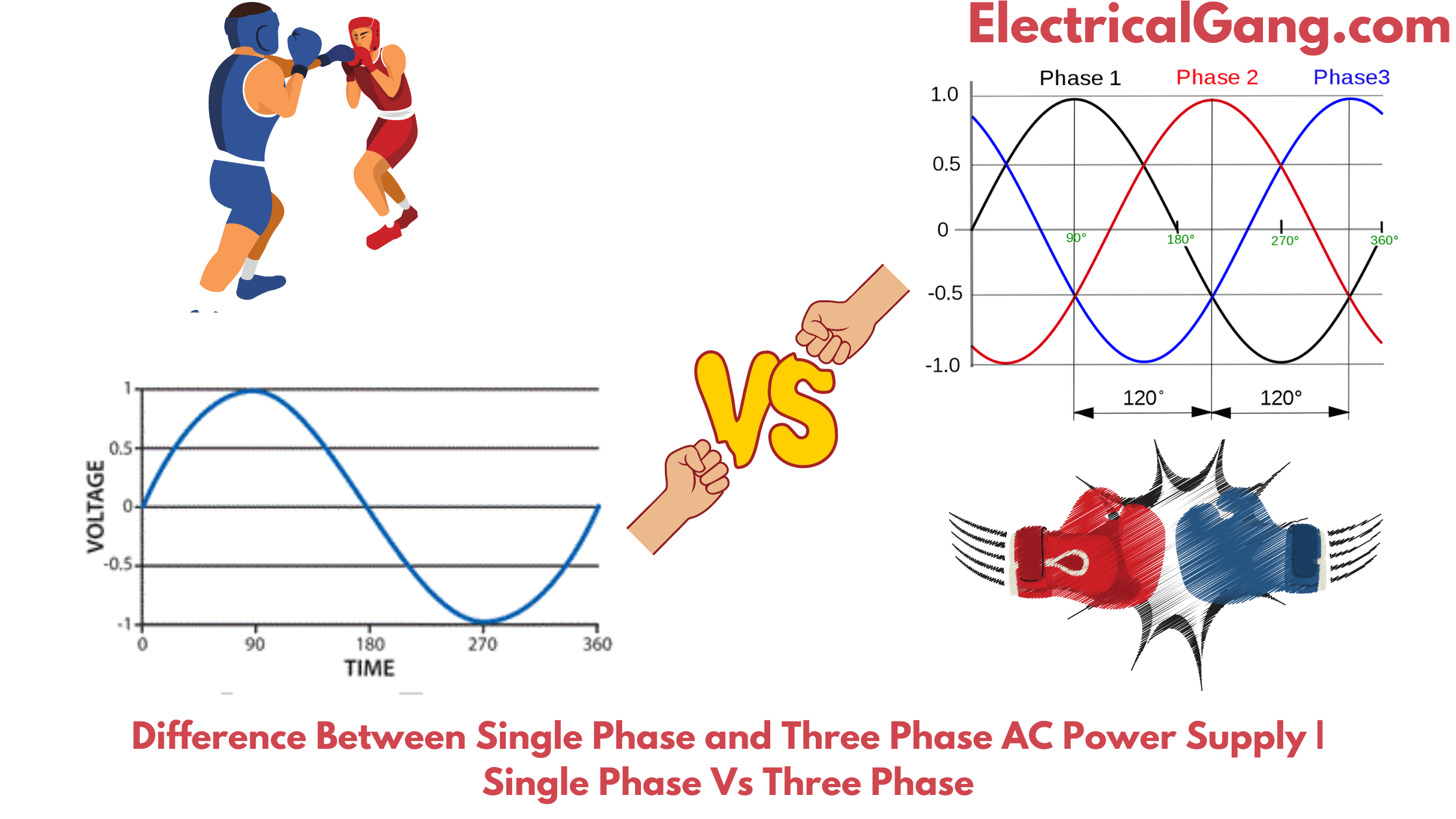
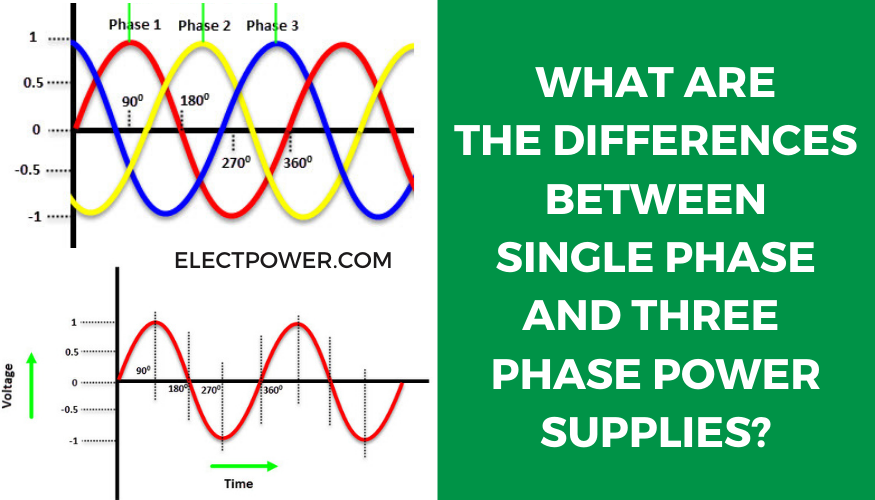
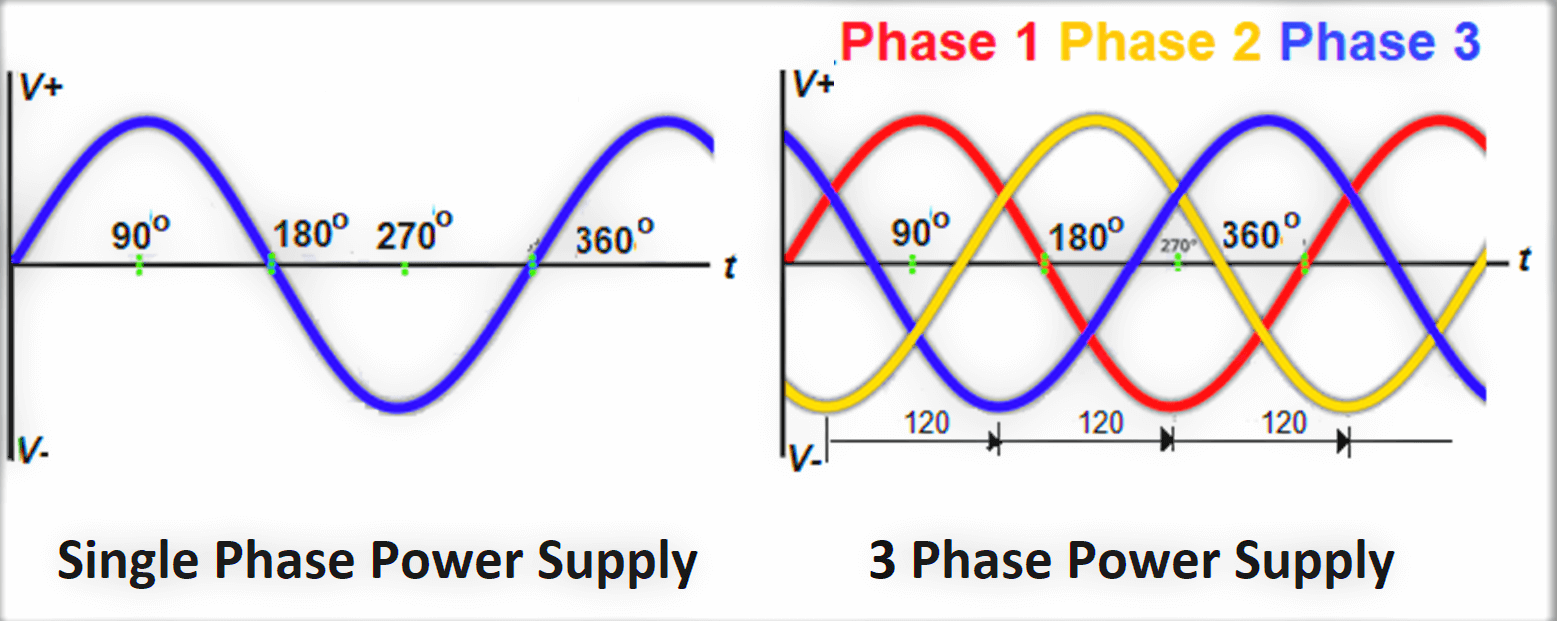
Three-phase delivers considerably more power than single-phase. That's because it utilizes three separate alternating currents. These currents are offset from each other by 120 degrees.
This creates a constant and consistent power flow. Think of it like rowing a boat with three people instead of one. It is so much faster!
Single-phase, with its single alternating current, has a fluctuating power flow. It pulses on and off more noticeably.
Efficiency: Get More Bang for Your Buck
Three-phase is more efficient. It minimizes power loss during transmission. This is important when powering large industrial operations.
Less energy wasted means lower running costs! It's like getting better gas mileage in your car.
Single-phase is less efficient, especially when dealing with larger loads. Some energy is lost in the process as the power fluctuates.

Applications: Right Tool for the Job
Single-phase is perfect for residential and light commercial applications. Homes, small offices, and retail shops are all suitable for this system.
It's readily available and generally cheaper to install in these settings. Your household appliances will work just fine.
Three-phase is ideal for industrial and heavy commercial applications. Factories, manufacturing plants, and large data centers require this heavy-duty power.
Visualizing the Difference
Imagine a single wave versus three waves working together. A single wave is single-phase; three coordinated waves are three-phase.
The three waves create a constant force. The single wave can be powerful, but it's not as consistent.
This constant force in the three-phase system makes it suitable for equipment that demands a smooth and reliable power supply.
Is Three-Phase Ever Used at Home?
While rare, it's possible to have three-phase power in a residential setting. This is generally only necessary for large homes with very high power demands. Perhaps someone with a serious hobby like industrial-grade pottery.
Electric vehicle chargers are becoming more powerful. Three-phase might become a consideration in some homes in the future.
However, for most households, single-phase is more than sufficient.
The Entertainment Factor: Why Should You Care?
Okay, okay, electricity might not seem inherently "entertaining". But think about it! Understanding the basics empowers you.
Knowing the difference between single-phase and three-phase gives you a glimpse into the complex world of electrical engineering. It's the magic behind the scenes.
It also helps you appreciate the infrastructure that powers our lives. Understanding the fundamentals may even help you troubleshoot minor electrical issues at home!
Think of it Like This:
Single-phase is like a bicycle. It's great for getting around town on your own.
Three-phase is like a freight train. It can haul massive loads across long distances. The two are similar in principle, but very different in scale and operation.
Each has its purpose and its own set of advantages.
Beyond the Basics: A Few Extra Tidbits
The voltage levels are different for single-phase and three-phase systems. The exact voltage can vary depending on the location and application.
Safety is paramount when dealing with electricity. Always consult a qualified electrician for any electrical work. Do not try DIY projects!
The frequency of the alternating current is also important. In most of North America, it's 60 Hz, while in many other parts of the world, it's 50 Hz.
So, Which One is "Better"?
Neither single-phase nor three-phase is inherently "better." They are simply designed for different purposes.
The "best" choice depends entirely on the specific power requirements. What's best for a home is not best for a factory.
Choosing the right system ensures efficiency, reliability, and safety.
Ready to Learn More?
Hopefully, this has piqued your interest in the world of electrical power. There's so much more to explore!
From transformers to circuit breakers, the electrical system is a fascinating web of interconnected components. Feel free to research more or search for an electrician.
So next time you flip a switch, take a moment to appreciate the power behind it all. It just might spark a new interest!