
What Is Coal Fired Power Plant
Ever flicked a light switch without a second thought? Or charged your phone while scrolling through cat videos? Most of us do, pretty much all day, every day! Electricity is like that trusty friend who’s always there, humming quietly in the background, making our lives wonderfully convenient. But have you ever stopped to wonder where all that magical juice actually comes from?
Today, we're going to peek behind the curtain at one of the OG (original generator) sources of our power: the coal-fired power plant. Don't worry, we're not diving into super complex science! Think of it more like a friendly chat over a cuppa, learning about how a massive, industrial-sized kitchen kettle helps power our world.
So, What's the Big Idea with a Coal-Fired Power Plant?
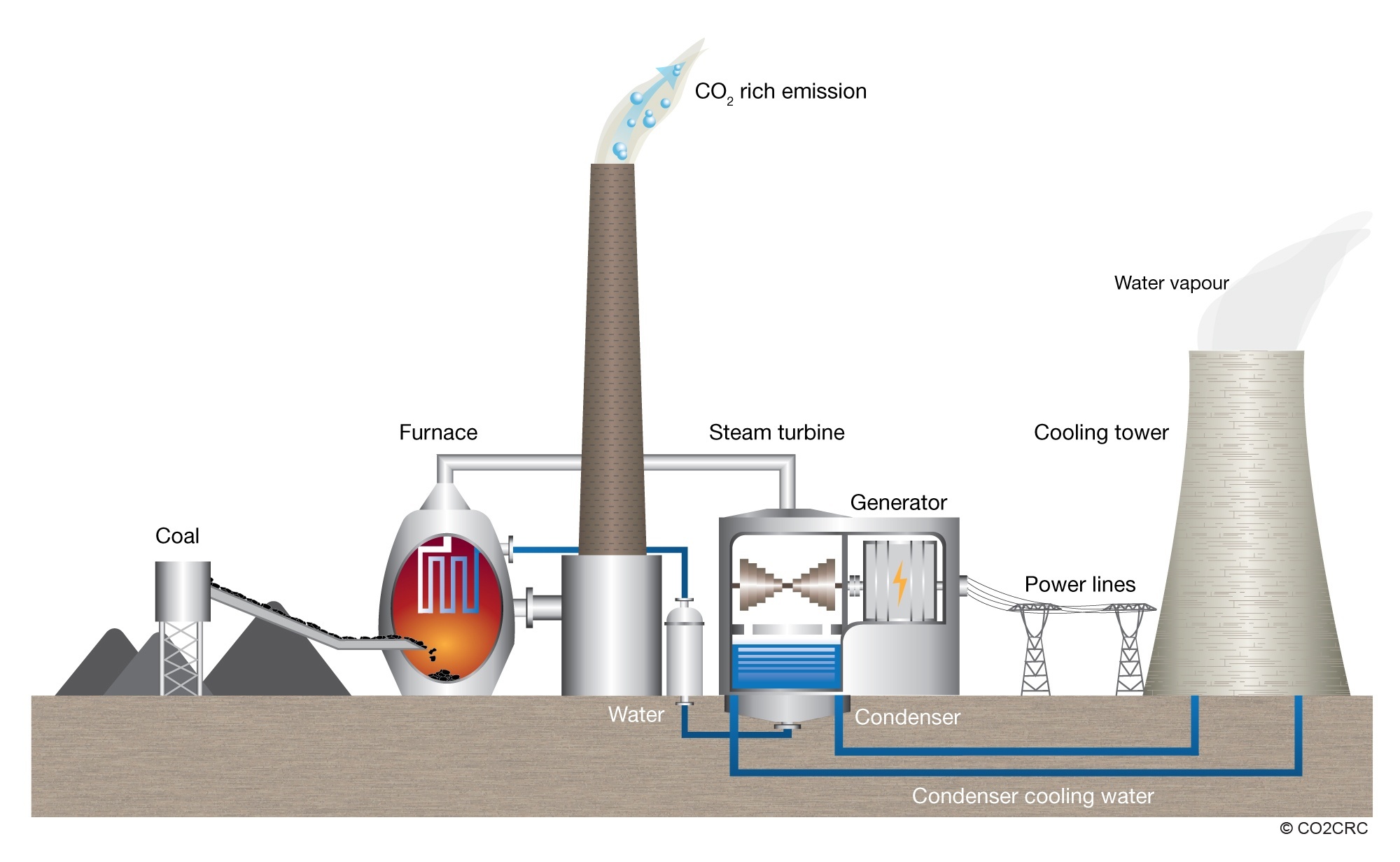
At its heart, a coal-fired power plant is doing something incredibly simple, but on a colossal scale. Imagine a giant, super-strong pressure cooker. Its main job? To boil water. Yes, really! Just like you boil water for your morning tea, but instead of a tiny flame, they use… you guessed it, coal.
Must Read
Here’s the basic recipe, in four easy steps:
- You take a whole lot of coal.
- You burn it to create tremendous heat.
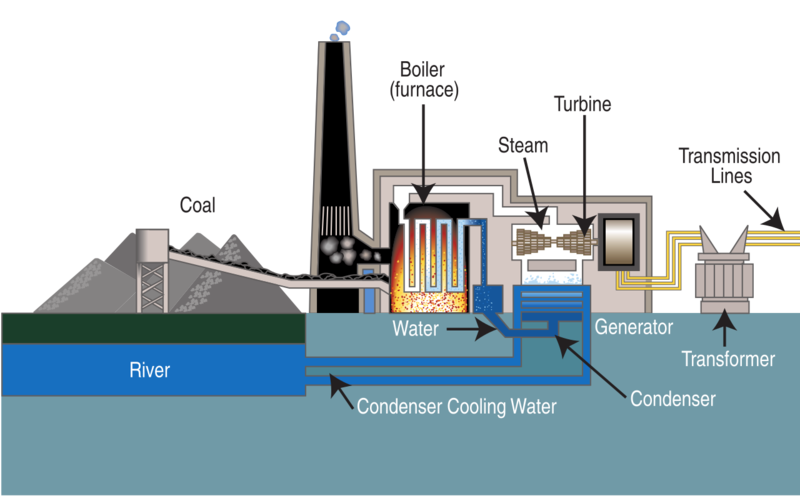
- That heat boils water, turning it into super-hot, high-pressure steam.
- That steam then spins a big fan (called a turbine), which is connected to a fancy magnet machine (a generator) that makes electricity!
And voilà! That electricity then gets sent out through power lines to light up our homes and screens.
Let's Talk About Coal: Our Ancient Energy Bar
What exactly is coal? It’s basically fossilized sunshine! Millions of years ago, when dinosaurs roamed, huge swamps were full of lush plants. When these plants died, they got buried under layers of earth, squashed and baked over eons. All that pressure and heat transformed them into the black, rocky stuff we call coal. Think of it as nature's super-compacted, prehistoric energy bar, ready to release its stored-up energy when burned.
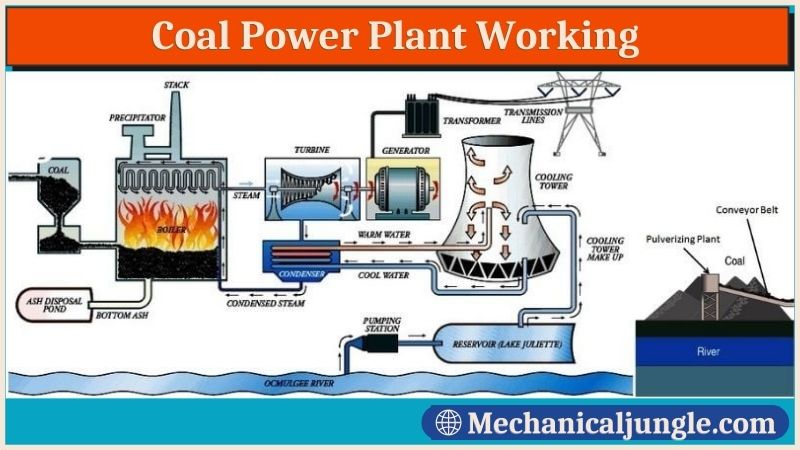
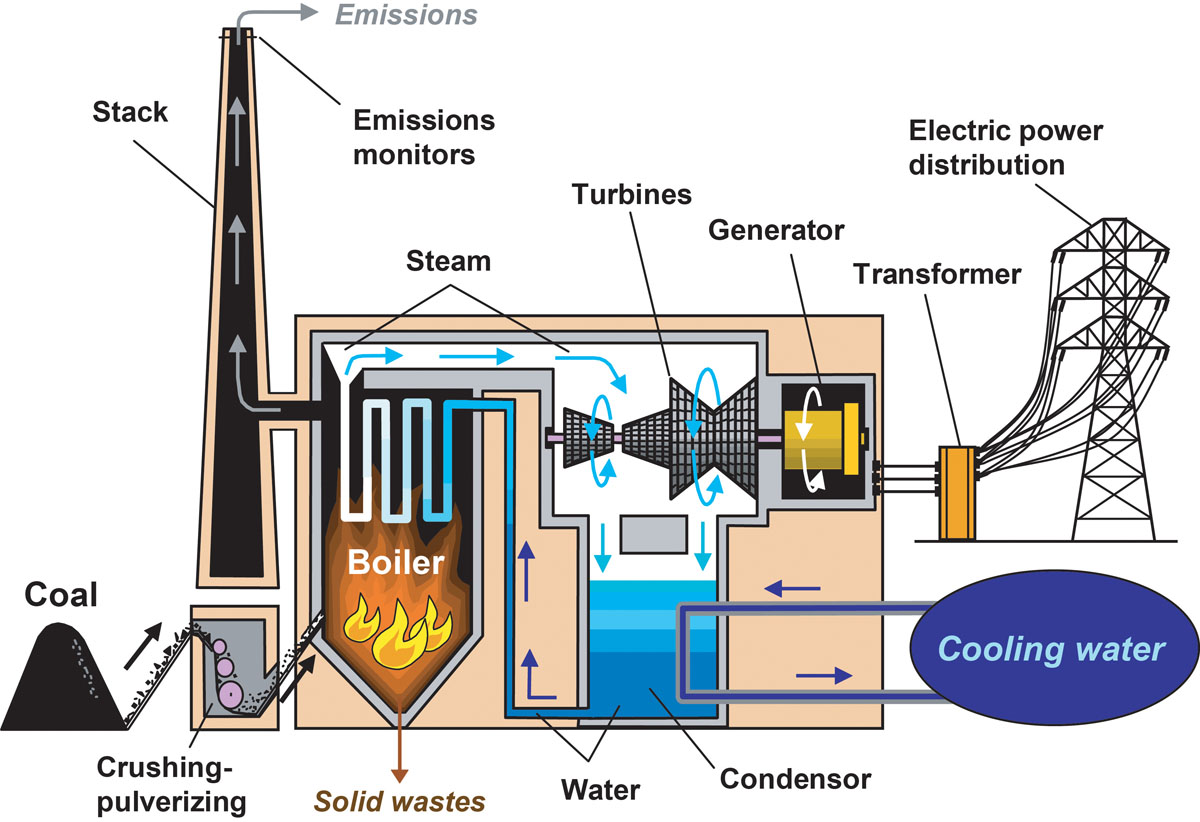
When this ancient "energy bar" arrives at the power plant, it's usually ground into a fine powder, almost like flour. This makes it burn more efficiently, turning it into a roaring fire that heats massive boilers full of water.
The Steam Power Party!
Once that water is boiled into super-hot steam, things get exciting. This steam isn't just fluffy clouds; it's incredibly powerful, under immense pressure. Imagine the steam escaping from a whistling kettle, but magnified a million times! This powerful steam is directed towards a turbine, which looks a bit like a giant, multi-bladed propeller.

The steam pushes against the turbine blades, making them spin incredibly fast. And what's attached to this spinning turbine? A generator. If you've ever seen a bike light powered by a dynamo, you've seen a tiny generator in action. A power plant generator is just that concept scaled up to epic proportions – it uses magnets and coils of wire to convert the spinning motion into a surge of electrical current.
From there, transformers boost the voltage, and the electricity starts its long journey through transmission lines to our neighborhoods, eventually reaching our outlets.
So, Why Should We Care About This Fiery Process?
Okay, so now you know the basics. But why should you, a regular person who just wants their Wi-Fi to work, care about big industrial kettles and ancient energy bars?
Well, coal-fired power plants have been the backbone of our electrical grids for a very long time. They're reliable; you can usually count on them to produce electricity 24/7, regardless of whether the sun is shining or the wind is blowing. For many years, they were also a relatively inexpensive way to produce lots of power, powering our industrial revolutions and bringing electricity to millions.
But here’s the rub, and it’s a pretty significant one. While they're great at making electricity, burning coal also releases a few things we'd rather keep out of our air. The biggest concern is carbon dioxide (CO2). CO2 is a greenhouse gas, and too much of it traps heat in our atmosphere, leading to climate change. Think of it like wearing too many sweaters on a hot day – the planet just starts to feel a bit too toasty.
Besides CO2, burning coal can also release other pollutants into the air, like sulfur dioxide and nitrogen oxides, which can contribute to smog and acid rain. It's like your car's exhaust, but on a much, much larger scale, puffing out plumes that can affect air quality and even our health.
Understanding where our power comes from, including coal, helps us appreciate the journey of our electricity and the impact it has. It reminds us that every time we plug something in, there's a whole chain of events that makes it possible, and these events have consequences.
Looking Ahead
Knowing all this isn't about feeling guilty every time you switch on a light! It's about being informed. Many countries, including ours, are actively working to reduce their reliance on coal and embrace cleaner, renewable energy sources like solar and wind power. These "cleaner cousins" make electricity without the hefty CO2 emissions.
Coal-fired power plants have played a monumental role in powering our modern world. They've lit our cities, run our factories, and allowed us to binge-watch countless TV shows. But as we become more aware of our planet's health, understanding their function and their environmental footprint helps us appreciate the shift towards a more sustainable energy future. So, the next time you plug something in, give a little nod to the fascinating, fiery, and evolving world of electricity generation!