
What Is Coal Energy Used For
Ever stop to think about coal? Probably not much, right? It often gets a bad rap, whispered about in hushed tones like a distant, slightly embarrassing relative.
We talk about solar panels and wind turbines, which are fantastic, truly. But deep down, in the gritty, unseen corners of our modern world, coal is still doing a surprising amount of heavy lifting.
Today, we're going to peek behind the curtain. We'll explore what this ancient rock actually powers. Brace yourself for some truth bombs, delivered with a playful wink!
Must Read
Keeping the Lights On (and Your Fridge Cold)
Let's be honest, when you flick a switch, you expect light. Instantly. No questions asked. You probably don't picture a lump of black rock, do you?
Yet, for a huge chunk of the world, that instantaneous light, that humming fridge, that charging phone – it all starts with coal. It’s the undisputed heavyweight champion of electricity generation in many places.
Imagine your morning routine. Alarm clock buzzes (powered by electricity!). Coffee maker whirs. Toaster pops. All these little miracles often trace their roots back to the fiery heart of a coal-fired power plant.
This is where my "unpopular" opinion starts to simmer. We champion renewable energy, and rightly so! But sometimes, we conveniently forget the sheer, industrial scale at which coal still keeps our daily lives humming.
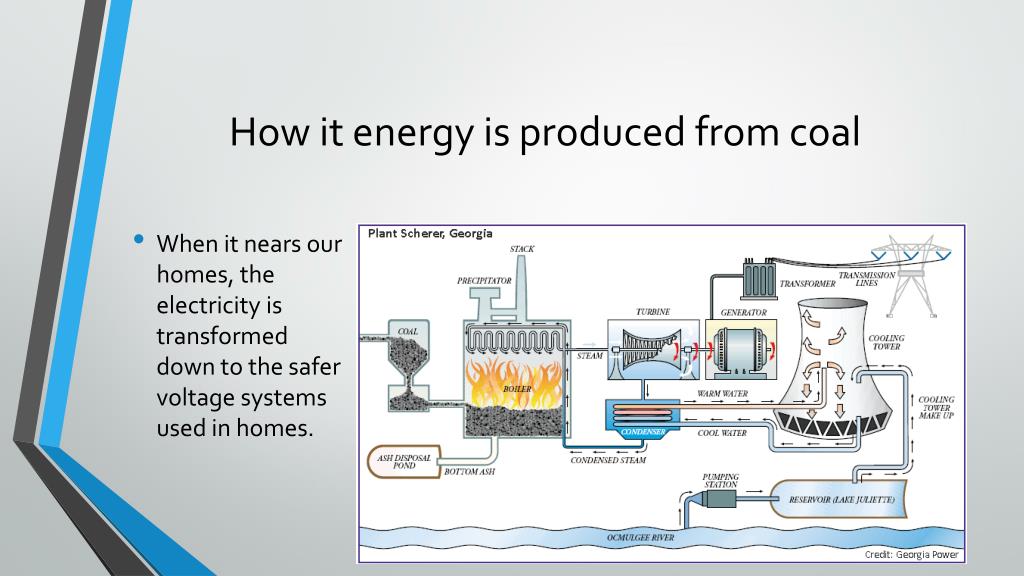
It’s a simple process, really. You burn the coal. It heats water into super-hot steam. That steam spins enormous turbines. Those turbines then generate electricity.
From the blink of your computer screen to the warmth of your heated home, coal energy is often quietly fueling the infrastructure we take for granted. It’s like the reliable, slightly grumpy stagehand ensuring the show goes on.
So, next time your favorite streaming service loads instantly, give a tiny, almost imperceptible nod to that humble rock. It might just be the unseen hero behind your binge-watching marathon.
Millions of homes and businesses rely on it daily. It's a foundational pillar. Even as we shift, its presence is profound.
Think about it: your entire digital life, from social media to online banking, needs constant power. A significant portion of that comes from this fossil fuel. It’s not just big factories; it’s your tiny laptop too.
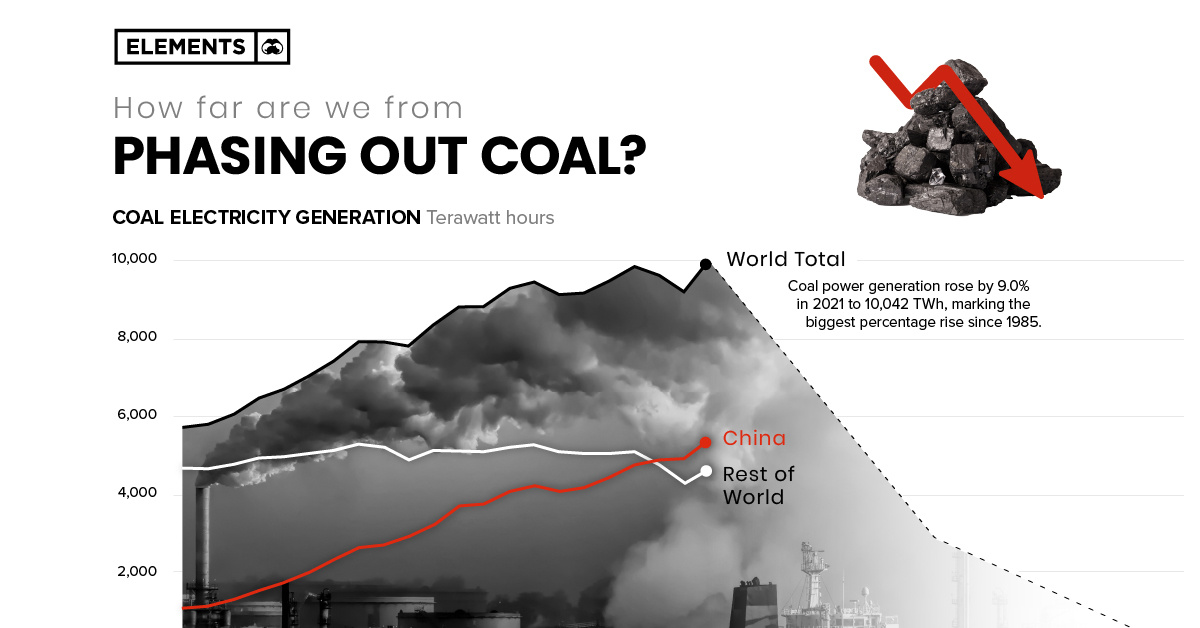
The sheer demand for energy is astronomical. Coal offers a robust, continuous supply. It’s always there, ready to burn.
This persistent role highlights an interesting truth. While we aspire for greener grids, the current reality still involves a lot of coal. It’s a transition, not an instant flip.
So, the next time you plug in your phone, remember that ancient carbon. It might be quietly working overtime to keep your battery icon full.
Strong Bones for a Strong World: Making Steel
Beyond electricity, coal has another incredibly vital, yet often overlooked, job. It helps build the very bones of our modern world. I’m talking about steel.
Look around you. Your car, that skyscraper outside, the bridge you drove over this morning, even the cutlery in your kitchen – all likely contain steel. And much of that steel owes its strength to coking coal.
This isn't just any old coal. Coking coal is specially processed into something called coke. This coke is absolutely crucial in the blast furnaces that turn iron ore into iron, and then into steel.
It’s not just a fuel here; it’s a chemical agent. It removes oxygen from the iron ore. This creates the pure iron needed to forge strong steel.
Without coke, producing steel at the scale and quality we need would be incredibly difficult, if not impossible, with current technologies. It’s a foundational ingredient.
Imagine a world without modern steel. No towering bridges, no resilient car chassis, no durable tools. Our infrastructure would look vastly different.

So, that shiny new appliance in your kitchen? The strong frame of your bicycle? They probably have a bit of coal's magic baked right into their very structure.
This is another one of those "unpopular" truths. We often associate coal only with dirty power plants. But its role in creating essential materials is equally, if not more, pervasive.
It's the unsung hero of heavy industry. It helps create the metals that literally hold our cities together.
Every time you see a crane lift a steel beam, remember the intense heat. Remember the chemical reactions. These were likely kickstarted by a specific type of coal.
It's not just energy; it’s an indispensable ingredient. A transformative element. It turns humble earth into powerful metal.
So, next time you marvel at a modern skyscraper, spare a thought for the unassuming lump of coking coal. It was probably there at the very beginning, making the steel possible.
Building Blocks of Civilization: Cement and Other Industrial Stuff
If steel forms the bones, then cement forms a huge part of the muscle and skin of our modern world. And guess what often provides the intense heat needed to make cement? You guessed it: coal!
Cement is the binding agent in concrete. Concrete builds our roads, our sidewalks, our houses, and countless other structures. It's literally everywhere.
Making cement involves heating limestone and other materials to incredibly high temperatures in giant rotating kilns. We're talking about temperatures over 1,450 degrees Celsius (2,640 degrees Fahrenheit!).
That kind of heat takes a lot of energy. Coal is a cheap and abundant source for this. It’s incredibly efficient at generating the sustained, high temperatures required.
So, that solid foundation under your feet? The sturdy walls of your apartment building? A significant portion of them were made possible by the burning of coal.
It’s not just cement, either. Many other industrial processes rely on coal for heat. Factories producing chemicals, paper, textiles, and even some food products often use coal boilers.
It provides consistent, controllable heat on an industrial scale. This makes it a go-to fuel for many manufacturers worldwide.
It’s the hidden power behind a vast array of goods we use every single day. From the clothes on your back to the packaging on your groceries, coal might have played a role.
This widespread, behind-the-scenes use is truly astonishing. It underscores how deeply integrated this ancient fuel is into our global economy and daily comforts.
Think of the vast quantities of materials produced globally. Each requires energy for processing. Coal provides a reliable, cost-effective solution for many of these industrial giants.
So, the next time you walk on a paved road, or admire a sturdy concrete building, remember that often, the very first step in its creation involved a lot of fiery coal power. It truly builds our world.
It's the fundamental energy source for so many heavy industries. A silent, powerful workhorse.

The Unsung, Gritty Hero (or Villain?): My "Unpopular" Take
So, we've seen coal keeping our lights on, making the steel for our cars, and even helping build our very homes. It’s quite the multi-tasker, isn’t it?
Now, nobody is saying coal is perfect. We all know about the environmental concerns, the carbon emissions, and the need for cleaner alternatives. These are absolutely critical discussions.
But here’s my "unpopular" opinion, delivered with a smile:
You complain about coal, but your fancy smartphone, your sturdy car, your reliable electricity, and even your morning toast might owe a little something to its ancient, gritty power. Oops!
It’s easy to dismiss coal as something "bad" or "old-fashioned." But the truth is, it’s still profoundly woven into the fabric of our modern, technologically advanced lives.
It’s the quiet, often-maligned workhorse that has powered our progress for centuries. And it still does, in surprising ways.
So, perhaps instead of just scowling at the mention of it, we can acknowledge its enduring, if sometimes inconvenient, role. It’s part of our story, whether we like it or not.
The journey away from coal is vital. But understanding its current uses helps us appreciate the scale of that transition. It’s a massive undertaking.
Until then, let’s chuckle a little at the irony. The ancient rock still has its hands, or rather its heat, in so many of our everyday comforts.
It's a testament to its raw energy. A reminder of how intertwined our past and present truly are.