
What Is Chopper In Electronics
Alright, let's talk about choppers! No, no, not the kind with loud engines or spinning blades in the sky, though those are pretty cool too. We're diving into the secret, often unsung heroes of the electronic world. Ever heard of an electronic chopper and thought, "Huh? Is that some kind of kitchen appliance for wires?" Well, you're not alone! But get ready, because understanding these little marvels is like uncovering a hidden superpower that makes our modern lives so much smoother and, dare I say, more fun!
So, What Is a Chopper in Electronics?
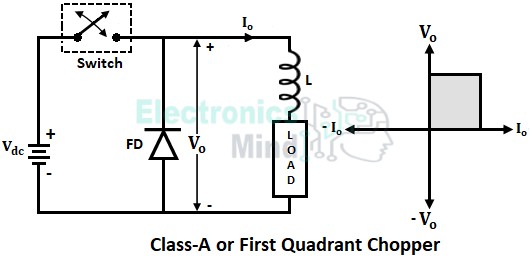
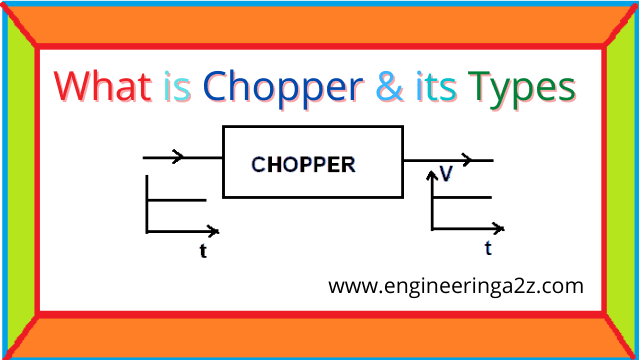
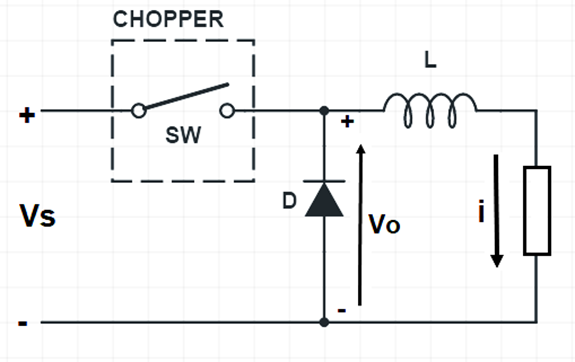
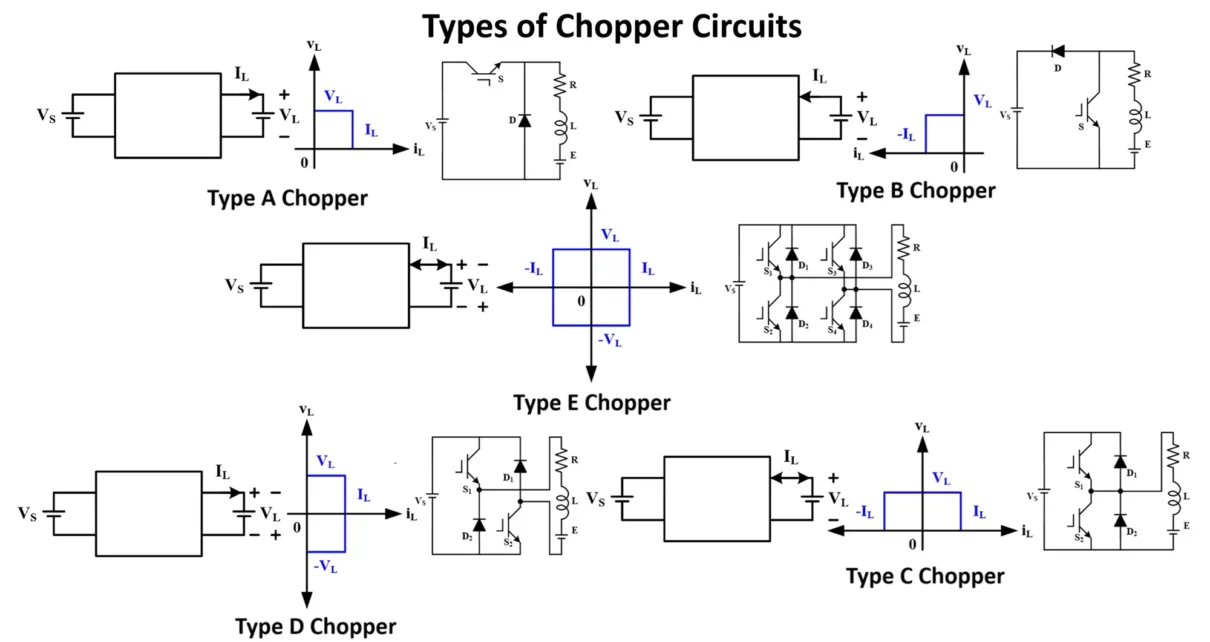
At its heart, a chopper is essentially a super-fast electronic switch. Think of it like a light switch, but one that can flip on and off thousands, even millions, of times a second! Its main job? To take a steady direct current (DC) voltage and "chop" it into pulses. Why would we want to do that, you ask? Because by chopping it, we can magically transform that voltage into different levels, or even control how much power goes to something.
Imagine trying to fill a bucket with water from a steady, high-pressure hose. If you want less water, you could turn down the main tap, right? But what if you only have an ON/OFF valve? A chopper is like rapidly flicking that ON/OFF valve. The faster you flick it, or the longer you leave it "on" during each flick, the more water (or power!) gets through. It's all about timing and control.
Must Read
Why Do These Choppers Matter? (Hint: Efficiency & Control!)
Here’s where it gets really good. Before choppers became widespread, if you wanted to change the voltage or power from a DC source, you'd often have to use a big, bulky resistor. And guess what resistors do when they're "resisting" power? They turn it into heat. That's wasted energy, my friend! Not very efficient, and certainly not green.
Choppers, on the other hand, are incredibly efficient. Because they're just switching power on and off, they waste very little energy as heat. This means your devices run cooler, your batteries last longer, and less energy is pulled from the grid. Pretty neat, right? It's like having a magic little energy-saver working behind the scenes.
Choppers Making Life More Fun? Absolutely!
You might be thinking, "Okay, cool, efficiency. But how does that translate to fun for me?" Oh, let me count the ways! These tiny, silent choppers are the unsung heroes enabling so many of the gadgets and experiences we love:
Dimmer Lights: Ever set the mood with beautifully dimmed lights in your living room? Thank a chopper! It's precisely controlling the power to your LED bulbs, not just burning off excess energy.
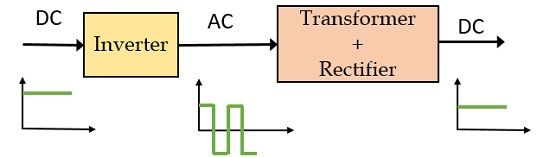
Electric Vehicles: The smooth, powerful acceleration of an electric car? Choppers (or more complex versions called inverters, which use chopper principles!) are expertly managing the power flow from the battery to the motor. No choppiness here, just smooth sailing!
Your Smartphone Charger: Want your phone to charge quickly and safely? Choppers ensure that the right amount of power, at the right voltage, is delivered to your precious device, protecting its battery and getting you back to scrolling through cat videos faster.
Portable Gadgets: From your Bluetooth speaker to your gaming handheld, choppers help extend battery life by efficiently converting power to exactly what each internal component needs. Less charging, more playing!
Renewable Energy Systems: Solar panels produce DC power, but it's often not at the exact voltage needed or fluctuates with sunlight. Choppers step in to efficiently convert and stabilize that power, making our green energy systems more effective and reliable. That's fun for the planet!
The Magic of Pulse Width Modulation (PWM)
The secret sauce behind a chopper's versatility is often something called Pulse Width Modulation (PWM). Don't let the fancy name scare you! It just means that by changing how long the "on" pulse lasts compared to the "off" pulse within each cycle, you can precisely control the average power delivered. Think of it as adjusting the duty cycle – how much "work" it's doing versus how much it's resting. Longer "on" time means more power; shorter "on" time means less. It's ingenious in its simplicity and incredibly powerful in its application!
So, the next time you dim your lights, plug in your phone, or marvel at the silent speed of an electric car, remember the humble electronic chopper. It's not just a technical component; it's a testament to human ingenuity, making our devices smarter, our energy cleaner, and our lives just plain better.
Isn't it amazing how a seemingly simple concept like "switching things on and off really fast" can unlock so much potential? The world of electronics is full of these clever solutions, hidden in plain sight, just waiting for us to discover and appreciate them. So, keep that curiosity alive! Who knows what other fascinating secrets you'll uncover that make life a little more magical?