
What Is Central Heat And Air
Ever walked into a home and just felt… right? Not too hot, not too cold, just that perfect, invisible envelope of comfort? Chances are, you were experiencing the quiet magic of central heat and air. It’s one of those modern marvels we often take for granted, humming along in the background, making our lives infinitely more pleasant.
But what is this mysterious force, really? And why is it such a big deal?
Your Home's Personal Climate Control Wizard
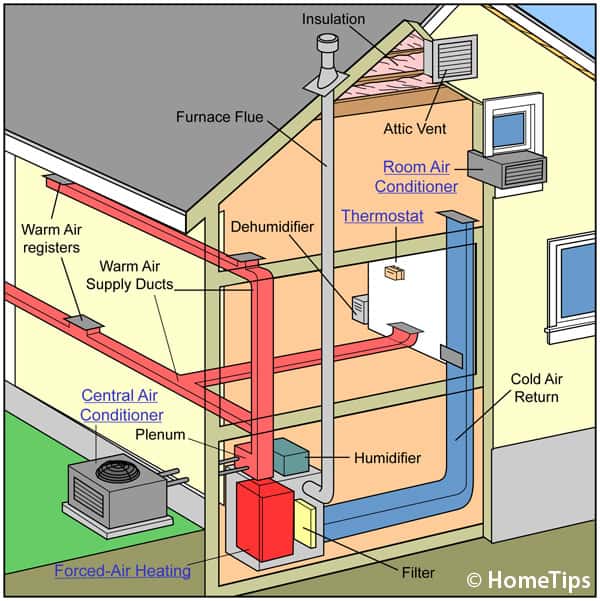
Imagine your house as a living, breathing entity. In that analogy, central heat and air is like its lungs and circulatory system, constantly working to keep the internal environment just right. Instead of having separate little heaters in one room and a clunky window AC unit rattling in another, central heat and air is one big, integrated system. It handles both the warming up and the cooling down for your entire home from a single, centralized point.
Must Read
Think about it: no more wrestling with heavy window units every spring and fall. No more tripping over space heaters or huddling around a single vent. With central heat and air, you set a temperature on a single thermostat, and the system swoops in like an invisible comfort superhero to make sure every corner of your living space feels just the way you like it.
The Invisible Orchestra: How It Works (Simply!)
Sound a bit like magic? In essence, it’s remarkably clever engineering. At its heart, a central system usually has two main parts, often working in tandem:
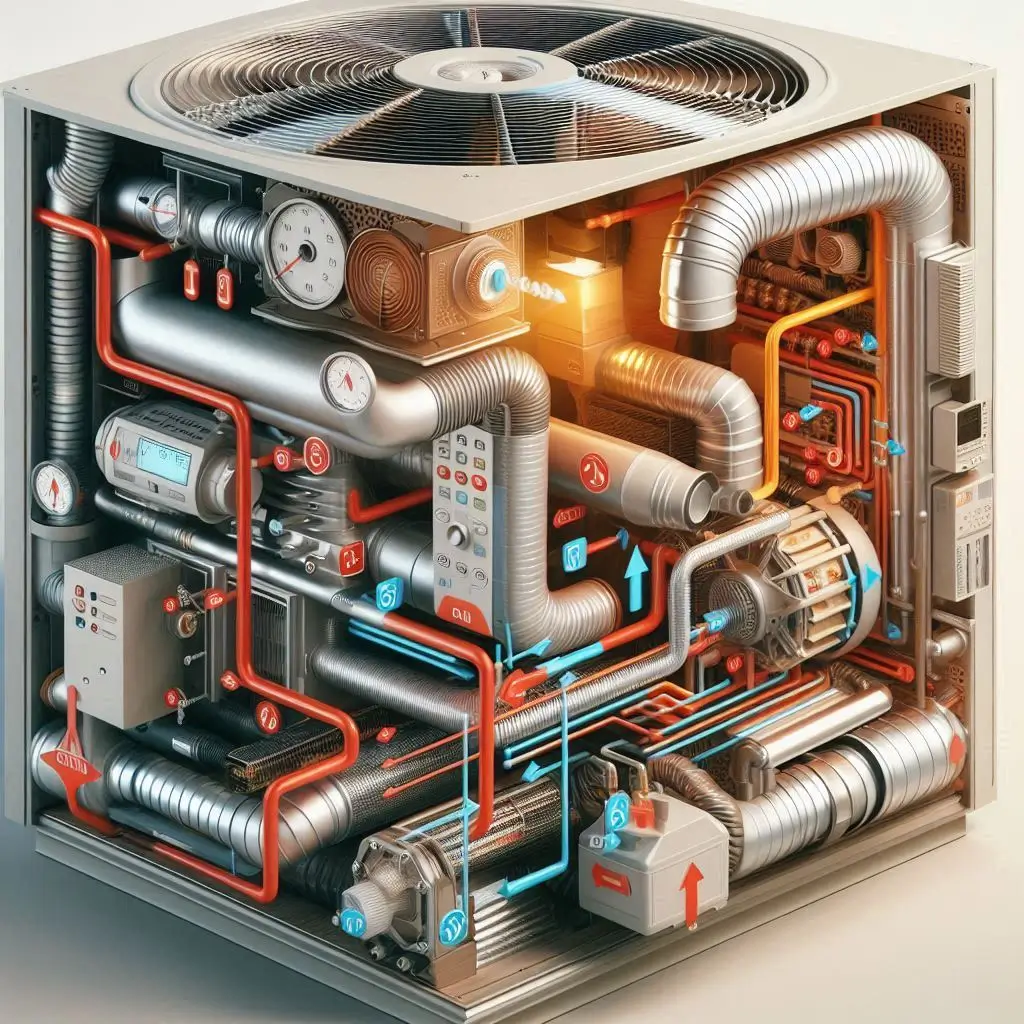
First, there's the indoor unit, often called a furnace (for heating) or an air handler (for AC, or both). This is usually tucked away in a closet, attic, or basement. It's the engine that either heats air (often by burning natural gas or using electric coils) or cools it (using a refrigerant, similar to your fridge).
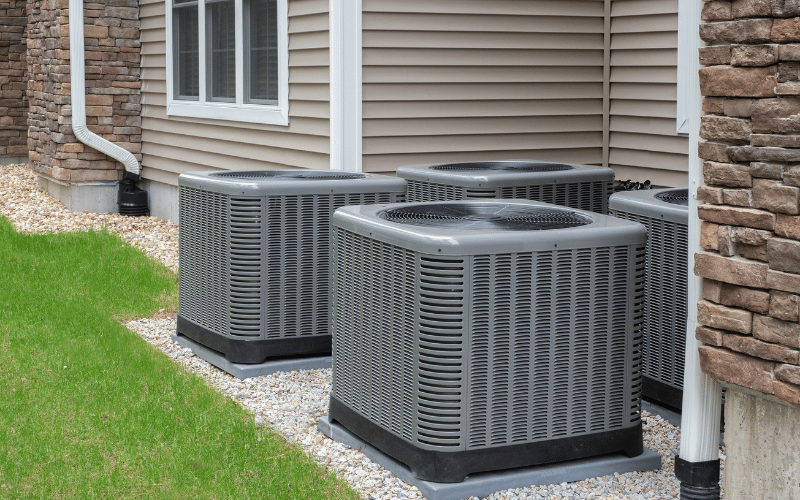
Then, for cooling, there's the outdoor unit – that big, often noisy box with a fan you see outside many homes. This is the air conditioner's compressor and condenser, and it’s responsible for releasing the heat from inside your home back into the great outdoors. Yes, that’s right, air conditioning doesn’t actually make cold air; it simply moves heat away from your indoor space! Cool, right?
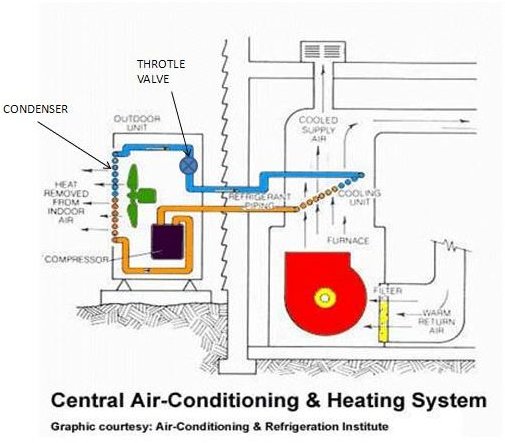
Connecting these units is a network of ductwork – those hidden tunnels and shafts running through your walls, ceilings, and floors. These are like the veins and arteries of your comfort system, silently carrying conditioned air to every room through vents, and sucking stale air back for reconditioning. And finally, the thermostat on your wall? That’s the brain, the command center, letting you tell the system exactly what you want.
Why It's So Much Cooler (and Warmer!)
So, beyond the technical bits, why is central heat and air such a game-changer? It boils down to a few key reasons that make our daily lives so much better:
1. Unmatched Comfort, Everywhere
This is arguably the biggest perk. Instead of hot spots and cold spots, central systems aim for uniform comfort. Imagine your entire house wrapped in a perfectly regulated blanket – that’s the feeling. No more shivering in the kitchen while sweating in the living room. Just consistent, delightful temperatures from room to room.
2. Effortless Control, Set It and Forget It
With a modern thermostat (especially a smart one!), you can program your home's temperature to suit your schedule. Wake up to warmth, cool down before you even get home from work. It’s like having a personal climate assistant that anticipates your needs. No more individual adjustments in every room; one touch, and the whole house responds.
3. Cleaner Air, Healthier Home
Another often-overlooked benefit is air quality. Central systems incorporate air filters. As air circulates through the ducts, these filters capture dust, pollen, pet dander, and other airborne particles. This means the air you’re breathing is cleaner, which is a huge bonus, especially for allergy sufferers. It’s like giving your house a refreshing, deep breath.
:max_bytes(150000):strip_icc()/what-are-central-air-conditioners-1152645_V2-390c6f1f6ca14b4ebc59426f226a78a8.png)
4. Aesthetic Appeal and Space Saving
Let's be honest, individual window units or bulky space heaters aren't exactly interior design masterpieces. Central heat and air systems are largely hidden from view. The magic happens behind the scenes, leaving your windows clear, your floor space open, and your home looking sleek and uncluttered. It’s the ultimate in invisible convenience.
5. Generally More Energy Efficient (Compared to the Alternatives)
While energy efficiency varies greatly by system type and age, a well-maintained central system is typically more efficient at heating or cooling an entire home than running multiple individual units. It’s a holistic approach, often designed to maximize output for minimal energy input, especially with newer, high-efficiency models. It’s like having one powerful, intelligent engine for your home's climate, rather than several small, less coordinated ones.
The Unsung Hero of Home Comfort
So, the next time you walk into a house that feels just right, take a moment to appreciate the unsung hero working silently in the background: central heat and air. It’s more than just machinery; it’s a system designed to enhance your well-being, providing effortless comfort, cleaner air, and a beautifully consistent environment. It truly is one of the most delightful innovations for modern living, making our homes the sanctuaries they’re meant to be, no matter what the weather is doing outside.