
What Is Btu On Air Conditioner
Hey there! Grab a coffee, pull up a chair. Let's talk about something that probably pops up on your radar right about when the summer sun decides to turn your living room into a sauna: that mysterious "BTU" thing on your air conditioner.
Sounds super techy, right? Like something out of a complicated engineering textbook or, I don't know, a secret spy code? You're not alone. Most of us just want cool air, and we just kind of nod when we see those letters, hoping for the best.
What Even Is a BTU?
Okay, deep breath. BTU stands for British Thermal Unit. Yeah, British. Don't ask me why it's not American or even just "Heat Unit," but here we are!
Must Read
Basically, a BTU is just a unit of measurement. Think of it like a calorie for heat. Instead of measuring the energy in your snack, it measures thermal energy. Specifically, it's the amount of heat energy needed to raise the temperature of one pound of water by one degree Fahrenheit. Wild, huh?
So, when we talk about ACs, we're talking about their ability to remove heat. Your air conditioner isn't actually making cold air; it's a super-efficient, heat-transferring ninja that's kicking hot air out of your house and replacing it with the air it just cooled down. Pretty neat, right?
BTU and Your AC: The Cooling Power
Now, when you see an AC unit advertised with, say, "12,000 BTU," that number tells you its cooling capacity. It's essentially how much heat that unit can remove from your room in an hour. The higher the BTU number, the more heat it can tackle. Simple as that!

It's like comparing two cars. One has a small engine, one has a big engine. The one with the big engine can do more work, right? Same principle with BTUs and air conditioners.
More BTUs, More Better, Right? ...Not So Fast!
You might be thinking, "Great! I'll just get the biggest BTU number I can find then, to be safe!" And bless your heart for trying, but that's actually where things can go a little... sideways. It's not always a "more is more" situation.
Imagine buying a huge, industrial-strength snow blower for your tiny city balcony. Overkill, right? You'd blast your neighbor's cat into next week. Same idea here.
Too Many BTUs?
If your AC has too high a BTU rating for your room, it'll cool the space down too quickly. Sounds good, right? Well, not really. It means the unit will turn on, blast cold air for a super short period, and then shut off because it hit the target temperature so fast.

This is called short cycling. It's a problem because your AC doesn't just cool; it also dehumidifies. When it short cycles, it doesn't run long enough to properly pull moisture out of the air. So, you end up with a room that's cool but still feels damp and clammy. Ugh!
Plus, all that on-and-off cycling is harder on the unit, uses more energy (initial startup draws a lot of power!), and can lead to a shorter lifespan. Not ideal for your comfort or your wallet!
Too Few BTUs?
On the flip side, what if your AC has too low a BTU rating for your room? Well, that's just a recipe for endless sweating. The unit will run and run and run, trying its best, but it simply won't have the muscle to properly cool the space. It'll struggle, your energy bills will soar, and you'll still be uncomfortably warm.
It's like trying to fill a bathtub with a teacup. You'll get there eventually... maybe... but you'll be there all day!
Finding Your BTU "Sweet Spot"
So, how do you find that perfect Goldilocks zone? Not too big, not too small, but just right?
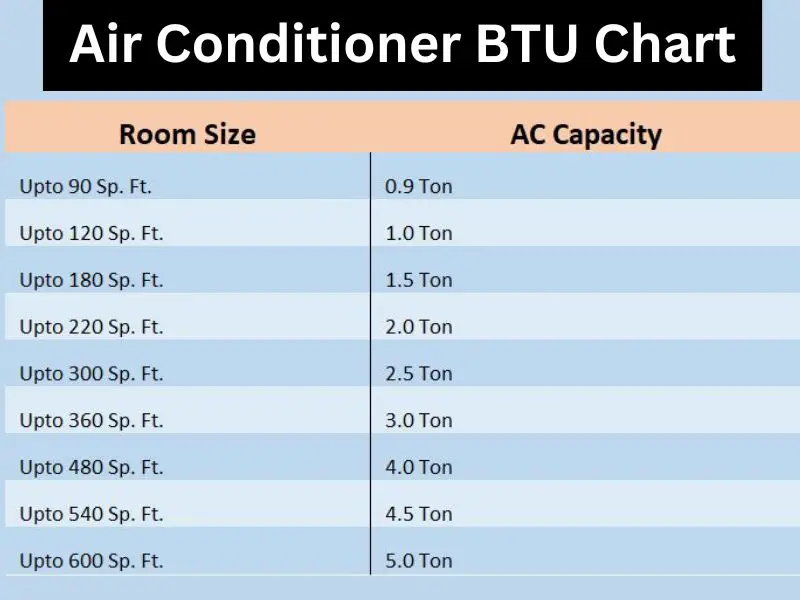
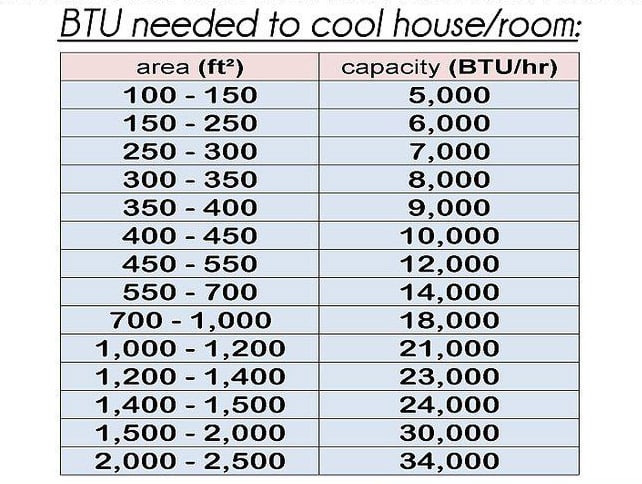
It mostly comes down to your room size. As a super rough rule of thumb, you generally need:
- 5,000-6,000 BTU for a 150-250 sq ft room (think small bedroom or office)
- 8,000 BTU for 300-350 sq ft (larger bedroom)
- 10,000 BTU for 400-450 sq ft (small living room)
- 12,000 BTU for 500-550 sq ft (medium living room)
- 14,000 BTU for 600-700 sq ft (large living room/open plan)
But wait, there's more! (Isn't there always?) You also need to consider other factors:

- Sunlight: Does your room get direct afternoon sun? Add 10% to your BTU needs.
- People: More than two people regularly in the room? Add 600 BTU per extra person.
- Kitchens: If it's a kitchen, or a room connected to one, you might need a bit more oomph to handle the heat from appliances.
- Insulation: Is your insulation amazing or, shall we say, "charming and old"? Better insulation means you might need slightly less BTU.
There are tons of online BTU calculators that make this super easy. Just punch in your room dimensions and a few details, and boom! Instant recommendation.
Why Does All This BTU Stuff Even Matter?
Because getting it right means comfort, efficiency, and a happier bank account! A correctly sized AC unit will:
- Maintain a consistent, comfortable temperature.
- Properly dehumidify the air, making it feel cooler and less sticky.
- Run efficiently, saving you money on electricity bills.
- Last longer, because it's not constantly switching on and off or overworking.
So, the next time you're looking at an air conditioner, that BTU number won't be a mystery anymore. You'll know exactly what it means for your comfort!
And that, my friend, is your BTU breakdown. Go forth and conquer those summer temps, wisely!