Alright, let's talk about brass. You see it everywhere, right? On your doorknobs, maybe a fancy lamp, even those shiny musical instruments that make delightful noises. It’s got that lovely, warm, golden glow. But have you ever stopped to wonder, really wonder, what is brass actually made of?
Now, some folks might think it's some super-secret formula, passed down through generations of ancient metallurgists. Maybe a sprinkle of moon dust, a dash of unicorn tears, and a whole lot of elbow grease. That sounds exciting, doesn't it? A bit mysterious, a touch magical. But here's where I might drop a tiny, almost scandalous truth bomb on you, a bit of an unpopular opinion, if you will.
My unpopular opinion? Brass is actually pretty simple. Like, surprisingly simple. We make a huge fuss about complicated recipes, but sometimes the best things are just two buddies hanging out.
Ready for the big reveal? Brace yourself. The primary ingredient in brass is good old copper. Yes, that reddish-brown metal you see in electrical wires or some of the older pennies. Copper is the dependable backbone of the operation. It's strong, it's a great conductor, and it brings that beautiful, warm hue to the party.
But copper can't do it all alone. Every hero needs a sidekick, right? And copper’s sidekick is zinc. Imagine zinc as the slightly quirky, silvery-white metal that shows up and adds a bit of sparkle. It’s what gives brass its golden-yellow shine, making it look a bit like gold without the gold-level price tag. Zinc also makes brass easier to work with, more malleable, and generally just a happier metal.
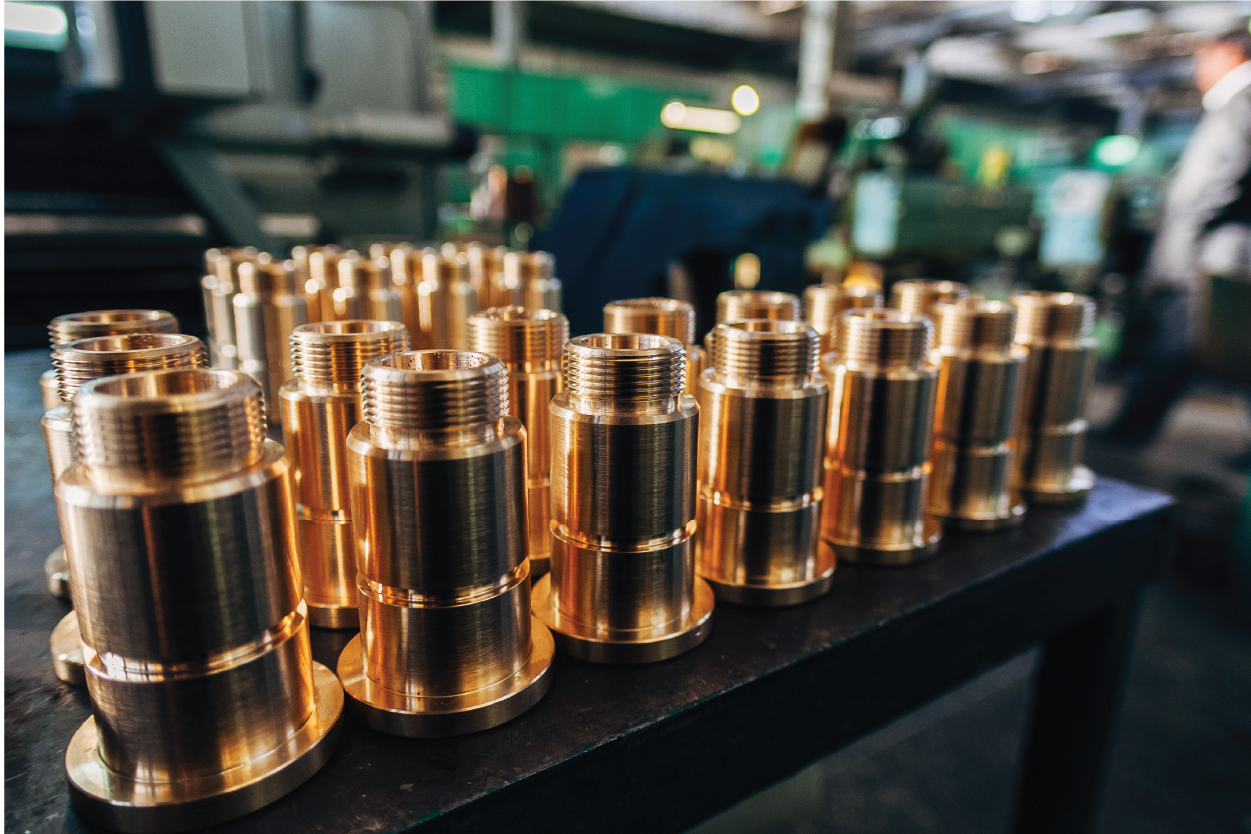
What is brass, and how is it made? | Prototek
So, there you have it. No dragons, no moon dust. Just two fantastic metals: copper and zinc. They get together in a big, hot melting pot, have a good swirl, and poof! You get brass. Told you it was simple!
More Than Just a Mix: A Beautiful Friendship
When copper and zinc blend, they don't just sit there side-by-side. They actually form what we call an alloy. Think of it like a really great friendship where two different personalities combine to create something even better. Copper brings its strength and lovely color, while zinc offers its golden sparkle and makes the whole mixture easier to shape and form.
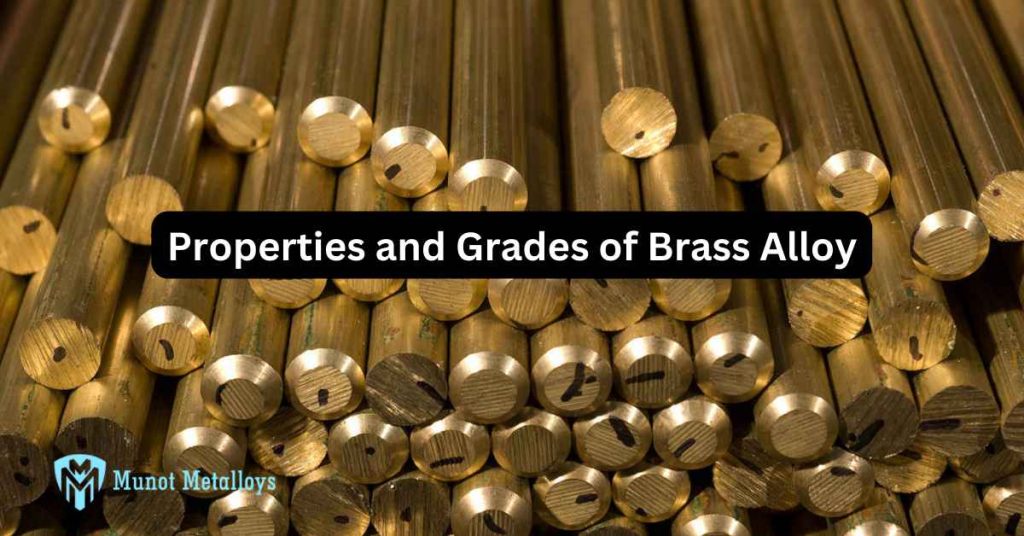
Brass Alloy Composition
The exact proportions can vary, of course. A bit more copper will give you a redder, softer brass. More zinc makes it yellower and harder. It's like tweaking a favorite cookie recipe; a little more chocolate chip here, a little less sugar there. The basic ingredients remain the same, but the outcome has delightful variations.
My continued "unpopular" thought: we often overcomplicate things. Brass proves that a simple recipe with good ingredients can lead to an incredibly versatile and beautiful result.
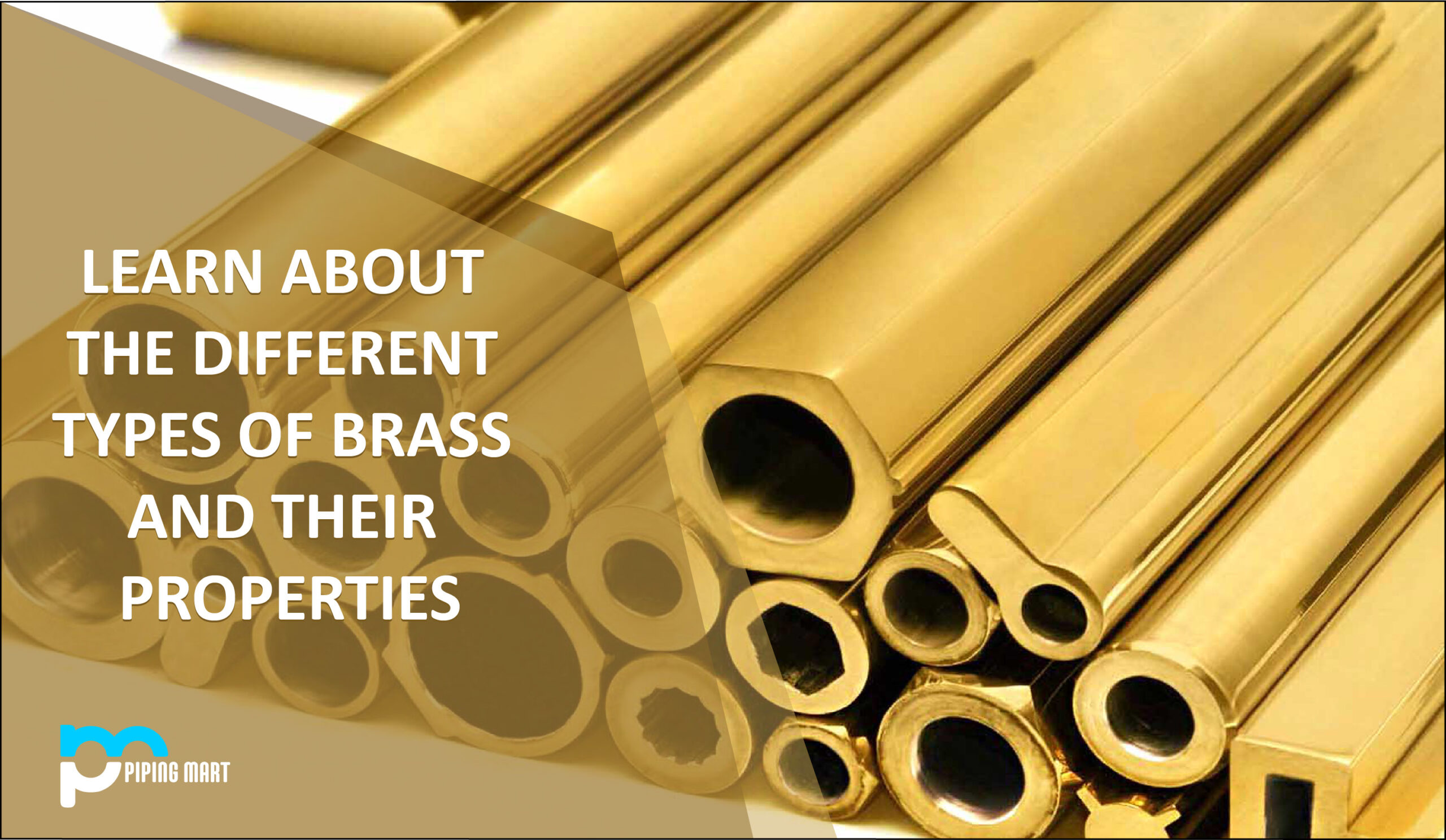
What is Brass Made up of | Composition of Brass - Tulsi Brass Industries
Why This Simple Duo Is an Everyday Hero
Because of this beautiful friendship between copper and zinc, brass has some truly fantastic qualities. It's durable, meaning it can handle a lot of wear and tear. It resists corrosion, so it won't rust away easily like some other metals. It’s also incredibly easy to cast and machine, which is why it's so popular for intricate designs.
Think about those smooth, satisfyingly heavy doorknobs. Or the way a trumpet glistens on stage. Those aren't accidents; they're the direct result of copper and zinc working together in perfect harmony. From plumbing fixtures to fancy jewelry, brass is a true unsung hero of the metal world, quietly getting the job done with style.
So next time you spot something made of brass, take a moment. Appreciate its warm glow and its sturdy nature. Remember that it's not some elaborate concoction from a wizard's lab. It's just two incredibly useful metals, copper and zinc, proving that sometimes, simplicity is truly genius. And isn't that a lovely, slightly "unpopular" thought to ponder?