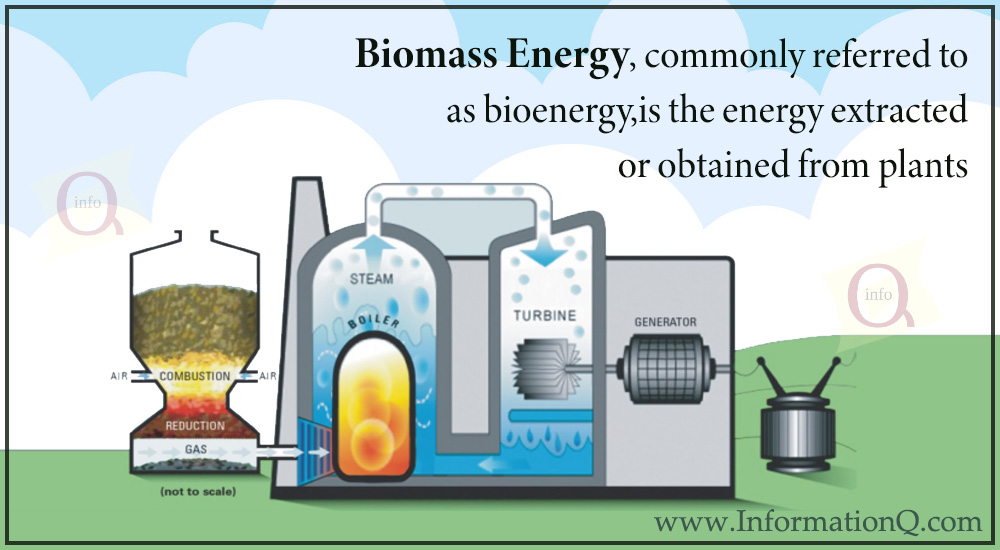
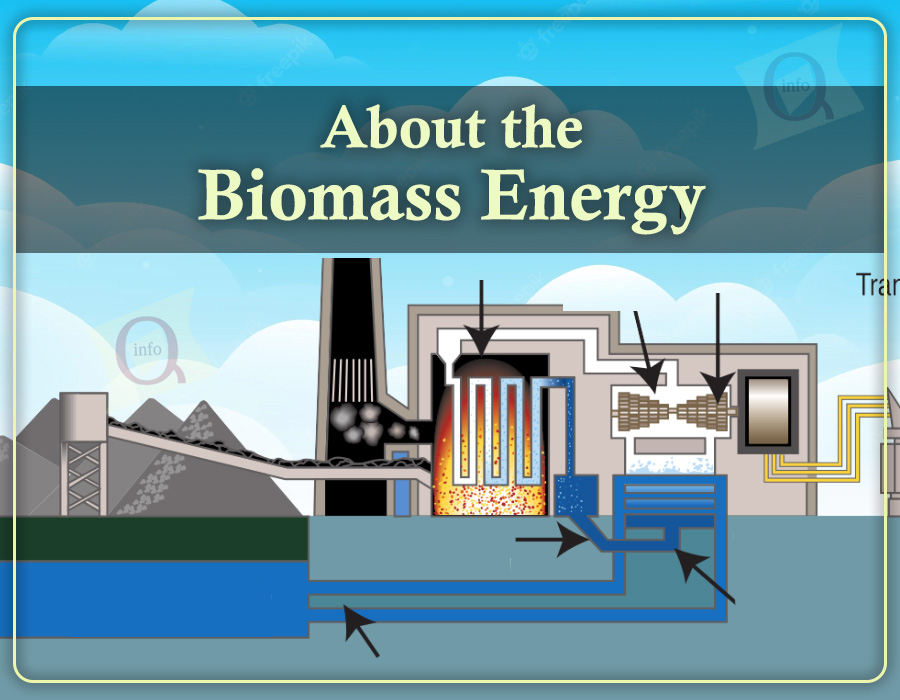
What Is Biomass Energy Made Of

Ever wonder what fuels those big, sci-fi-sounding energy plants? Like, do they secretly pipe in unicorn tears or something equally fantastical? Well, buckle up, because today we're pulling back the curtain on biomass energy. And my "unpopular" opinion? It's way less exotic than you think. You might even find its ingredients in your own backyard!
The Not-So-Secret Ingredients
So, what exactly is biomass energy made of? Prepare for a revelation that's less "mad scientist" and more "mother nature's compost pile." Yep, we're talking about things that used to be alive. Or, you know, part of something that used to be alive. Think of it as nature's ultimate recycling program. It's brilliantly simple, really.
"Wait, you mean it's not a secret formula?" Nope, not even a little bit.
First up, and probably the biggest player, is anything that grows. We're talking plants, plants, and more plants. Picture vast forests, sunny cornfields, or even just the grass your lawnmower munches on. Tree branches, wood chips, agricultural leftovers like cornstalks or rice husks – it all counts. These green guys are master sun-trappers, storing solar energy in their leafy bits. That stored energy? That's what we want!
Must Read
From Garden Waste to Power Grid?
But wait, there's more to this leafy buffet! It's not just the fresh stuff. Biomass also loves a good leftover. Think about all the wood waste from sawmills, like sawdust and wood shavings. Or the scraps from processing food – fruit peels, vegetable bits. Even paper and cardboard, which started as trees, can sometimes join the party. It's truly a celebration of things we might otherwise just throw away.
"So, my old banana peel could power a lightbulb?" In a very roundabout, industrial way, yes!
And then there's the slightly less glamorous, but equally important, category: animal waste. Yes, we mean manure. From farms, of course! This stuff is packed with organic goodness that, when handled correctly, can be a fantastic source of energy. It's a prime example of turning something... well, stinky, into something useful. Who knew your friendly farm animals were also tiny power producers?
Seriously, It's Just... Stuff
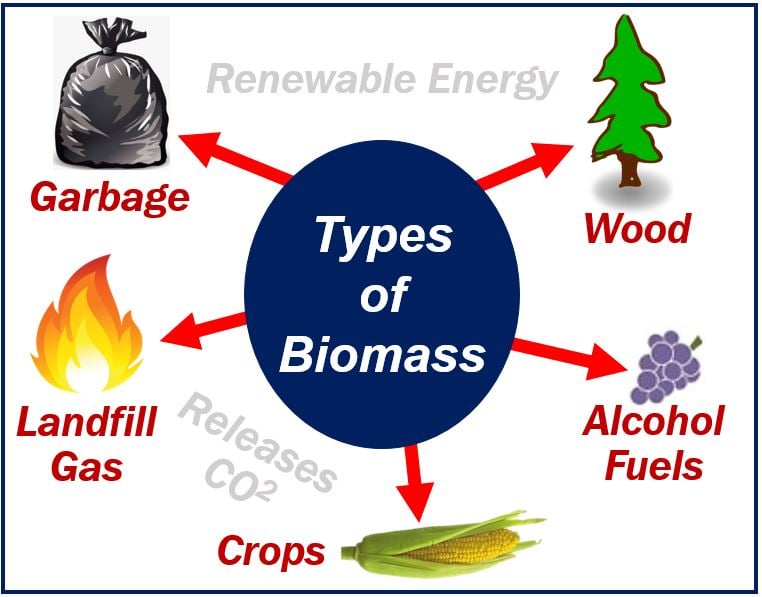
So, to recap, what is biomass energy made of? It’s overwhelmingly made of organic material. This includes: wood and forestry residues (branches, sawdust), agricultural crops and residues (corn, switchgrass, stalks), animal manure, and even some types of municipal solid waste that are plant or food-based. The magic isn't in some rare, secret element. The magic is in the fact that it's all just energy that the sun put into something that grew, or something that ate something that grew.
"My 'unpopular' opinion is that it's too simple for people to believe. We expect complicated science, but it's just nature's design!" And often, our trash.
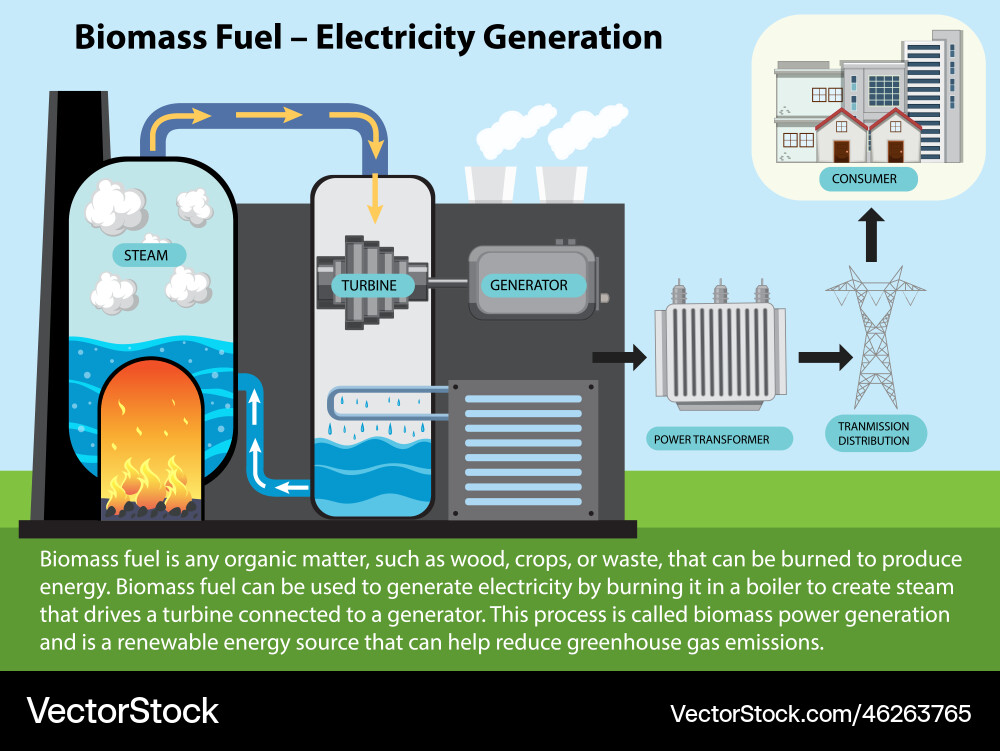
It all boils down to the carbon cycle. Plants use sunlight (photosynthesis!) to grow, absorbing carbon dioxide from the air. When we use biomass for energy, we're essentially releasing that stored solar energy and carbon back into the atmosphere, ideally in a way that allows new plants to absorb it again. It's like a really big, green, energy-storing battery that we can constantly recharge with new growth.
So, next time you hear about biomass energy, don't imagine futuristic glowing goo. Instead, picture a forest, a field of corn, or maybe even your compost bin. Because, at its heart, biomass energy is made of the most common, everyday, utterly un-mysterious things. It's just mother nature showing off her incredible ability to store and share energy. And that, my friends, is a pretty cool secret ingredient indeed!