What Is Arc Length In Welding
Ever marvel at a beautifully welded joint, strong and seamless, on a custom BBQ smoker or a sturdy garden gate? What makes those welds look so professional and hold up so well? Well, besides practice and good equipment, one of the unsung heroes of welding success is something called arc length. It might sound technical, but for anyone who's ever picked up a welding torch or thought about it, understanding arc length is like finding the secret sauce to making truly awesome welds. It’s a foundational skill that can turn a spluttering mess into a clean, confident bead – and that's genuinely satisfying!
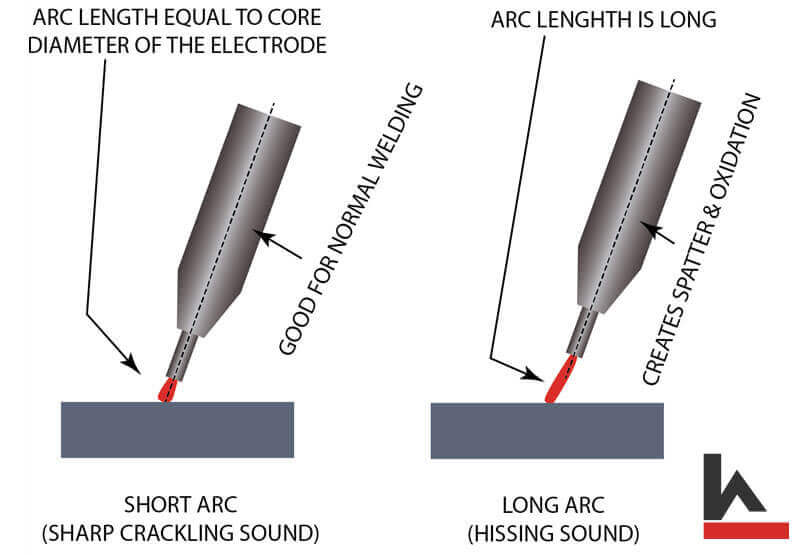
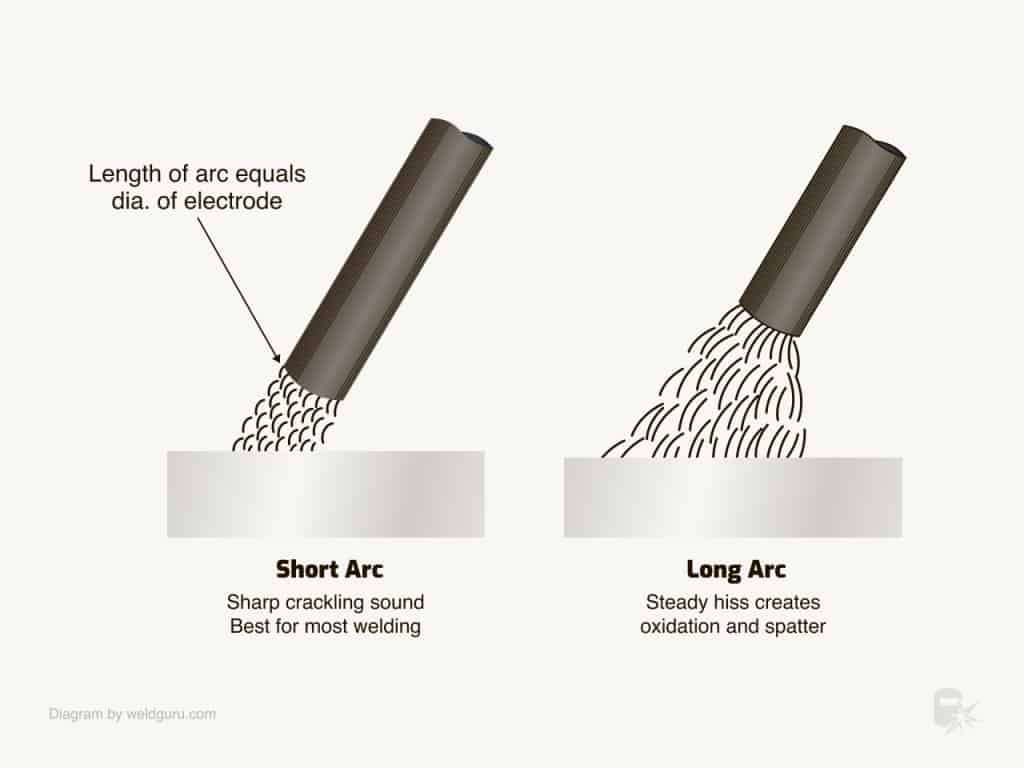
So, what exactly are we talking about? In simple terms, the arc length is the distance between the tip of your welding electrode (or wire) and the base metal you're trying to join. Think of it like the ideal distance you hold a paintbrush from a canvas for the perfect stroke, or how far you stand from a dartboard to hit the bullseye. For beginners, mastering arc length is crucial because it directly affects the stability of your arc, the amount of heat reaching your metal, and ultimately, the quality of your weld. Get it right, and you'll avoid common frustrations like your rod sticking or excessive spatter. For hobbyists and DIY enthusiasts, a consistent arc length means stronger, more reliable joints for all your projects – from repairing a broken bracket to fabricating a piece of metal art. It's the difference between a project that falls apart and one that stands the test of time, all while looking much more professional.
Let's explore what happens when your arc length isn't quite right. If your arc is too long, the arc becomes unstable, you get a lot of noisy crackling and excessive spatter (those little bits of molten metal flying everywhere). The weld bead itself will likely be wide, flat, and have poor penetration, meaning it won't be very strong. On the flip side, if your arc is too short, your electrode will constantly want to stick to the metal, making it incredibly difficult to maintain a steady arc. You might get a very narrow, tall bead with inconsistent penetration. The sweet spot, the "just right" arc length, results in a steady, smooth arc with a characteristic "frying bacon" sound. This allows for excellent penetration, minimal spatter, and a beautifully consistent weld bead that looks and performs great. It's all about finding that optimal balance!
Must Read
Ready to give it a shot? Here are some simple, practical tips for getting started and improving your arc length control. First, listen to the sound. That steady "frying bacon" sound is your best indicator of good arc length. If it's hissing or sizzling, your arc is likely too long; if it's struggling or sticking, it's too short. Second, watch the puddle. A good arc length creates a molten puddle that's easy to control and moves smoothly. Third, practice, practice, practice! Grab some scrap metal and just focus on striking an arc and maintaining that consistent distance as the electrode melts. It builds muscle memory. Start with basic electrodes like 6013 or 7018, as they are a bit more forgiving for beginners. Remember, the goal is to keep that gap between the rod and the metal as constant as possible throughout your weld.
Mastering arc length might seem like a small detail, but it’s a giant leap towards producing high-quality welds. There’s a real sense of accomplishment in laying down a smooth, even bead, knowing you've nailed that crucial distance. It turns welding from a frustrating chore into a rewarding skill, allowing you to create strong, durable, and aesthetically pleasing items. So grab your gear, find that sweet spot, and enjoy the journey of becoming a more confident and capable welder!


![What Is Arc Length In Welding? [Updated On- 2024]](https://weldingresource.com/wp-content/uploads/2022/12/Arc-Length.jpg)