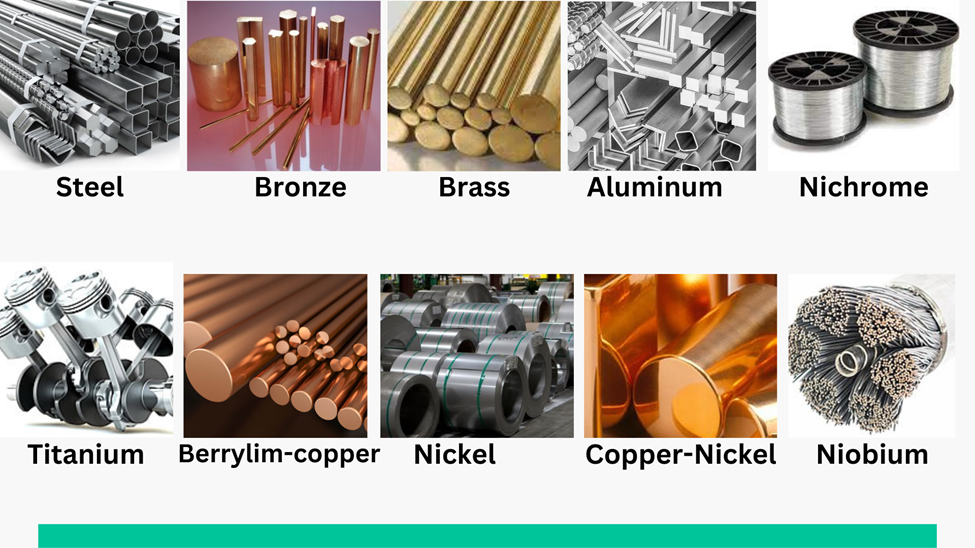
What Is An Example Of A Metal
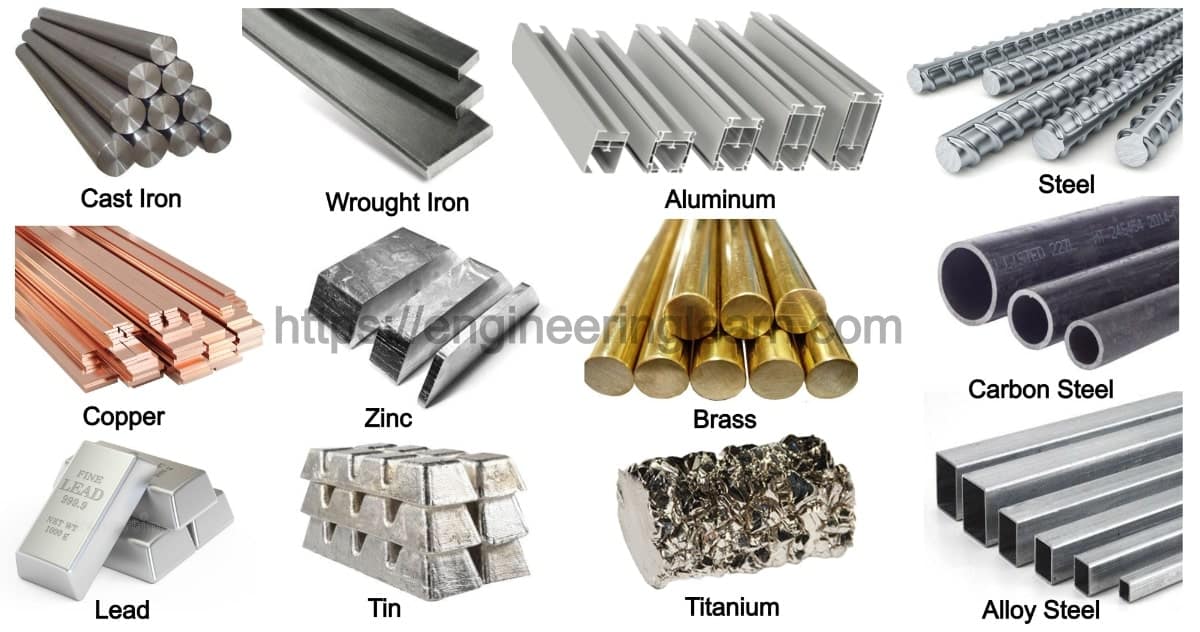
Okay, picture this: You’re rummaging through your bag, desperately searching for your keys. You pull out a whole jumble – maybe a spare change, that forgotten paperclip from yesterday, and finally, your key ring. As you feel the cool, smooth weight of those objects in your hand, you're interacting with a fundamental part of our world, often without even realizing it. Because, my friend, you've just had a very intimate moment with a bunch of different metals.
Ever stopped to think about what exactly makes that key feel like a key, or that coin feel like a coin? What magic makes them so different from, say, a plastic bottle or a wooden spoon? That’s where the fascinating world of metals comes in. And if you're wondering, "What is an example of a metal?" – well, you just held a handful of them! But let's dig a little deeper, shall we?
So, What Exactly Are We Talking About Here?
When we talk about metals, we're generally referring to a class of materials that share some pretty awesome characteristics. Think about that key again. It's probably shiny, right? Or at least it was before it spent a decade at the bottom of your bag. It feels solid and strong. You can’t just bend it in half with your bare hands – unless you’re some kind of superhero, in which case, call me! (kidding, mostly).
Must Read
These aren't just random traits. Metals are known for their lustre (that shininess!), their incredible strength, and their ability to conduct both heat and electricity like champs. That’s why your pots and pans are metal (heat!) and why all the wires in your house are metal (electricity!). They’re also usually malleable and ductile, which are fancy words for "you can hammer them into sheets" and "you can pull them into wires" without them breaking.
Let's Meet Some Metal Superstars!
Alright, let’s get down to the brass tacks – literally, because brass is an alloy of metals! If you're looking for specific examples, you don't have to look far. Metals are everywhere, powering our lives in ways we rarely appreciate.
The Everyday Workhorses: Iron and Steel
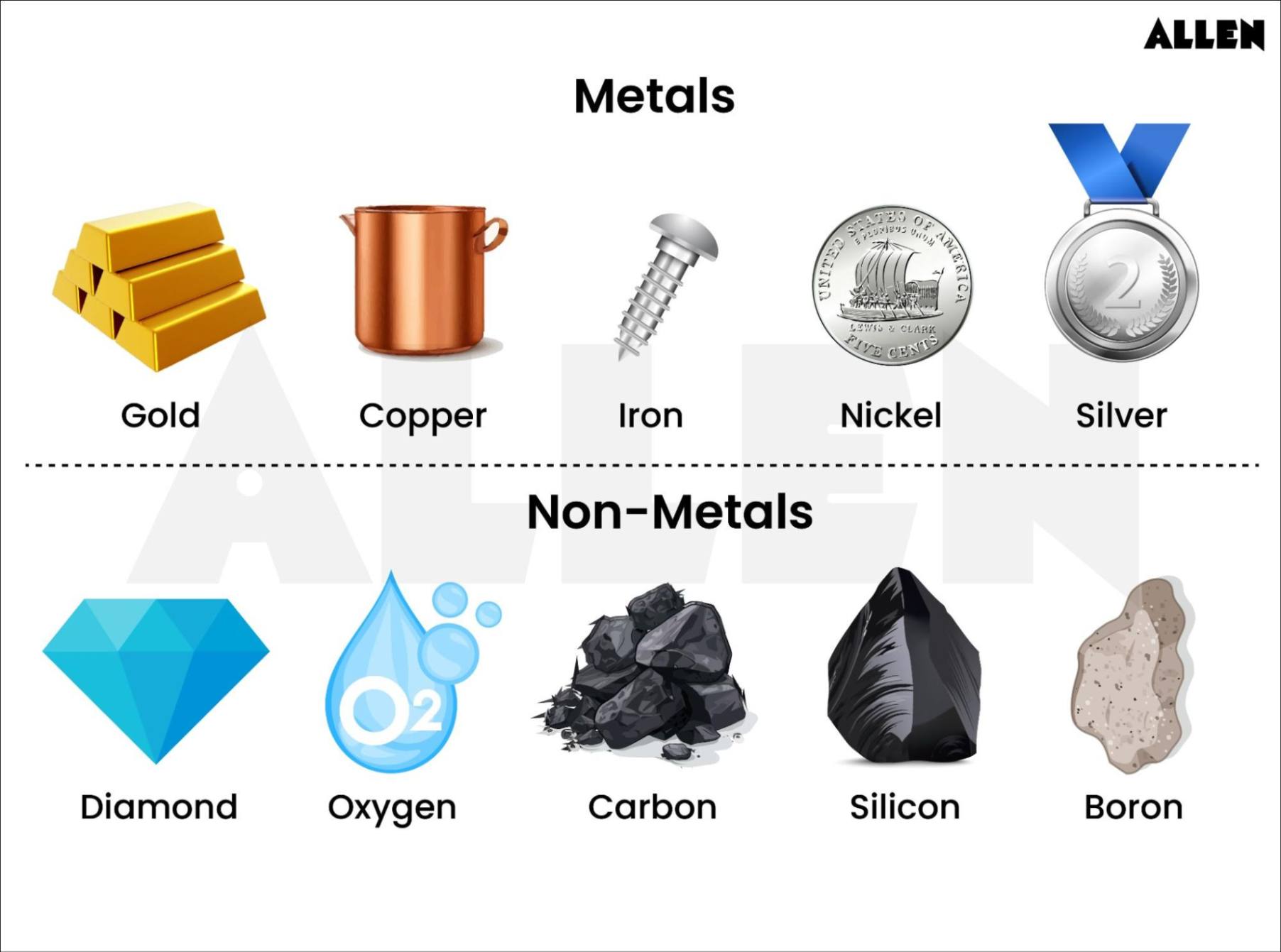
First up, let's talk about Iron. This bad boy is one of the most common elements on Earth and has been shaping human civilization for millennia. We use it for everything from tools to bridges. But often, when we say "iron," we're actually talking about Steel, which is an alloy made primarily of iron with a small amount of carbon. Think about it: your car, the frame of your house, even some of your kitchen knives – they're probably steel. It's incredibly strong and durable. Without steel, our cities would look very, very different, wouldn't they?
The Lightweight Champion: Aluminum
Next on our list is Aluminum. You know those soda cans you casually toss in the recycling? That's aluminum! It's super lightweight but still surprisingly strong, and it doesn't rust like iron does. This makes it perfect for things like aircraft, bicycles, and yes, all those food and drink containers. It’s also a fantastic conductor of heat, which is why it often makes an appearance in cooking foil and even computer components. Pretty versatile, right?

The Reddish Wonder: Copper
Then there's Copper. You can often spot copper by its distinctive reddish-brown colour. Ever seen old statues or roofs that have turned a greenish-blue? That's oxidized copper, creating a beautiful patina! Copper is famous for being an excellent conductor of electricity and heat. This is why virtually all the electrical wiring in your home, and frankly, in the entire world, is made of copper. Plus, it's used in plumbing pipes and, of course, some coins. It’s a real unsung hero of modern infrastructure, if you ask me!
The Bling-y Bunch: Gold and Silver
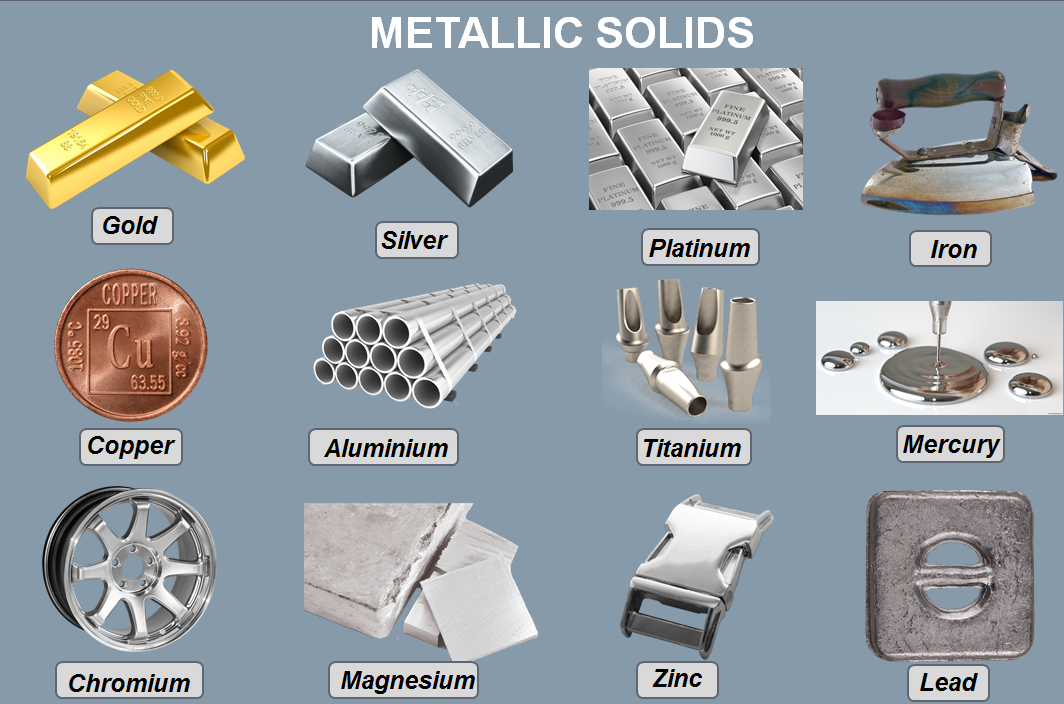
And of course, we can't forget the precious metals: Gold and Silver. These are probably the first metals many people think of, especially when it comes to jewelry. They're both incredibly beautiful, highly lustrous, and very malleable, meaning they can be shaped into intricate designs. Beyond the sparkle, they're also fantastic conductors and incredibly resistant to corrosion, making them valuable in electronics (think tiny amounts in your phone!) and even dentistry. Who knew your fancy watch had so much in common with your computer chip, eh?
A Few Other Cool Kids
We could go on and on! There's Titanium, which is super strong and light, perfect for aerospace and medical implants (like those snazzy joint replacements). There’s even Mercury, the only metal that’s liquid at room temperature – talk about breaking the mould! (Though you won’t find it in your keys, thankfully, as it's quite toxic!)
Why Do We Even Care About Metals?
So, why is any of this important? Because metals are the very backbone of our modern world. From the simple spoon you eat your breakfast with to the complex circuits in your smartphone, from the towering skyscrapers that pierce the clouds to the intricate medical tools that save lives – metals are there. They’re strong, durable, versatile, and often recyclable, making them indispensable.
Next time you pick up a coin, open a can, or even just glance at a building, take a moment to appreciate the incredible material you’re interacting with. It’s not just "stuff"; it’s a meticulously engineered, naturally occurring wonder. So, what’s an example of a metal? Take your pick, because they're literally all around us, shaping our reality in the most fundamental ways. Pretty cool, right?