
What Is An Engraving In Art
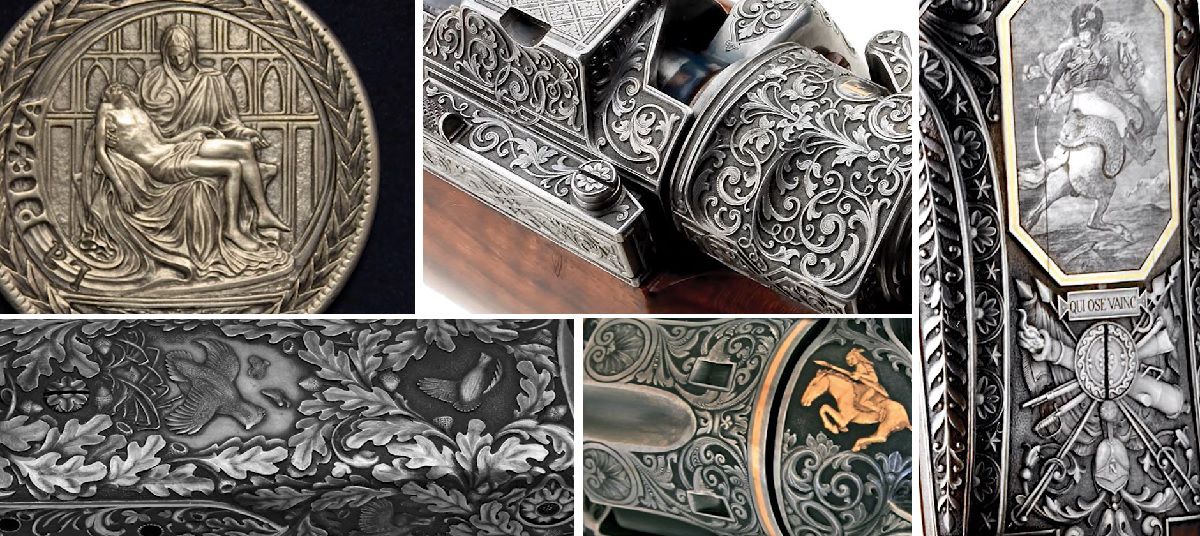
Let's be honest, art can sometimes feel a bit… fancy. Like it's speaking a secret language only a chosen few understand.
You nod politely at paintings, maybe squint at a sculpture, but deep down, you're just thinking about what's for dinner.
It’s okay, we’ve all been there, trying to look profound while secretly wondering if that splotch is intentional.
Must Read
But what if I told you there's a whole world of art that's actually super cool, incredibly clever, and often hiding in plain sight?
An art form that shaped history, yet barely gets a second glance from the average museum-goer?
The Unsung Hero of the Art World
Most folks zoom past engravings in museums. They look a bit monochrome, maybe a tad old-fashioned and, dare I say, a little bit stiff.
Perhaps you've seen one on an old map, a fancy book plate, or even on a dollar bill without truly noticing its artistry.
They don't have the vibrant splash of an Impressionist painting or the dramatic flair of a Renaissance fresco.
My "unpopular" opinion? Engravings are the secret rock stars of art, quietly performing incredible feats while the flamboyant oil paintings get all the applause.
They are the ultimate underdog, patiently waiting for someone to peel back their subtle layers of genius.
They are the quiet geniuses working behind the scenes, creating magic with nothing but lines and shadows. And it's high time they got their due!
So, What Exactly Is This Engraving Thing?
Imagine drawing, but instead of a pencil on paper, you're using a tiny, sharp tool to carve into a hard surface.
Think of it like extreme doodling, where a single mistake means a lot more than just grabbing a new sheet of paper.
You can't just erase a slip-up when you're literally carving into metal.
At its heart, an engraving is an image created by making precise cuts, lines, and patterns into a robust material, usually a metal plate.
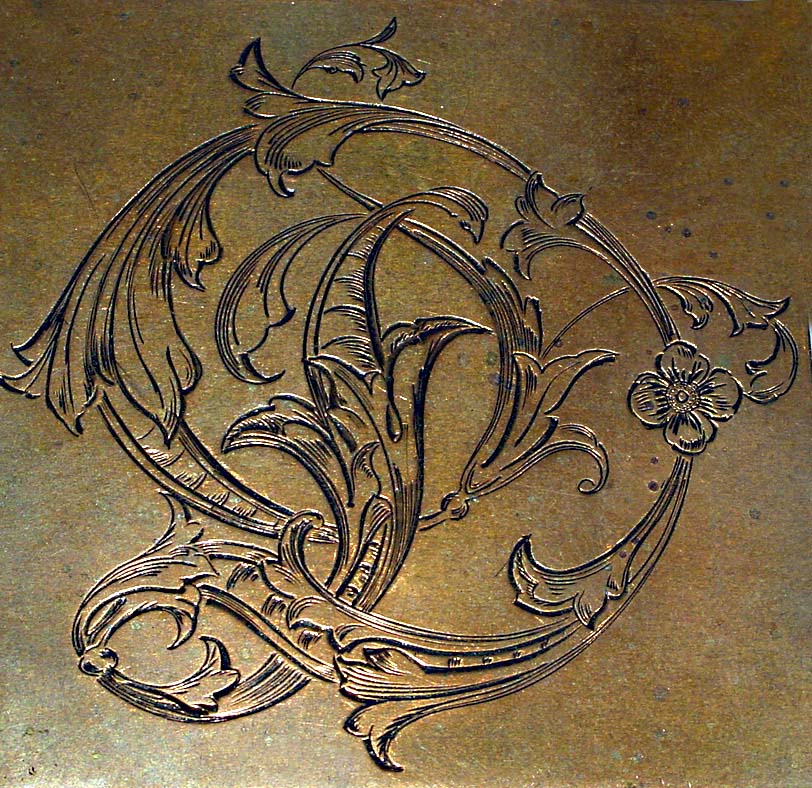
It's like giving the surface a tiny, intricate tattoo, but in reverse, and with significantly higher stakes.
Every line has to be exactly right, a testament to unwavering focus and a steady hand.
The Master of the Metal Doodle
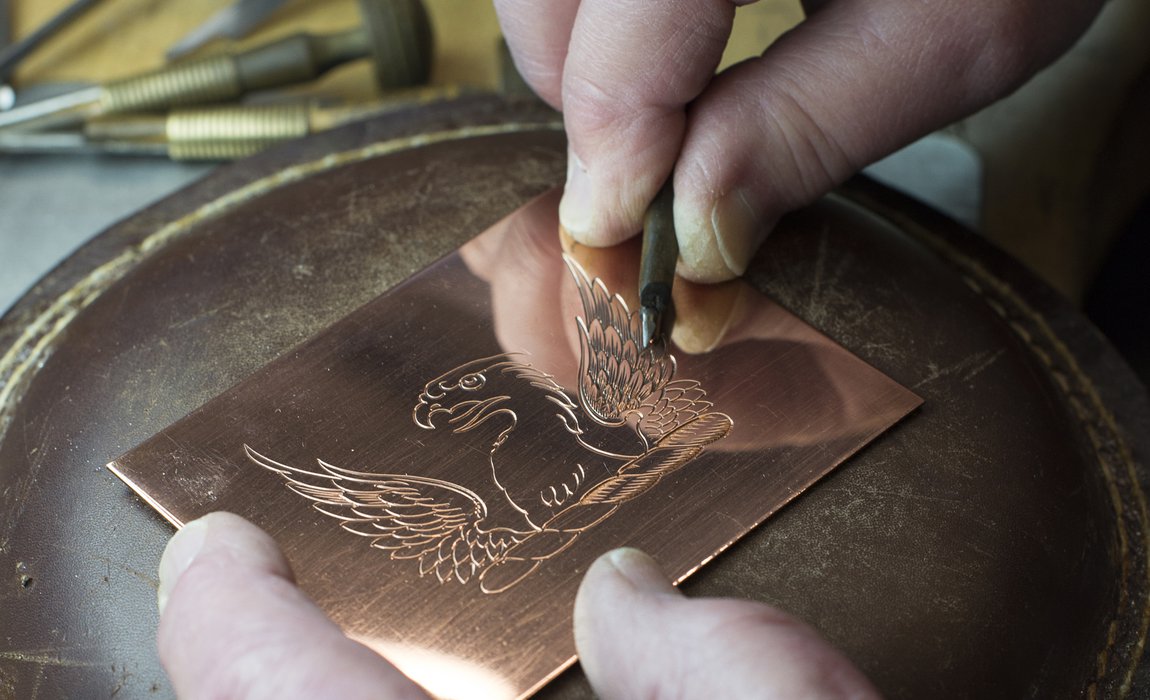
The main star of the engraving show is often a tool called a burin.
Sounds fancy, right? It's basically a small, chisel-like tool with a wooden handle, perfectly designed for pushing into metal.
The artist uses this burin to push and carve away tiny bits of the metal plate, creating grooves and furrows.
These aren't just scratches; they are carefully controlled incisions, each one contributing to the final image.
Every line you see in an old engraving? That was a deliberate push, a careful scoop of metal by a steady, unwavering hand.
It's less like drawing and more like sculpting a miniature landscape of lines, a tiny canyon for every shadow.
The effort involved is mind-boggling. Imagine trying to draw a perfect circle while also digging a trench – without messing up!
It's a skill that requires immense patience, precision, and an almost superhuman ability to visualize the end result in reverse.
It's a testament to human patience and precision, skills that seem almost alien in our instant-gratification world. And it's precisely why engravings are so utterly captivating.
The Big Reveal: Making Copies!
Now, here's where the real wizardry comes in. Once the artist has carved their masterpiece onto the plate, what next?
They don't just hang the metal plate on the wall (though some are beautiful enough to be art in themselves!).
Instead, ink is then carefully spread over the entire plate, ensuring it seeps into all those wonderful carved grooves.
Next, the surface of the plate is meticulously wiped clean, but – and this is key – the ink stays perfectly tucked away in the recessed lines.
Then, a piece of damp paper is placed over the inked plate and pressed down firmly, usually with a heavy, specialized press.
The immense pressure literally pulls the ink out of the grooves, transferring the image onto the page.
Voila! An identical copy of the carved design appears, rich in crisp detail and captivating texture.
This ingenious process means an artist could make many, many identical, high-quality prints from one single, painstakingly created plate.
Think of it as the original printing press, mass communication before your inkjet printer or even Gutenberg's Bible existed.
The Internet Before the Internet
For centuries, engravings were the superheroes of information sharing and visual storytelling.
Before photography, before computers, before even widespread literacy, how did people see things from far away?
How did they learn about exotic animals in distant lands, or famous battles, or even what their rulers looked like?
Yep, you guessed it: engravings. They filled that vital visual gap.
They were the visual encyclopedia, the news channel, and the portrait studio all rolled into one indispensable package.

Maps that navigated explorers, scientific illustrations revealing new discoveries, fashion plates dictating trends, political cartoons skewering leaders – you name it, engravings delivered it to the masses.
They weren't just decorative; they were functional, educational, and absolutely essential for understanding the world.
They literally shaped how people understood their world, one intricate, carefully carved line at a time. Without them, our knowledge of history would be far less visually rich.
More Than Just Black and White
You might think, "Oh, it's just black lines on white paper." But that's like saying a symphony is just notes.
Look closely at an engraving. Notice the incredible detail, the subtle shading achieved through parallel lines or clever cross-hatching.
It's a masterclass in how light, shadow, and depth can be created with sheer precision, without a single dab of color.
The lines aren't just lines; they have a certain crispness, a unique sharpness that comes directly from the metal itself.
There's a subtle texture to an engraving, a slightly raised feel to the ink on the paper that subtly speaks of its origins.
It carries the undeniable weight of the artist's hand, the deliberate force of the burin, and the magic of the printing press.
This tactile quality makes them feel more tangible, more real, than many other flat images.
The Difference is in the Digging
How is an engraving fundamentally different from a painting or even a simple drawing?
Well, a painter adds paint, building up layers and vibrant colors. A drawer applies pigment directly to the surface.
An engraver, however, removes material, digging into the plate to create the image's inverse.
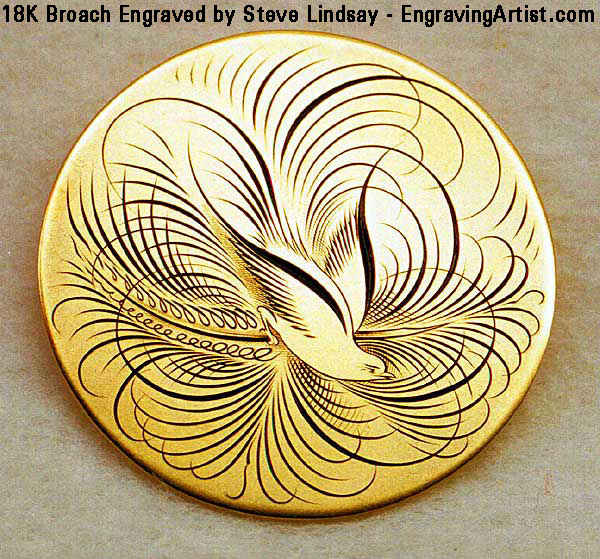
It's a subtractive process, which demands a completely different way of thinking and visualizing the final piece.
There’s no "undo" button. Every mark is permanent, a commitment that can't easily be fixed.
This makes the skill involved even more jaw-droppingly impressive, don't you think?
It’s like writing a novel backward, knowing every word must be perfect before you even start the first sentence.
Still Digging Around Today
While mass printing has definitely moved on to faster, digital methods, the intricate art of engraving isn't dead.
Far from it! It lives on vibrant and strong in fine art printmaking, cherished for its unique qualities and the deep connection to artistic tradition.
You'll still find it in highly specialized areas, like high-security documents (yes, those trusty dollar bills!), elegant stationery, or bespoke jewelry.
So, the very next time you encounter an engraving, whether nestled in a dusty old book or showcased in a sleek gallery, please pause for a moment.
Don't just give it a fleeting glance. Lean in a little closer. Appreciate the sheer labor, the incredible precision, and the profound historical heft embedded in every line.
You're now officially in on the secret. You know that behind those seemingly simple lines lies a universe of artistic dedication and monumental historical impact.
It's time to give these quiet masterpieces the enthusiastic nod they so richly deserve. After all, they’ve been patiently waiting for you to notice them all along.
They might not scream for attention, but their quiet beauty and incredible story are loud enough for those who choose to listen. Now go forth and appreciate those glorious engraved lines!