What Is An Average Water Bill

Okay, so picture this: I was wrestling with a running toilet, plunger in hand (don't ask!), and for a good solid minute, that insistent shhhh sound just wouldn't stop. After a minor victory over the flapper valve, silence! But then it hit me. How many gallons had just merrily swirled away into the great unknown? And more importantly, how much money did that little escapade just cost me?
That got me thinking (and probably you too, if you're honest): what is an average water bill, anyway? Is mine normal? Am I secretly funding a small ocean through leaky faucets and excessively long shower serenades? It's one of those household expenses that often flies under the radar until you get a bill that makes you do a double-take, right? We talk about electricity, gas, internet... but water? It’s just… there. Until it isn’t, or until it’s shockingly expensive.
The Elusive "Average": Why It's Tricky Business
Here’s the thing, trying to pin down a single "average water bill" is like trying to catch a greased watermelon – it just slips away. So many factors are playing tug-of-war with that final number.
Must Read
First up, location, location, location! Seriously, where you live makes a huge difference. Water rates aren't universal; they vary wildly from city to city, state to state, and even within different districts. The cost of treating, pumping, and delivering clean water depends on the source, infrastructure, and local regulations. What your friend in Arizona pays might be vastly different from what you pay in Florida.
Then there's household size. A single person living alone will almost certainly have a lower bill than a family of five with teenagers who believe 20-minute showers are a fundamental human right. More people usually mean more showers, flushes, laundry loads, and dishes. Simple math, really!
And let's not forget your water habits. Are you a quick-shower-ninja or a long-soak-contemplator? Do you water your lawn daily or let nature take its course? These daily choices, small as they seem, stack up. A dripping faucet can waste hundreds of gallons a month. A running toilet can waste thousands!
Seasonality also plays a role. If you have a garden, a pool, or just wash your car more frequently in the summer, expect that bill to creep up. Winter months might see a dip unless you're one of those brave souls still hosing down the patio in December.
So, What's the Actual Number? (Spoiler: It Varies!)
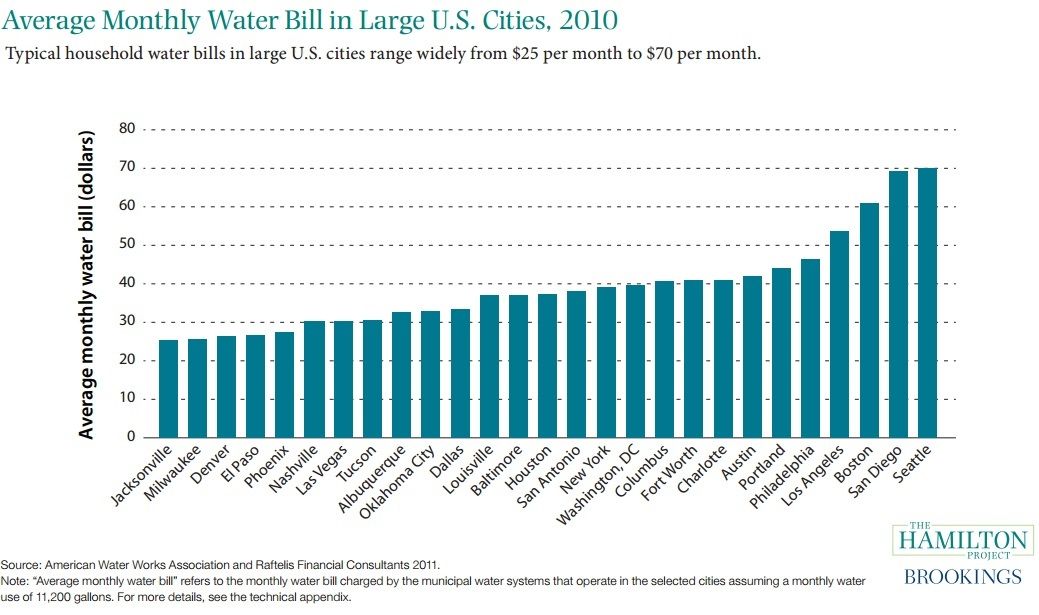
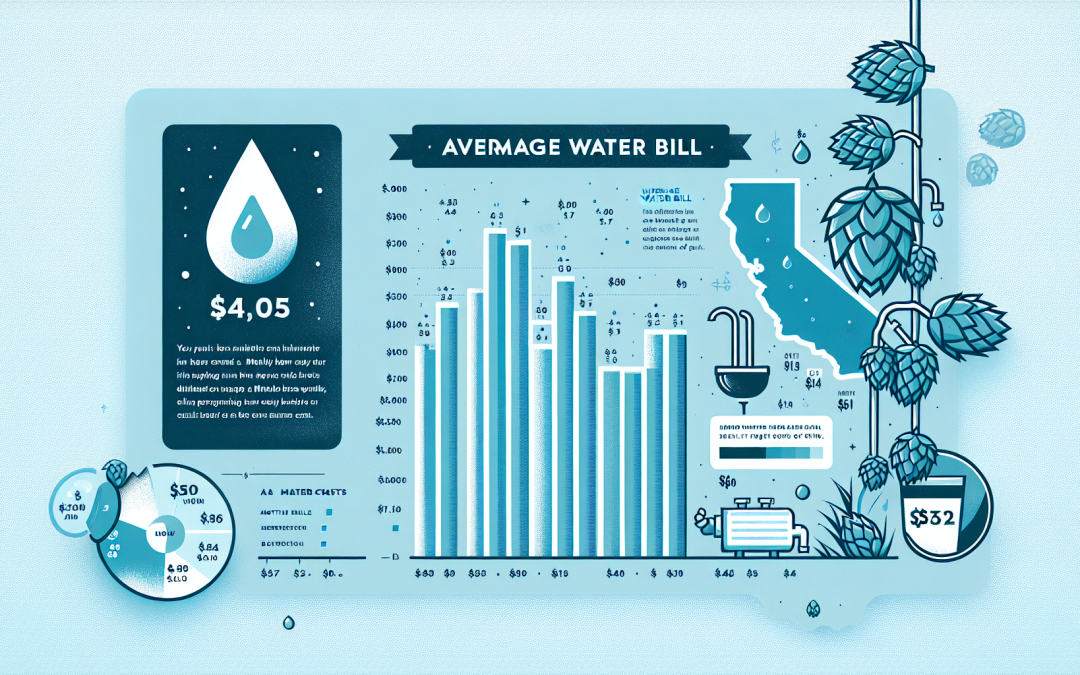
Okay, okay, I know you want a number. In the U.S., a common range for a residential water bill might be anywhere from $30 to $80 per month, but that's a super-broad brushstroke. Some areas might see bills as low as $20, while others, especially in drought-prone regions or with older infrastructure, could easily hit $100 or more, especially if sewerage costs are bundled in. Sewerage often costs as much as, or even more than, the water usage itself because it costs money to treat what goes down the drain. Sneaky, right?
A better way to think about it is per 1,000 gallons. Many utility companies bill this way. The cost per 1,000 gallons can range from around $2 to $15 or even more, depending on all those factors we just talked about. A typical household might use anywhere from 4,000 to 12,000 gallons per month. Do the math, and you'll see why the range is so wide!

How to Figure Out Your Average (and Maybe Lower It!)
The best way to understand your water bill is to look at your past bills. Most utility companies provide a usage history. See what you've been paying over the last few months or even a year. This will give you a much more accurate "average" for your specific situation.
Want to bring that number down? You've got more power than you think!
- Fix those leaks! A running toilet or dripping faucet isn't just annoying; it's a money pit. Check toilets for silent leaks (food coloring in the tank is a simple trick!).
- Be shower-savvy: Shorter showers, or turning off the water while you lather, can make a difference.
- Full loads only: Whether it's the dishwasher or washing machine, run them only when completely full.
- Mind your garden: Water early morning/late evening to reduce evaporation. Consider drought-resistant landscaping.
- Upgrade appliances: When it's time for new fixtures or appliances, look for WaterSense or Energy Star ratings. They use significantly less water.
So, next time you get that water bill, don't just sigh and pay it. Take a moment to understand what's really going on behind those numbers. You might be surprised at what you find, and even more surprised at how much you can save! Now, if you'll excuse me, I think I hear a drip coming from the kitchen sink... better go investigate!