
What Is An Alkali Earth Metal

Hey there, awesome human! Grab a comfy seat and let's spill some tea on a fascinating little corner of chemistry: the Alkali Earth Metals. Sounds super science-y, right? Like something out of a textbook you tried to ignore in high school?
Well, fret not! We're ditching the stuffy lectures and just having a casual chat. Think of it as peeking behind the curtain of the periodic table, where some surprisingly cool characters hang out. Ready?
The Periodic Table's Second Row Stars
Imagine the periodic table for a sec. You know, that big, colorful chart with all the elements lined up like a school photo. We're not talking about the rockstar, super-reactive guys on the far left (those are the Alkali Metals, who are practically begging to give away an electron).
Must Read
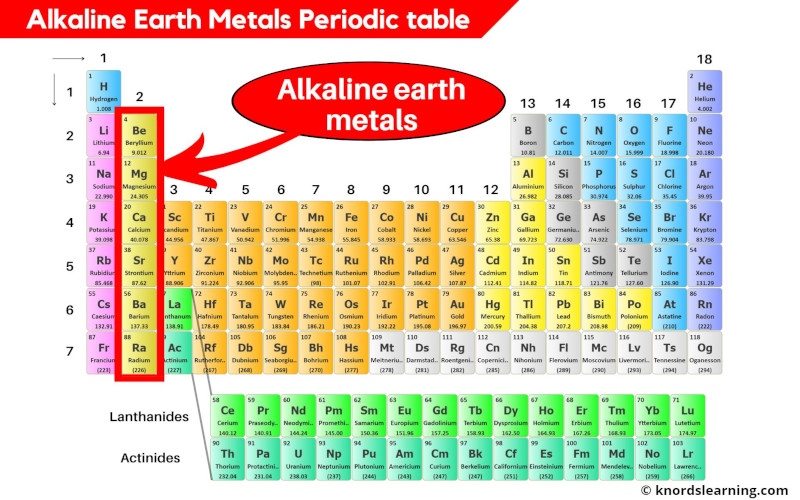
Nope, we're moving one step over, to Group 2. These are their slightly more composed, but still very charming, neighbors. These are our Alkali Earth Metals!
What's in a Name, Anyway?
First off, Alkali. Sounds fancy, right? It just means that when these metals get jiggy with water, they tend to form solutions that are alkaline (or basic, if you remember pH scales). Think of it like baking soda or soap – that slippery feeling? That’s alkaline.
And then there's the Earth part. No, they don't wear tiny capes and fly around the globe. Historically, these elements were found in minerals (the "earths") that didn't melt easily, even at high temperatures. They were tough cookies, literally part of the "earth." So, Alkali Earth Metals: they make alkaline solutions and they're found in earthy minerals. Makes sense, right?
Meet the Gang!
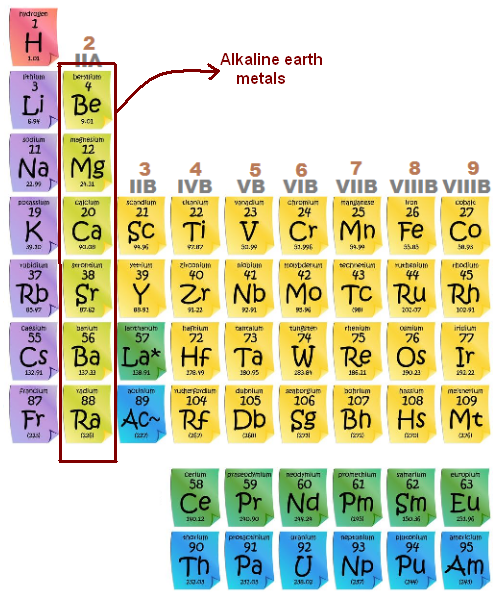
Alright, who are these magnificent creatures? There are six main members in this exclusive club:
- Beryllium (Be)
- Magnesium (Mg)
- Calcium (Ca)
- Strontium (Sr)
- Barium (Ba)
- Radium (Ra)
You might recognize a few of those names, especially Magnesium and Calcium. They're practically celebrities!
Their Little Quirks and Habits
These aren't your average wallflowers. While they're not quite as explosively reactive as their Group 1 neighbors (the Alkali Metals), they're still pretty keen to make new friends (read: form compounds). You won't find them chilling out alone in nature; they're always part of a larger chemical party.
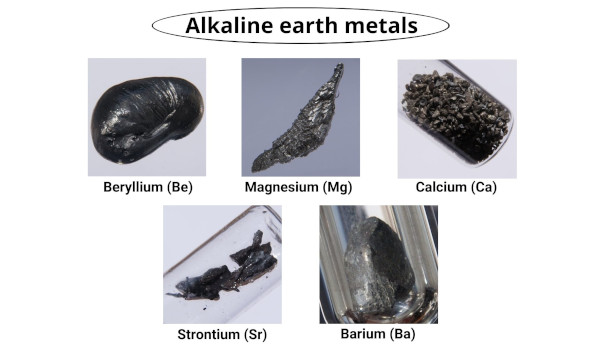
They're generally silver-colored, often quite lustrous, and while they're considered "soft" metals, they're definitely harder than butter-like sodium. Think of them as softish, but not squishy. They also have relatively low densities and melting points compared to many other metals, which makes them quite versatile.
The big thing about them, chemically speaking? They really want to shed those two extra electrons in their outermost shell. It's like they have two extra Halloween candies they're desperate to give away to achieve ultimate stability. So, they easily form positive ions with a +2 charge. This electron-losing tendency is what drives a lot of their behavior!
Why Do We Even Care? Everyday Awesomeness!
Okay, so they're in Group 2, they're silver, and they like to lose electrons. Big deal, right? Well, actually, yes! They're absolutely everywhere, doing super important jobs.
Magnesium: The MVP
Let's start with Magnesium, because it's practically an MVP. Ever taken an Epsom salt bath? That's magnesium sulfate! Feeling a muscle cramp? Magnesium supplements might be your friend. It's crucial for your body, helps plants photosynthesize (it's at the heart of chlorophyll!), and is used in lightweight alloys for things like airplane parts and laptop casings. Flash photography used to use magnesium flares because it burns super brightly!
Calcium: Your Bones' Best Friend
And then there's Calcium. Ding, ding, ding! Bones and teeth, people! You know it, you love it, you probably drank milk or ate yogurt for it. But it's also a key ingredient in concrete, plaster, and even some antacids. Talk about versatile!
Strontium & Barium: The Flashy Ones
Ever seen a brilliant red firework? That stunning crimson is often thanks to Strontium compounds. Pretty cool, huh? And Barium? Ever had a "barium meal" for an X-ray to check out your digestive system? Yep, that chalky liquid is barium sulfate, which is great at blocking X-rays, allowing doctors to see what's going on inside. It’s also used in white pigments for paints.
Beryllium & Radium: The Niche Players
Beryllium is a bit of a special ops guy. It’s super lightweight and strong, so it’s used in aerospace components, missile parts, and even some fancy golf clubs. It’s also in non-sparking tools for places where sparks would be, well, bad (like around highly flammable stuff).

And then there's Radium. It's radioactive, and while it used to be used in glow-in-the-dark paints (which was a terrible idea, turns out), its primary use now is more specialized, often in medical treatments for certain cancers. It’s less common in everyday life, thankfully.
So, Why All The Fuss?
See? These aren't just obscure science terms. The Alkali Earth Metals are like the unsung heroes of the element world. They're silently (or sometimes spectacularly!) contributing to everything from your bones to your fireworks, from airplanes to medical diagnoses.
Next time you see a firework or drink some milk, maybe you'll have a little nod of recognition for these amazing elements. They might not be as flashy as gold or as infamous as uranium, but they are absolutely essential. And now you know a little more about their story!
Anyway, thanks for joining me on this little elemental adventure! Hope you had fun!