
What Is An Advantage Of Using Nuclear Power
Let's face it, when you hear "nuclear power," you might picture glowing green goo or Homer Simpson causing a meltdown. But behind the sometimes-scary image lies a fascinating and, dare I say, powerful technology. We're constantly bombarded with news about climate change and the need for cleaner energy, so understanding all our options, including nuclear, is more important than ever. It's like understanding all the tools in your toolbox – you might not use them all the time, but knowing what they can do is seriously useful.
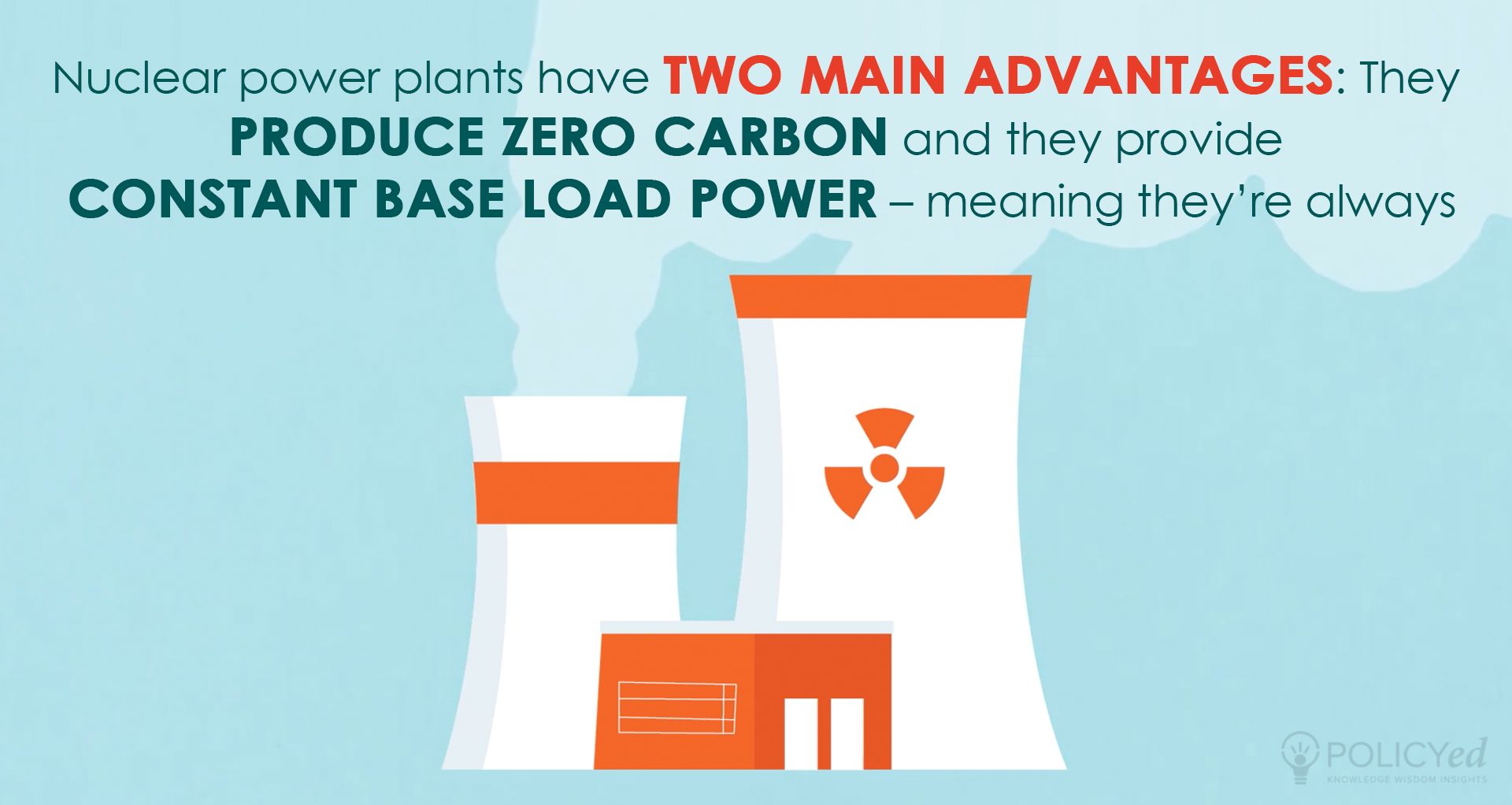
So, what's the big advantage of using nuclear power? The simple answer is: it's a massive source of energy that doesn't directly produce greenhouse gases while generating electricity. Think of it this way: power plants that burn coal, oil, or natural gas release carbon dioxide (CO2) into the atmosphere, which contributes to global warming. Nuclear power plants, on the other hand, use nuclear fission – splitting atoms – to create heat, which then boils water to create steam, which spins turbines to generate electricity. The process itself is surprisingly clean.
The primary benefit is, therefore, the significant reduction in carbon emissions compared to fossil fuels. This is a HUGE deal when we're trying to reduce our carbon footprint and slow down climate change. Nuclear power acts as a reliable and consistent source of energy, capable of operating 24/7, 365 days a year. This contrasts sharply with solar and wind power, which are dependent on weather conditions. Imagine trying to power a whole city on solar panels on a cloudy day – not exactly reliable, right? Nuclear provides a stable baseload power, meaning it can consistently meet the demand for electricity, keeping the lights on and the internet running.
Must Read
Furthermore, nuclear power plants are incredibly energy-dense. This means they can produce a large amount of electricity from a relatively small amount of fuel (uranium). A single uranium fuel pellet, about the size of your fingertip, contains the energy equivalent of nearly a ton of coal, 17,000 cubic feet of natural gas, or 149 gallons of oil. This means we need to mine and transport far less fuel compared to fossil fuels, reducing environmental impact and transportation costs.
Now, it's important to acknowledge that nuclear power isn't perfect. There are concerns about nuclear waste disposal and the potential for accidents. However, significant advancements are being made in these areas, with research focusing on safer reactor designs and methods for recycling nuclear waste. Modern reactors have multiple safety features designed to prevent accidents, and the nuclear industry is heavily regulated to ensure safety. Plus, the volume of nuclear waste produced is relatively small compared to the waste produced by fossil fuel plants.
In conclusion, while it's essential to consider all the pros and cons of any energy source, the advantage of nuclear power lies in its ability to provide a large, reliable, and relatively clean source of electricity. It plays a crucial role in reducing greenhouse gas emissions and ensuring a stable energy supply, making it a vital tool in the fight against climate change. So, next time you hear about nuclear power, remember it's not just about glowing green goo; it's about a powerful, low-carbon energy option that could help power a brighter future.


