What Is An Advantage Of Hydroelectric Energy
Okay, let's talk hydroelectric energy. You might be thinking, "Ugh, energy sources. Sounds boring." But trust me, it's way more interesting than watching paint dry, and probably more useful than knowing how to fold a fitted sheet (seriously, who actually knows how to do that?).
We're all about keeping things relatable here, so think about it this way: Imagine you're baking cookies. You've got your ingredients all lined up, the oven's preheating, and you're ready to roll. Now, you could either painstakingly crush those chocolate chips by hand (ugh, the effort!), or you could use a blender. Hydroelectric energy is like the blender of the power world – it gets the job done efficiently and with relatively little fuss.
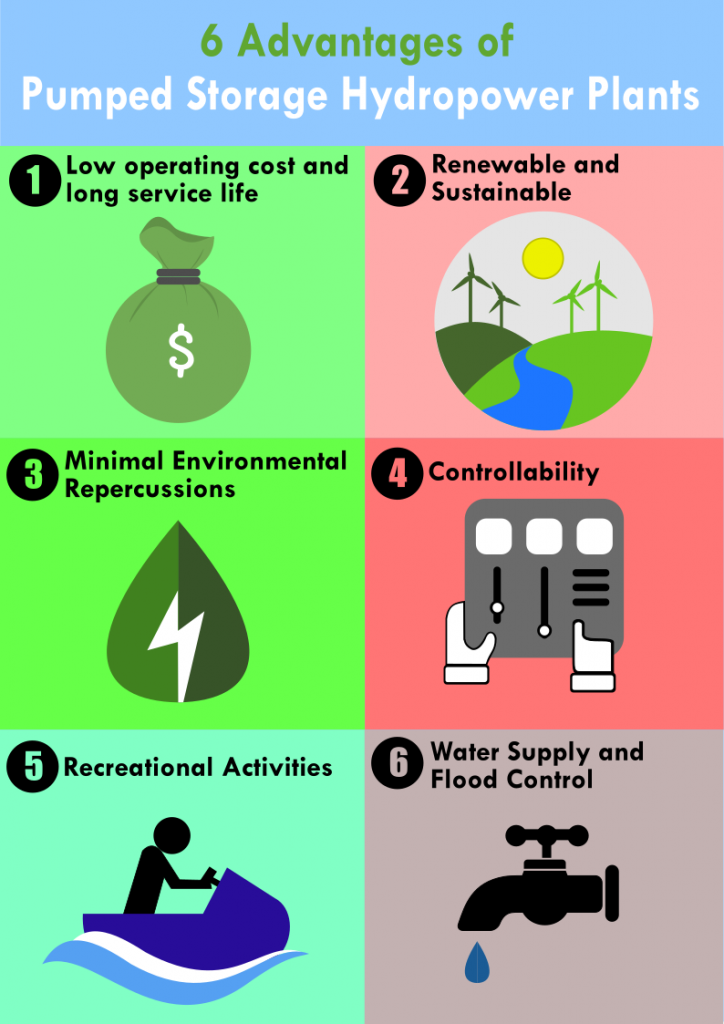
So, what's the big advantage? Well, put simply, it's a renewable and reliable energy source. Think of it like that friend who always offers to drive you home after a party – dependable, always there, and doesn't ask for much in return (except maybe some gas money, but in this case, it's just the river flowing).
Must Read
Unlike fossil fuels, which are like that bag of chips you devour in one sitting (gone too soon!), hydroelectric power uses the power of moving water – something that's been around since, well, forever. The sun’s doing its thing evaporating water, which eventually falls as rain/snow, feeding rivers and lakes. It's a natural cycle that keeps on giving. Talk about low maintenance!
So, How Does it Work?
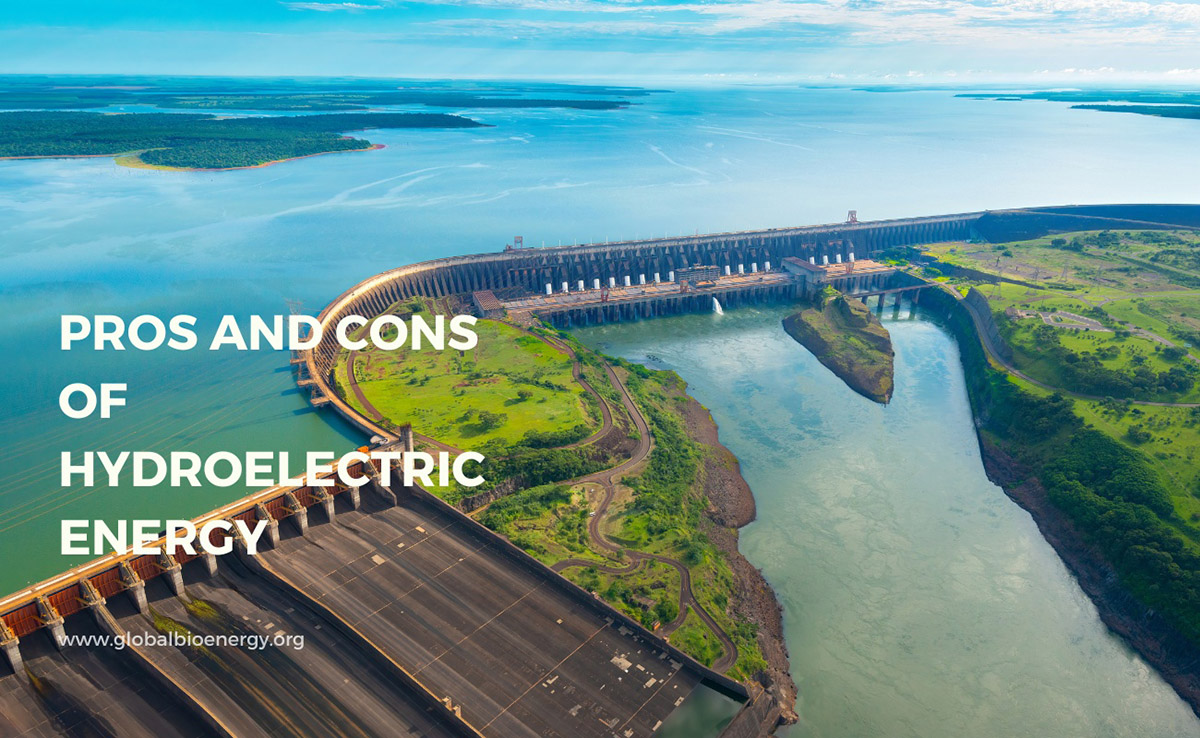
Picture this: you’ve got a big ol’ dam (not the swear word kind, the water-holding kind!). Water builds up behind the dam, creating a reservoir. When you need power, you open the gates, and the water rushes through. This rushing water spins a turbine, which is connected to a generator, and poof, electricity! It's basically like a giant water wheel, but way more sophisticated and able to power entire cities.

Think of it like a water slide at a theme park. The higher up you are, the more potential energy you have. When you go down the slide, that potential energy turns into kinetic energy (that sweet, sweet rush!). Hydropower does the same thing, just on a much grander scale. And without the awkward swimsuit wedgies, hopefully.
The cool part is that once the water has done its job, it continues flowing downstream. It doesn't get used up or polluted like fossil fuels. It’s still water! It can still water plants, give fish a place to swim, and eventually make its way to the ocean. It’s like recycling, but with a lot more water.
Why is This a Big Deal?
Well, because it's sustainable. We're talking about a power source that can keep going and going, like that Energizer bunny, without depleting the planet's resources. No digging for coal, no drilling for oil, just good old-fashioned H2O doing its thing.
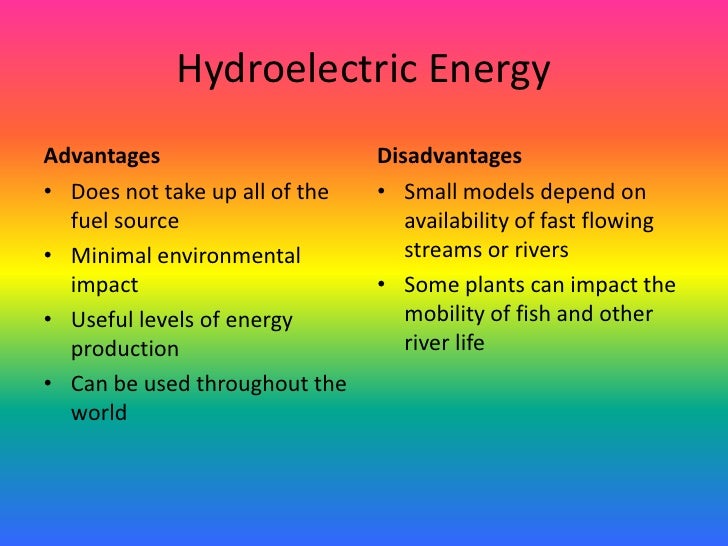
Plus, it's relatively clean. While building a dam can have environmental impacts (we'll get to that later), once it's up and running, it doesn't release greenhouse gases into the atmosphere. So, no more feeling guilty about turning on the lights! (Okay, maybe a little less guilty – turning them off when you leave the room is still a good idea).
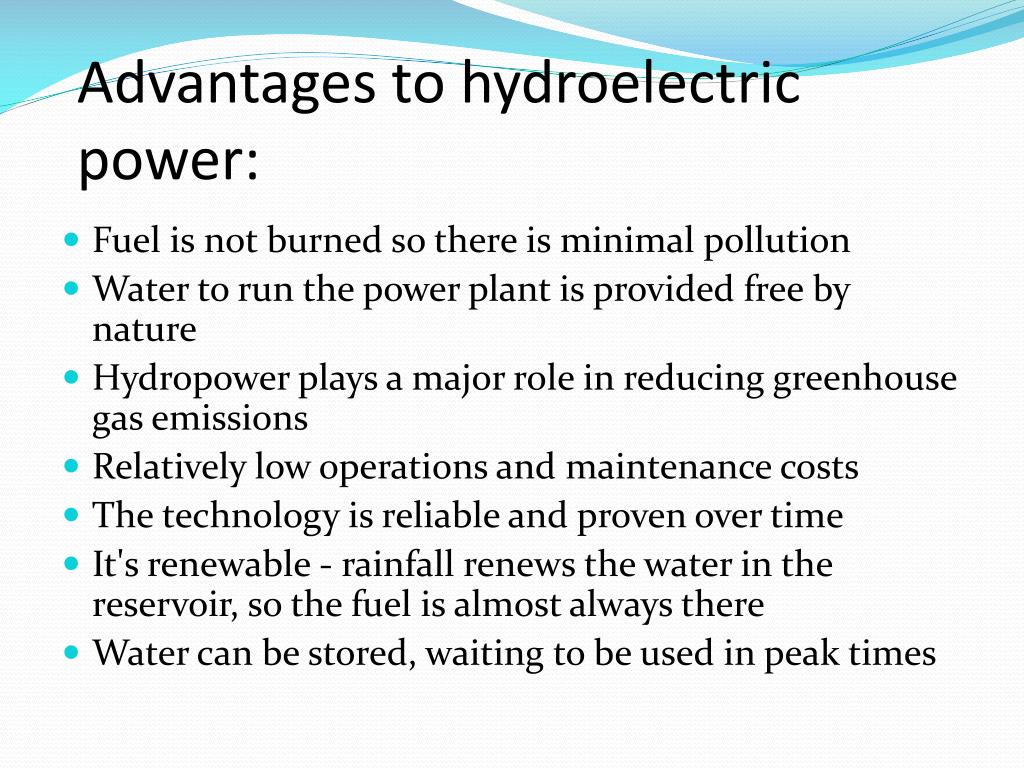
However, it’s not all sunshine and rainbows. Building dams can be expensive and can disrupt ecosystems. It’s a little like renovating your kitchen - you might end up eating takeout for weeks and find random tools in your sock drawer, but in the end, you’ll have a beautiful, functional space. In the case of dams, careful planning and mitigation efforts are super important.
The Takeaway
So, the next time you flip a light switch, think about the power of water. Hydroelectric energy is a powerful, renewable, and relatively clean way to generate electricity. It's not a perfect solution, but it's a pretty darn good one, and definitely a step in the right direction towards a more sustainable future. Now, if you’ll excuse me, I’m going to go refill my water bottle. All this talk about water has made me thirsty!