What Is Aluminum Made Out Of
Alright, gather 'round, folks! We're about to dive into one of those "facts" that will either make you nod knowingly or completely blow your socks off. It's about a material so common, so everyday, you probably touched it three times before breakfast. I'm talking about aluminum.
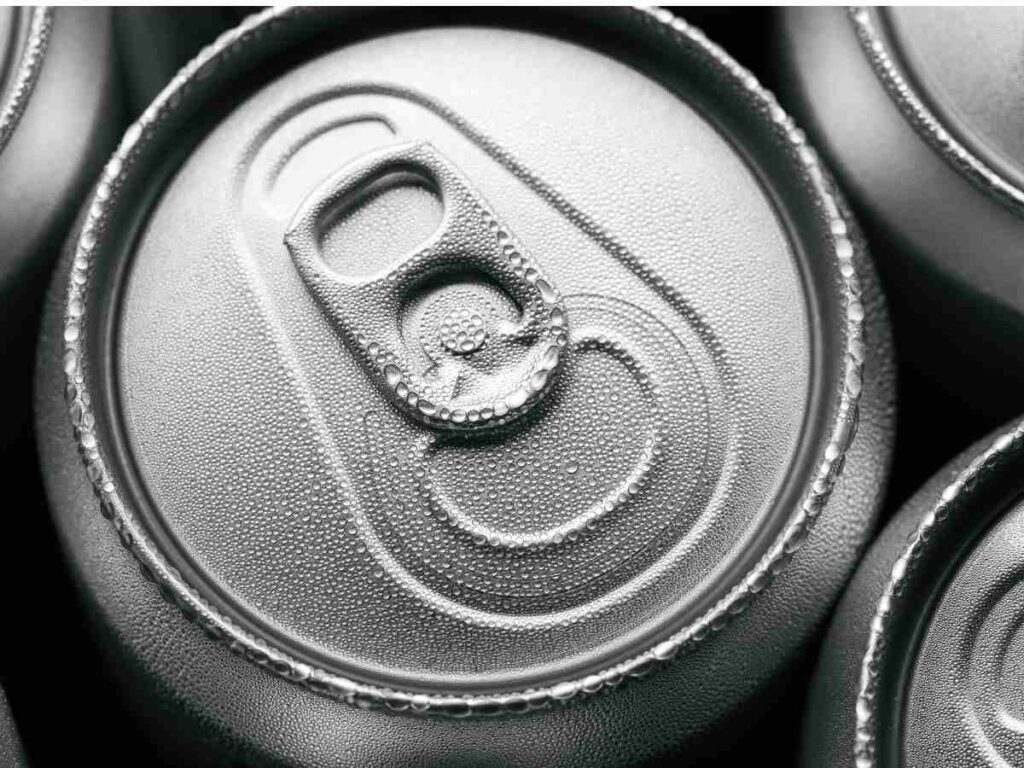
You know aluminum, right? It's your soda can, your foil wrapper, maybe even parts of your car or a fancy airplane wing. It’s shiny, it’s light, it’s strong. It screams "modern invention!" It practically hums with the promise of sleek, futuristic living.
But have you ever stopped to actually think about what aluminum is made out of? Really think about it? Most people don't. And that, my friends, is where my deliciously unpopular opinion comes in. Because the truth is, a lot more of the world than you realize is just fancy dirt.
Must Read
Yeah, I said it. Dirt. Don't look at me like that! It's true! You're probably picturing scientists in labs, mixing glowing liquids, or maybe some mythical tree that sprouts shiny metal leaves. Oh, how wrong you are, my dear reader.
The Big Reveal: It's All About the Earth
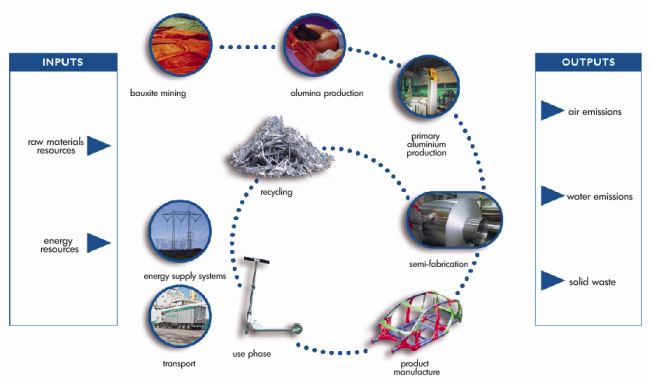
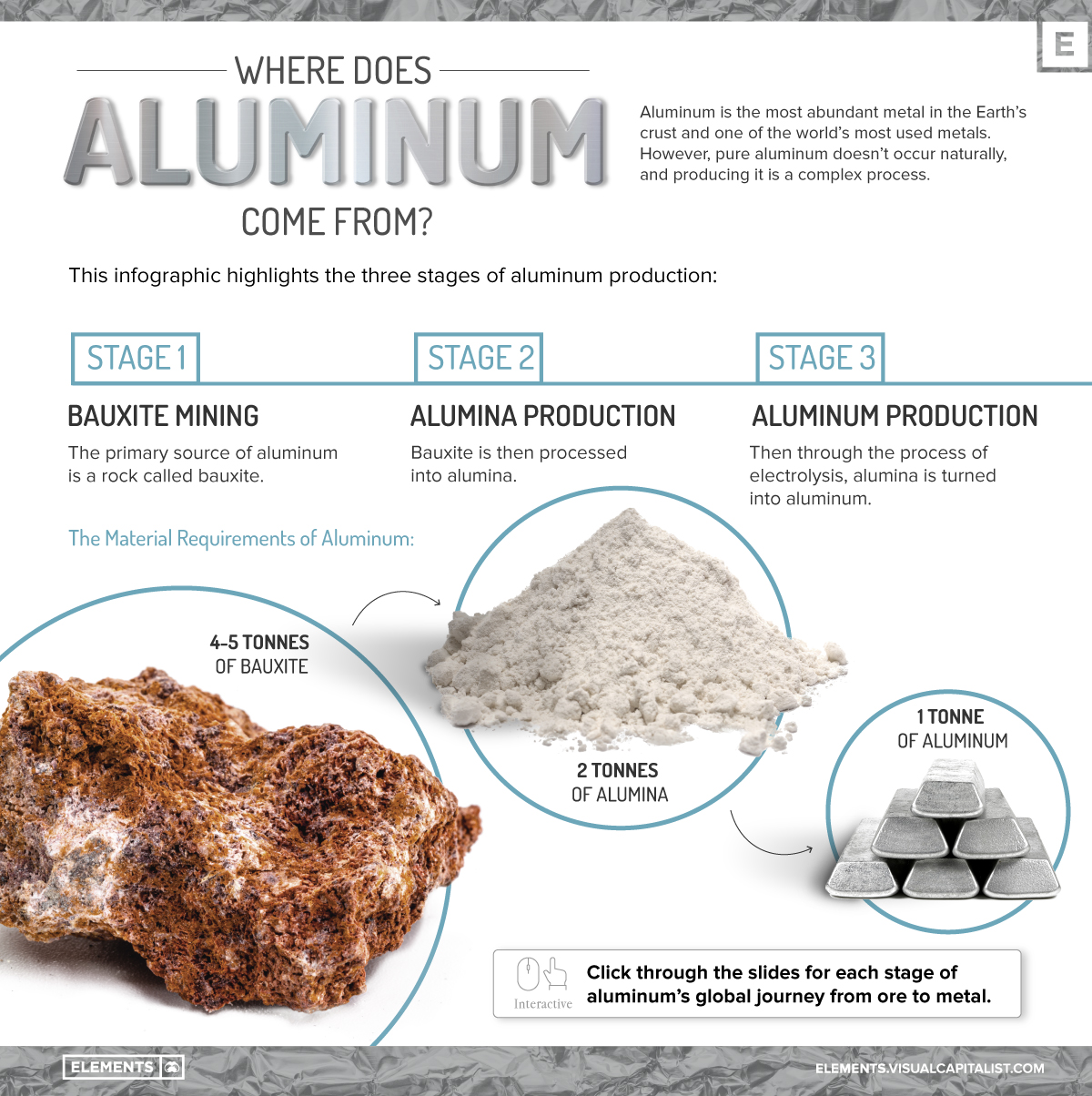
The vast majority of the aluminum in the world starts its life as a rather unimpressive, reddish-brown rock called bauxite. Yes, bauxite. It doesn't sparkle. It doesn't glint. It basically looks like, well, a particularly stubborn lump of dirt you might find in a garden that really needs weeding. It’s mined from the ground, often in tropical places, where it's plentiful.
"Your shiny soda can, soaring airplane, or crinkly foil? All started as glorified dirt. Let that sink in."
So, how does this humble, reddish dirt become the super-metal we all know and love? It’s not magic, but it’s certainly an industrial marvel. The process is a bit like a dramatic glow-up for a very shy rock.
First, the bauxite ore is crushed and then goes through a refining process. This involves heating it up with chemicals, which basically separates the useful bits from the not-so-useful bits. What you're left with after this stage is a fine, white powder. This powder is called alumina. Think of it like a super-pure, highly concentrated essence of dirt, ready for its next big act.

From Powder to Power
Now, this alumina powder is still a long way from being a soda can. To get to actual aluminum metal, the alumina goes into a massive electrical furnace. This is where things get serious – and seriously hot. We're talking temperatures that would make a dragon sweat. A huge amount of electricity is pumped through it, effectively melting and transforming the alumina.
It's like giving that white powder a lightning bolt facial. The electricity breaks the strong chemical bonds in the alumina, liberating the pure aluminum metal. This molten metal is then poured and shaped into ingots, which are essentially big blocks of pure aluminum, finally ready to be turned into all those wonderful things we use every day.
It's an incredibly energy-intensive process, which is why you might hear a lot about recycling aluminum. Recycling an aluminum can saves a massive amount of energy compared to making a new one from scratch. It's like skipping the whole "dirt to powder to metal" saga and just getting straight to the good part!
Embrace the Dirt!
So, the next time you pop open a can of your favorite beverage, or marvel at the sleek design of an airplane, take a moment. Remember its humble beginnings. Remember that this incredibly useful, lightweight, and versatile material started as nothing more than a reddish lump of bauxite, lying patiently in the earth.
It's a testament to human ingenuity, sure, but also a hilarious reminder that some of the most advanced materials in our lives are just a few chemical reactions away from being, well, glorified dirt. And honestly? I think that makes aluminum even cooler. It's proof that even the most unassuming beginnings can lead to something truly extraordinary. Go forth, and share this dirty secret with pride!