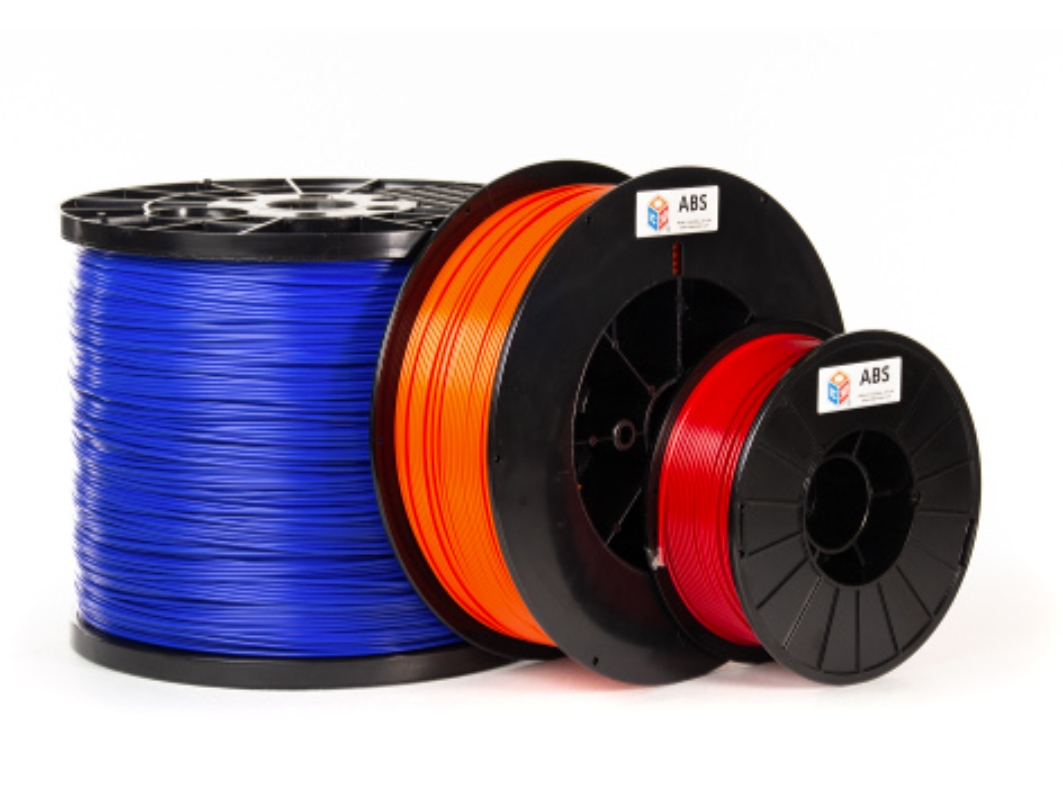
What Is Abs Filament Used For

You know that feeling, right? You accidentally drop something – maybe a phone, a remote, or even a beloved toy – and for a split second, your heart actually skips a beat. You brace yourself for the inevitable crack, the shattered pieces, the end of an era. But then... thud. It bounces. Maybe a little scuff, but otherwise, perfectly intact. You pick it up, examine it, and a silent cheer goes up in your head. "This thing is a tank!" you think. Ever wonder what magical material makes some everyday objects so incredibly resilient?
Well, often, that unsung hero is a plastic called ABS. And if you're into 3D printing, you've probably heard the name, maybe even seen it sitting next to the more common PLA on the shelf. But what is ABS filament really used for? Why would you choose it over, say, its friendlier cousin, PLA? Let's dive in.
What Exactly Is ABS Filament, Anyway?
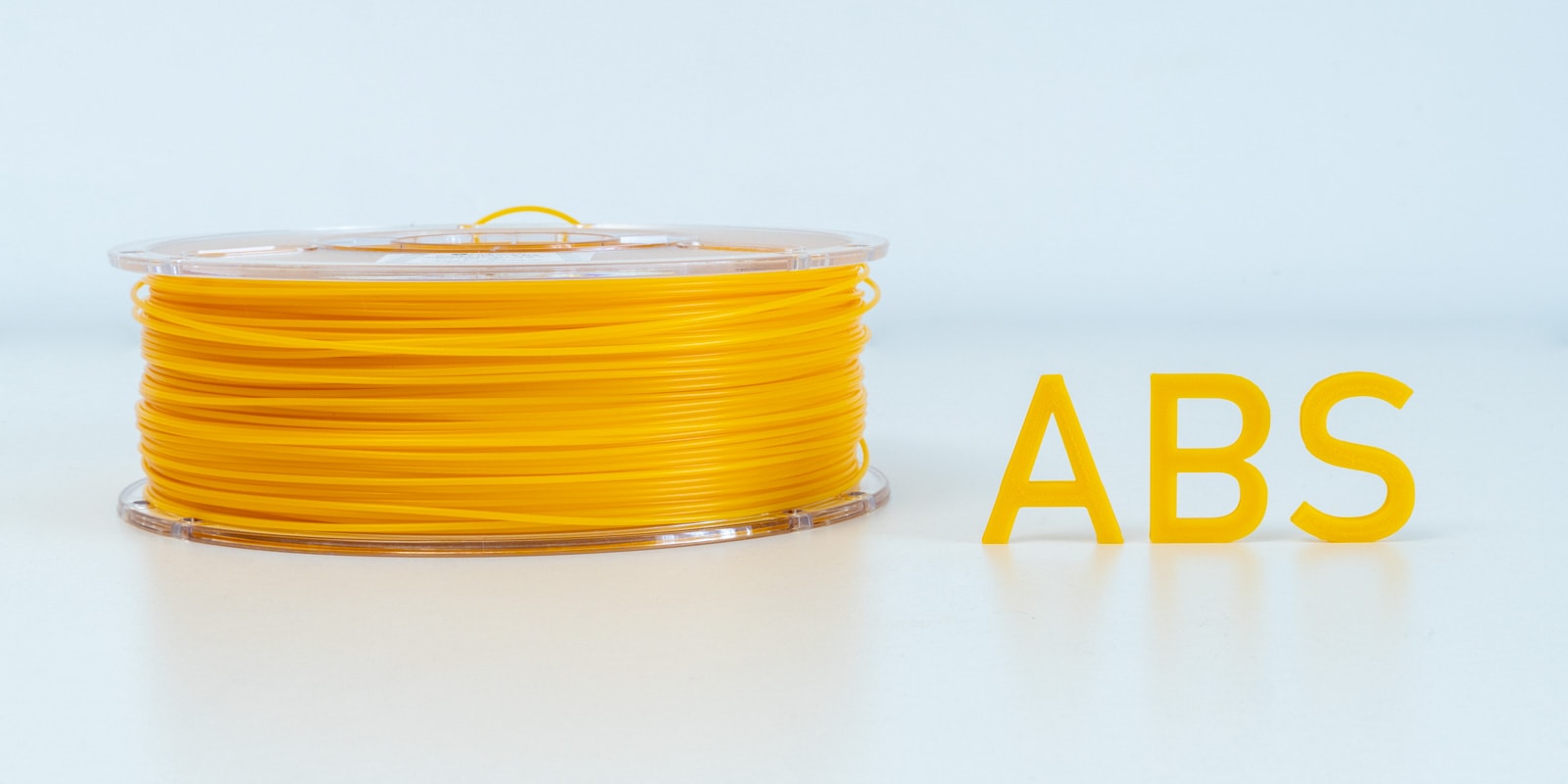
Alright, let's get the nerdy bit out of the way. ABS stands for Acrylonitrile Butadiene Styrene. Don't worry, I won't quiz you on that tongue-twister. What you do need to know is that it's a very common thermoplastic polymer that's been around for ages. Think of it as one of the workhorses of the plastic world. It's the stuff many of your car's interior parts are made of, the casing of your computer monitor, and yes, those virtually indestructible LEGO bricks!
Must Read
In the 3D printing realm, it means a filament that's known for its strength, durability, and impressive temperature resistance. Basically, when PLA just isn't tough enough for the job, ABS often steps up to the plate.
So, What Can You Actually Make With This Stuff?
This is where it gets fun. Because of its inherent properties, ABS opens up a whole new world of functional printing. Here are some of its prime applications:
1. Parts That Need to Take a Hit (Literally!)
Remember that anecdote? ABS is built for impact. If you need a part that's going to be bumped, knocked, or generally abused, ABS is a fantastic choice. Think about:
- Tool Handles and Housings: Ever dropped a drill? Its casing likely contains ABS. You can print custom handles or protective enclosures for your own tools.
- Protective Casings for Electronics: Need a sturdy box for a Raspberry Pi project or a custom enclosure for a sensor that might get knocked around? ABS offers that much-needed buffer.
- Functional Prototypes: When you're testing a design and need a prototype that can withstand real-world stress and repeated handling, ABS is your go-to.
2. Functional Prototypes & End-Use Parts
Beyond just taking a beating, ABS offers good stiffness and rigidity, making it excellent for actual working parts:

- Jigs and Fixtures: If you're a DIY enthusiast or work in a workshop, custom jigs and fixtures for repetitive tasks can significantly improve efficiency. ABS holds its shape and strength under stress.
- Automotive Parts: While you're probably not printing engine blocks, internal components that don't face extreme heat or external exposure (like custom dashboard inserts, console organizers, or even replacement trim pieces) are perfect for ABS.
- Connectors and Fasteners: Need a custom bracket or a strong connector for a project? ABS has the mechanical properties to perform reliably.
3. Anything That Needs a Bit of Heat Resistance
Unlike PLA, which can start to soften at relatively low temperatures (think a hot car on a summer day!), ABS can withstand higher temps without deforming. This makes it suitable for:
- Parts Near Heat Sources: If your print will be near a motor, inside an appliance that gets warm, or even just sitting on a windowsill in direct sun, ABS is a safer bet.
- Components in Enclosures: Electronics generate heat, and if you're printing an enclosure, ABS will manage that internal temperature better than most other common filaments.
4. When Aesthetics Matter (With a Catch)
Here's a cool trick: ABS can be vapor smoothed with acetone. This process melts the outermost layer of the print, eliminating layer lines and giving it a super smooth, glossy finish that looks almost injection-molded. It's a bit advanced and requires caution (acetone fumes!), but the results can be stunning for presentation pieces or parts where a sleek finish is crucial. Just don't try this in your kitchen, okay? Proper ventilation is key!
The "But Wait, There's a Catch" Section (aka Downsides)
No filament is perfect, right? ABS, despite its superpowers, does have a few quirks you need to be aware of:
- Fumes: ABS produces a noticeable odor and some potentially irritating fumes when printing. A well-ventilated space or, ideally, an enclosure with a filter, is highly recommended. Seriously, your lungs will thank you.
- Warping: ABS loves to shrink as it cools, which can lead to parts lifting off the print bed (warping). To combat this, you'll almost certainly need a heated print bed (usually around 90-110°C) and often an enclosure for your printer to maintain a consistent ambient temperature. It's not as plug-and-play as PLA, if you catch my drift.
So, Is ABS Right For Your Next Project?
If you're looking for prints that are strong, durable, heat-resistant, and can stand up to a fair bit of punishment, then ABS is definitely worth considering. It's a fantastic material for functional parts, tools, and anything that demands more robustness than standard PLA can offer. It might require a bit more effort and a proper setup (hello, enclosure!), but the results are often well worth the extra step.
So, next time you marvel at the toughness of an everyday object, give a little nod to ABS. And who knows, maybe it'll be the perfect material for your next 3D printing adventure!