What Is A Typical Electric Bill For An Apartment
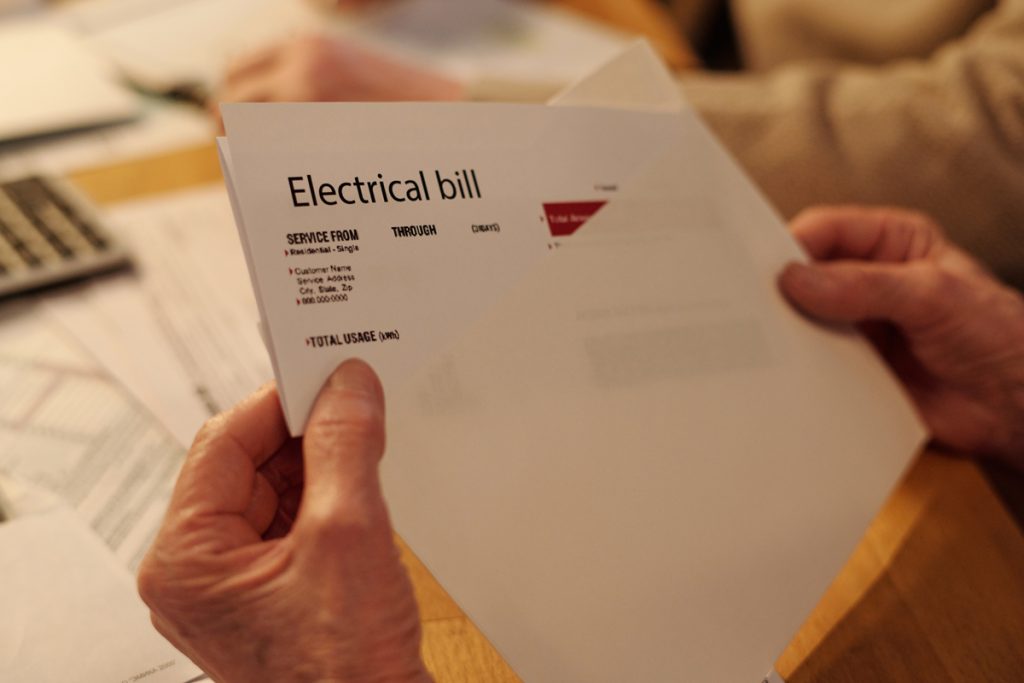
Okay, let's talk about that monthly jolt of electricity that hits your bank account: your apartment's electric bill. It's a universal experience, like stubbing your toe or accidentally replying-all to a company-wide email. We all pay it, but how much should you be paying?
The truth is, figuring out a "typical" electric bill for an apartment is like trying to herd cats. There are just so many variables. Are you living in a cozy studio or a sprawling loft that used to be a bowling alley? Are you running your AC like you're trying to recreate the Arctic in your living room, or are you a "windows open, nature's AC" kind of person? Do you hoard incandescent lightbulbs like they're vintage Beanie Babies? All these things matter.
Generally speaking, you might find averages hovering around $50 to $150. But, like I said, that's a broad stroke. Think of it this way: $50 might get you if you're living in a well-insulated shoebox and only use electricity to charge your phone and power a reading lamp. $150? That's probably closer to reality if you have central air, a computer that's constantly running, and a penchant for leaving lights on because you're convinced monsters only attack in complete darkness. (They don't. Probably.)
Must Read
The Apartment Size Shuffle
Size obviously plays a huge role. A smaller apartment requires less energy to heat and cool. It's like trying to air condition a teacup versus a bathtub. A one-bedroom apartment will likely have a lower bill than a two-bedroom, all else being equal. Think of it as an energy efficiency sliding scale - smaller the space, smaller the bill (usually!).
Climate Control Chaos
Then there's the climate you live in. If you're basking in the year-round sunshine of Southern California, your AC is going to be your best friend (and your electricity bill's worst enemy). Conversely, if you're nestled in a frosty Minnesota winter, your heating system is going to be working overtime, turning that dial of the electric meter like a hamster on a wheel. The temperature extremes dramatically impact your usage.

The Phantom Load Lurkers
And don't forget about the dreaded "phantom load!" These are the sneaky energy vampires that suck power even when your devices are turned off. That charger plugged into the wall? That TV on standby? They're all silently contributing to your bill. Unplugging these devices can save you a surprising amount of money over time. Think of it as a passive income stream, only instead of earning money, you're not losing it.
My grandma, Ethel, had this whole thing down. She'd unplug everything when she wasn't using it. I remember once she even unplugged the toaster oven mid-toast! It was a little extreme, but she saved a fortune. I always admired her dedication to energy conservation, even if it meant slightly under-toasted bread.

Appliance Adventures and Bulb Battles
The type and efficiency of your appliances also matter. That ancient refrigerator you inherited from the previous tenant? It might be costing you a small fortune. Upgrading to energy-efficient appliances can significantly reduce your bill. And those incandescent lightbulbs? Ditch 'em! Switch to LEDs. They last longer and use way less energy. It's like trading in a gas-guzzling monster truck for a fuel-efficient hybrid. A win-win!
So, what's the takeaway? There's no magic number for a "typical" apartment electric bill. But understanding the factors that influence your usage – apartment size, climate, appliances, and those pesky phantom loads – can empower you to take control and potentially shrink that monthly bill. It might even make you feel a little bit like Ethel, the energy-saving queen!
Finally, if you're genuinely concerned that your bill is unusually high, contact your utility company. They can often provide usage reports and help you identify potential problems. Maybe there's a faulty appliance draining energy or a hidden electrical gremlin wreaking havoc in your wiring. It's always worth investigating. Good luck, and may your electric bills be ever in your favor!