What Is A Strong Wind Called
Have you ever stepped outside and felt a powerful gust of wind, strong enough to ruffle your hair, send leaves dancing, or even make you stumble a little? It’s a common experience, but have you ever paused to wonder, what exactly do we call a wind that strong? It turns out, there isn't just one name; our language is wonderfully rich with terms to describe the incredible variety and intensity of wind. Exploring these names isn't just a fun linguistic exercise; it's a fascinating way to connect with the natural world and appreciate the nuances of our environment.
The purpose of having different names for strong winds goes far beyond mere vocabulary. It’s fundamentally about communication and safety. Imagine a sailor trying to describe perilous conditions at sea, or a meteorologist issuing a critical weather warning. A simple "it's windy" just won't cut it. Specific terms allow us to convey precise information about wind speed, potential impact, and associated dangers. This precision is invaluable, helping us understand, prepare for, and respond to weather phenomena effectively, ultimately protecting lives and property. It also adds a poetic richness to our descriptions of nature, allowing us to capture the specific character of a blustery day or a raging storm.
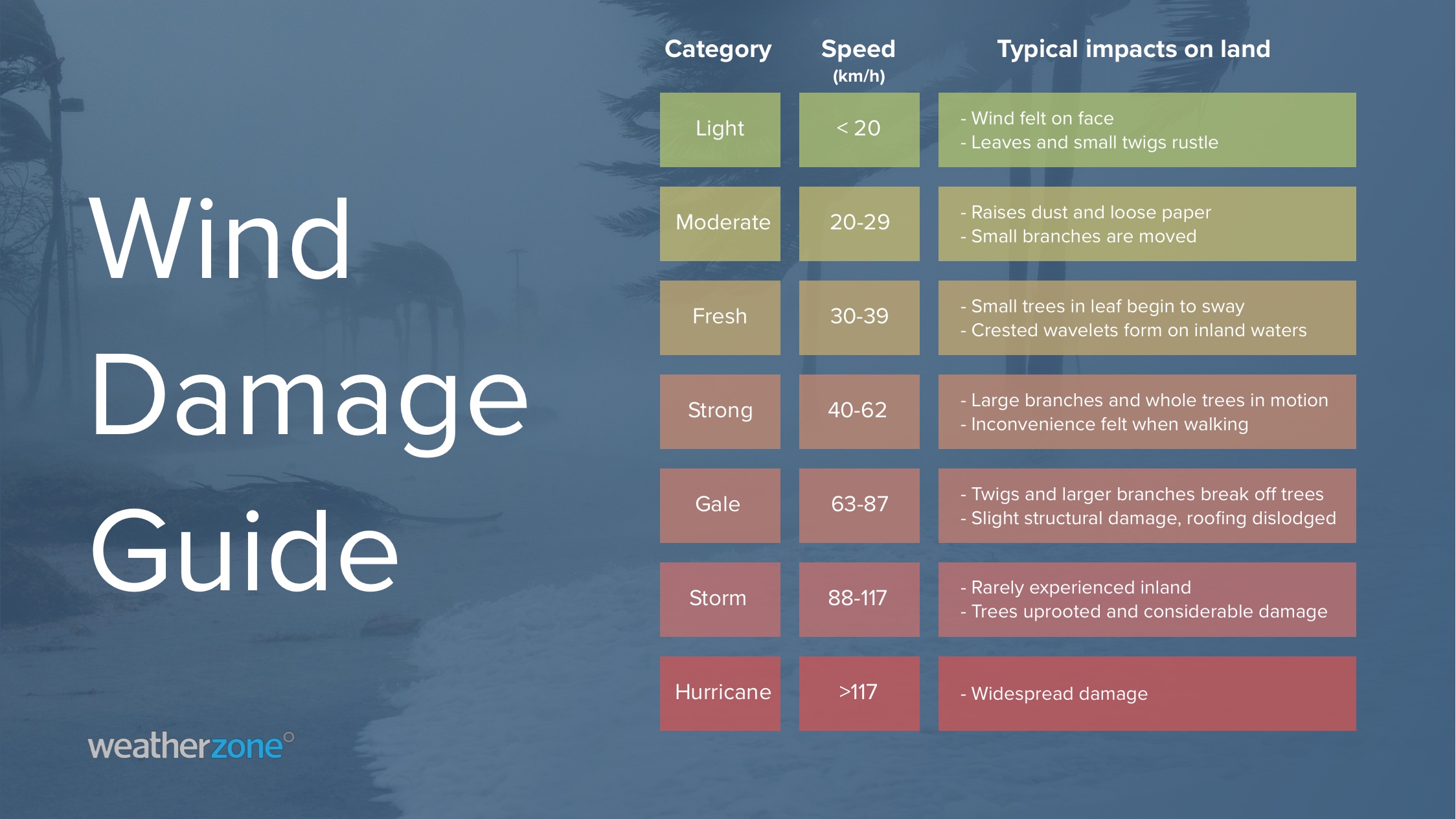
These terms are incredibly useful in various aspects of daily life and education. In a meteorology class, students learn about the Beaufort Scale, a brilliant system that classifies wind speeds based on observable effects, giving precise names like "gale," "storm," and "hurricane." This isn't just academic; pilots and sailors rely on these distinctions constantly for navigation and safety, differentiating between a manageable "fresh breeze" and a dangerous "strong gale" or "cyclone." Even in literature, authors use terms like "tempest" or "squall" to evoke specific moods or settings, painting vivid pictures with words. When you hear a weather forecast mention a "severe gale warning," you immediately understand the gravity of the situation, thanks to this shared vocabulary.
Must Read
So, what are some of these powerful wind monikers? Beyond the gentle "breeze," we quickly escalate to a fresh breeze, followed by a strong breeze. Then things get really interesting: a gale signifies winds strong enough to make walking difficult, while a strong gale can cause structural damage. Beyond that, we enter the realm of a storm, and at the most extreme end, a hurricane, typhoon, or cyclone – all regional names for the same devastating tropical weather system. We also have more localized or momentary terms like a "squall," which is a sudden, sharp increase in wind speed, or a "gust," a brief burst of wind. Each name conjures a specific image and level of intensity, reflecting the incredible spectrum of wind's power.
To explore this fascinating topic further, start by simply paying closer attention to weather reports. Listen for the specific terms meteorologists use. You can also look up the Beaufort Scale online; it’s a wonderful visual guide to understanding what each wind strength looks like in action. Next time it’s windy outside, observe your surroundings: are tree branches swaying gently, or are they bending violently? Are flags snapping, or perhaps entire structures rattling? By connecting the observed effects with the names, you’ll deepen your appreciation for both language and nature. It's a simple, enjoyable way to cultivate a richer understanding of the world around us and the powerful forces that shape it, fueling your natural curiosity.