What Is A Smart Electric Meter
Ever found yourself staring at your electricity bill, wondering exactly where all that power went? Or perhaps you've heard whispers of a new kind of meter that's, well, a little smarter than its old-fashioned ticking predecessor? If so, you're in for a treat! Understanding what a smart electric meter is isn't just about utility bills; it's about peeking into the future of how we interact with energy, and frankly, it's pretty fascinating.
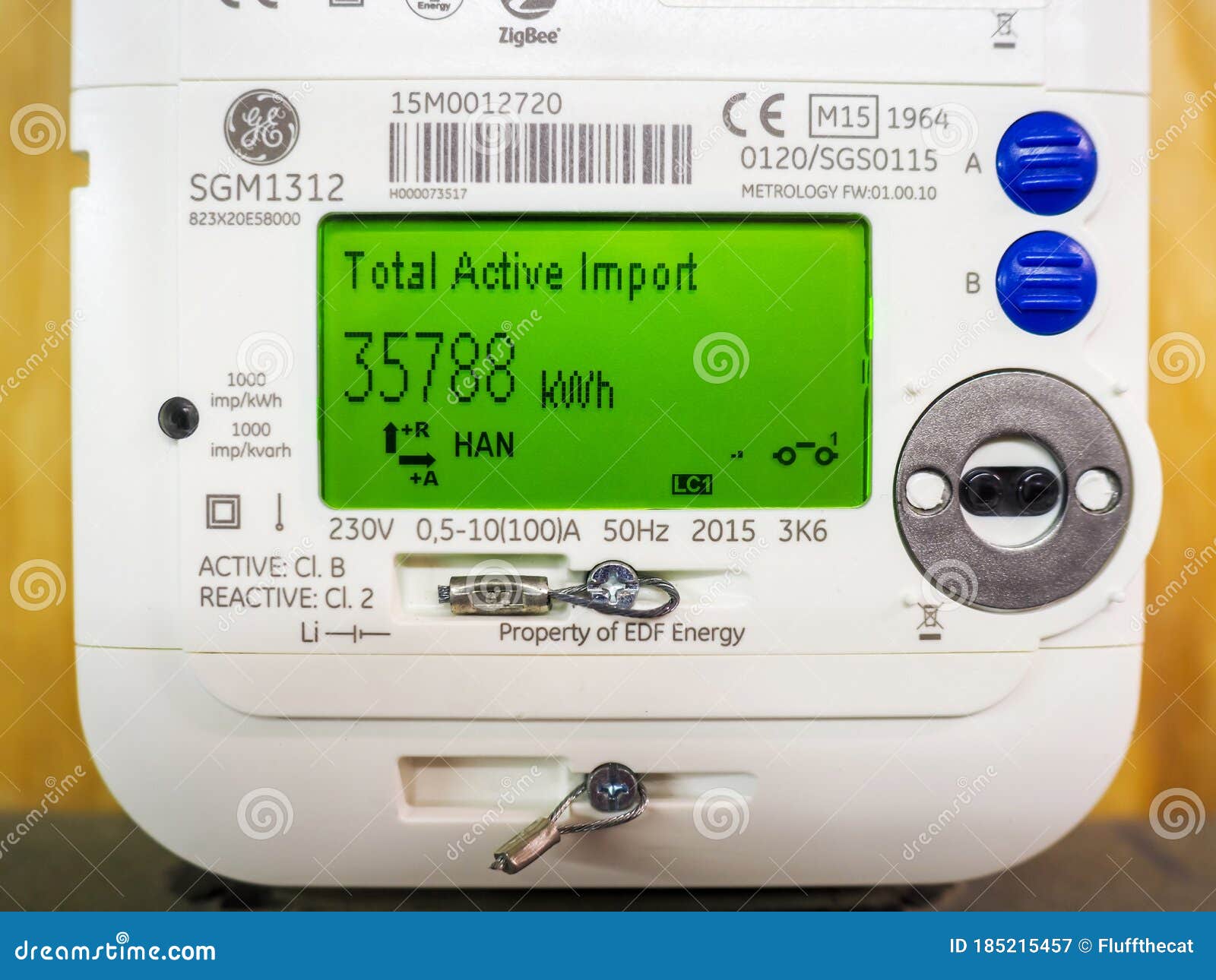
At its heart, a smart electric meter is a modern digital device that records your electricity consumption in much greater detail than the old mechanical meters. But here's the clever part: it can also communicate that information wirelessly back to your utility company. Think of it as upgrading from a clunky old flip phone to a sleek smartphone. Its main purpose is to provide accurate, real-time data about your energy use. This means no more estimated bills based on guesswork, and no more needing a meter reader to physically come to your home. The benefits are quite compelling: for you, it can lead to a deeper understanding of your energy habits, potentially saving you money. For the utility, it helps them manage the grid more efficiently, detect outages faster, and even integrate more renewable energy sources like solar and wind with greater ease, paving the way for a truly smart energy grid.
So, how does this play out in daily life or even in learning? Imagine checking an app on your phone and seeing exactly how much electricity you're using right now. You might notice a huge spike when the dryer is running or a consistent hum from an old, inefficient fridge. This real-time insight empowers you to make smarter choices – maybe doing laundry during off-peak hours when electricity is cheaper, or finally upgrading that energy-guzzling appliance. In an educational setting, smart meters offer a fantastic hands-on lesson in energy conservation and data analysis. Students could monitor the energy consumption of different devices in their school, create graphs showing peak usage times, and even propose solutions for reducing the school’s carbon footprint. It turns abstract energy concepts into tangible, actionable data.
Must Read
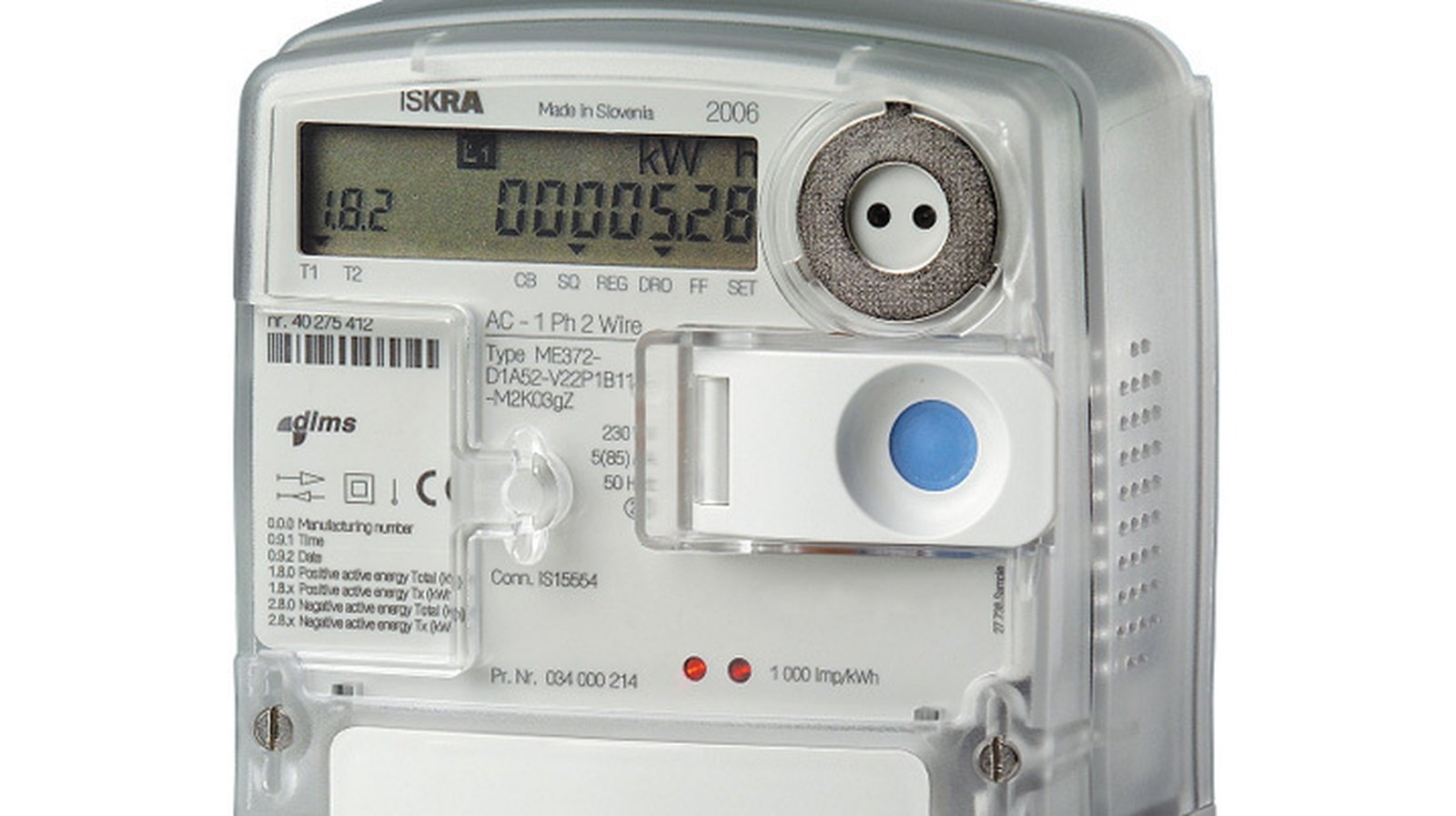
Curious to explore this in your own home? It’s surprisingly simple! First, check your existing electricity meter – many homes in various regions already have them. They typically look digital, often with an LCD screen instead of spinning dials. If you're unsure, a quick call to your electricity provider will clarify whether you have one and what features are available to you. Many utilities offer online portals or smartphone apps where you can view your detailed usage data. A fun little experiment is to watch your meter's readout (or the app's real-time display) as you turn different appliances on and off. You'll quickly get a feel for which devices are the biggest energy hogs. Engaging with your smart meter is less about complex technology and more about gaining awareness and control over your own energy footprint, helping you save money and contribute to a more sustainable future.