
What Is A Self Ballasted Bulb

Hey there! Ever looked at a light bulb, the trusty beacon in your home, and thought, "What is actually going on in there?" Most of us just screw it in and forget it. But beneath that simple glow, there's a world of clever engineering. Today, we're diving into something called a self-ballasted bulb. Sounds super techy, right? Don't worry, it's actually pretty fun!
Imagine your light bulb as a tiny, temperamental rockstar. This rockstar needs a manager. Why? Because electricity, like an excited fan, can sometimes be a bit too enthusiastic. Send too much power, too fast, and our rockstar bulb goes poof! in a flash. That's where the "manager" comes in.
So, What's a Ballast, Anyway?
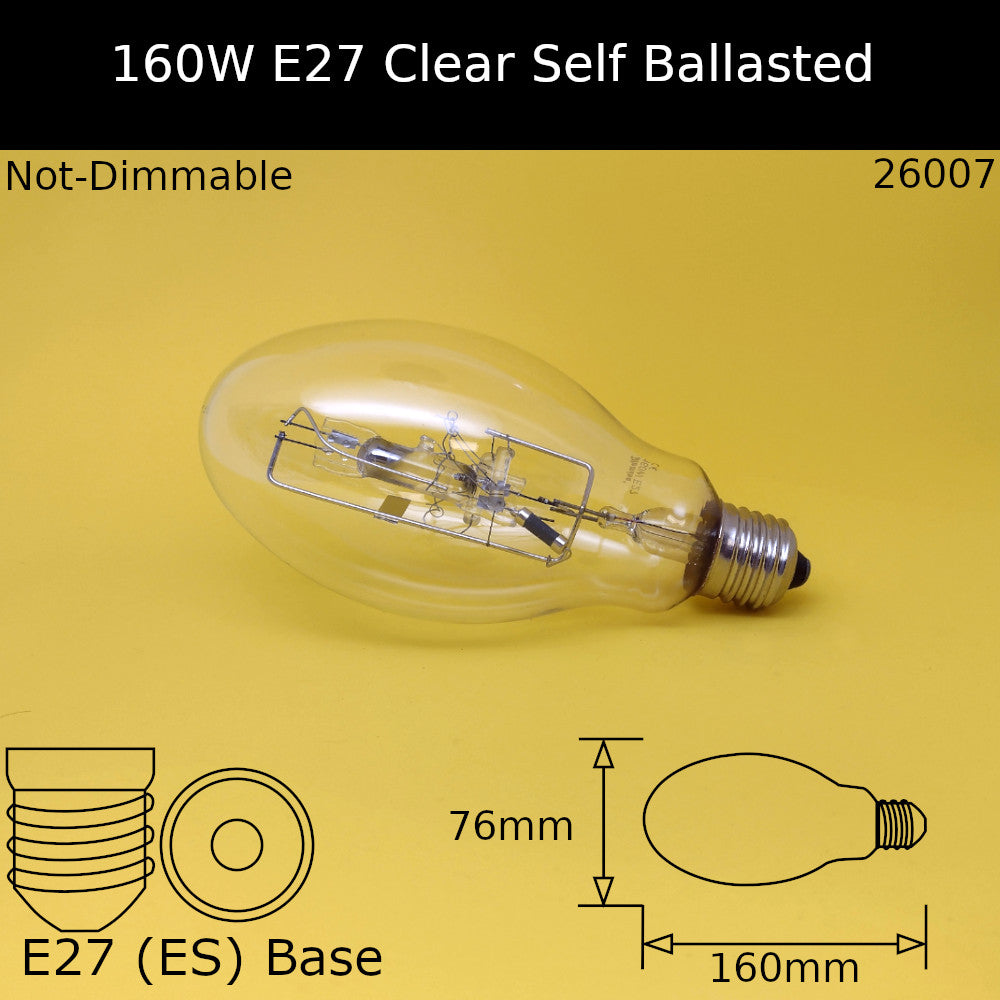
Think of a ballast as a bouncer for electricity. Its job is to regulate the flow, to limit the current, and generally make sure your light bulb doesn't get overloaded and burn out. Many types of lights, especially older ones like fluorescent tubes or even some fancy high-intensity discharge (HID) lamps, absolutely need a ballast to function correctly and safely.
Must Read
Picture those long, buzzing fluorescent lights in old schools or offices. They often had a separate, chunky box nearby, or hidden in the fixture. That was the ballast! It was a whole other component, doing its vital job outside the bulb itself. Kind of clunky, right?
But what if you could shrink that bouncer down? What if you could give your rockstar bulb its own personal manager? One that lives right inside its dressing room, or in this case, its base?
Enter the "Self-Ballasted" Genius!
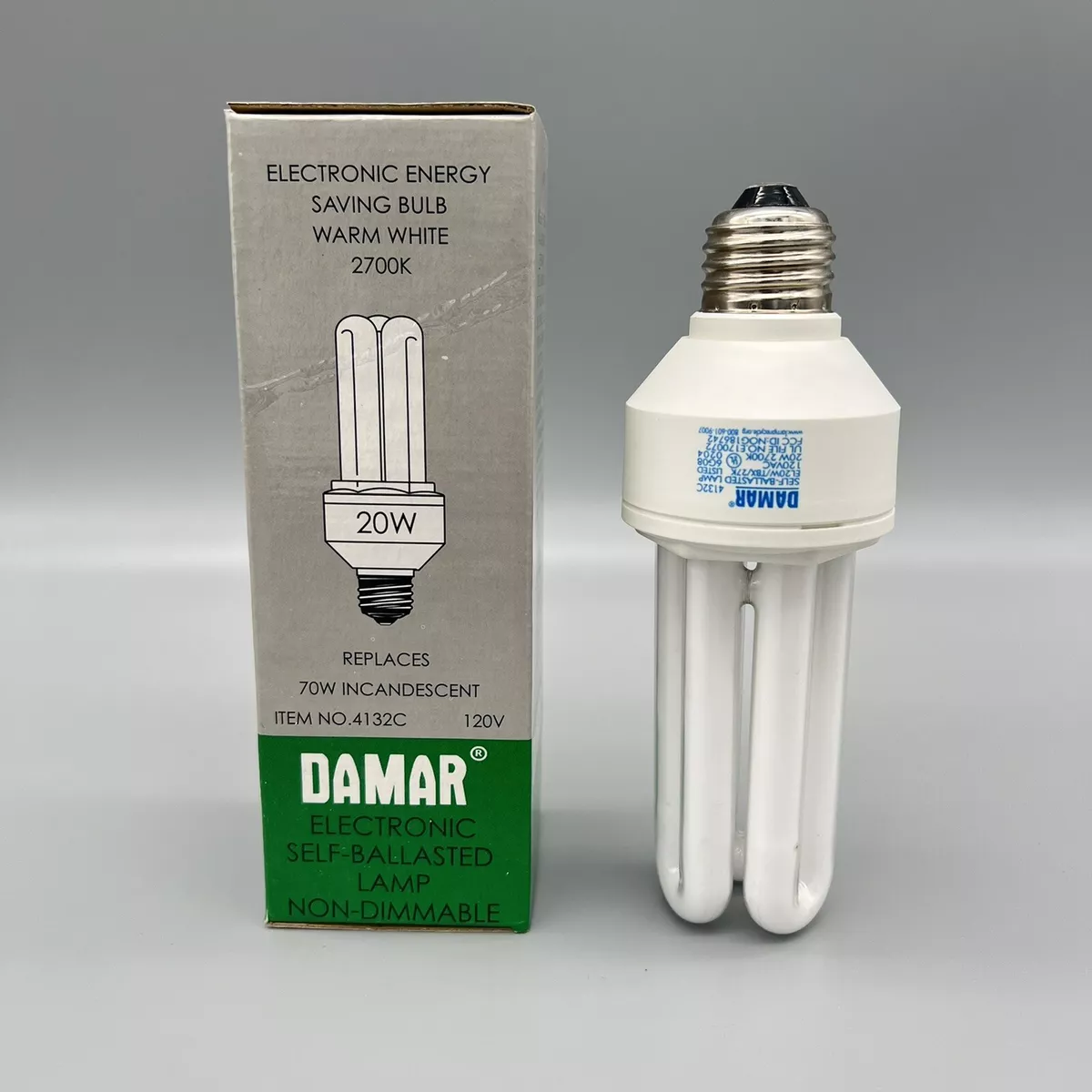
That, my friends, is the magic of a self-ballasted bulb. It means the ballast, that crucial electrical bouncer, isn't a separate, bulky component. Instead, it's miniaturized and built right into the bulb itself. Poof! One sleek package, no external bits needed.
It's like carrying around a separate charger for your phone versus having a phone with a built-in battery. One is far more convenient, isn't it?
This clever design is all about integration and convenience. You just screw it in, and it works. No fuss, no muss. The bulb has everything it needs to handle the electricity and shine brightly.
Where Did We First See These Marvels?
The most famous early example of a self-ballasted bulb that most of us remember (and maybe still have lurking in a lamp) is the Compact Fluorescent Lamp, or CFL. You know the ones – those curly-q tubes with the chunky white base? Remember how different they looked from traditional incandescent bulbs?
That chunky base wasn't just for show. Tucked inside that base was the entire miniaturized ballast circuit. It allowed those energy-efficient fluorescent tubes to run directly from your regular light socket, no special fixture required. It was a big deal, a real step forward in making efficient lighting accessible for everyone.
Before CFLs, if you wanted fluorescent light, you typically needed a dedicated fixture with an external ballast. The CFL changed the game, making a clunky technology into a simple screw-in solution. Pretty neat, huh?
The Modern Era: LEDs Take the Crown
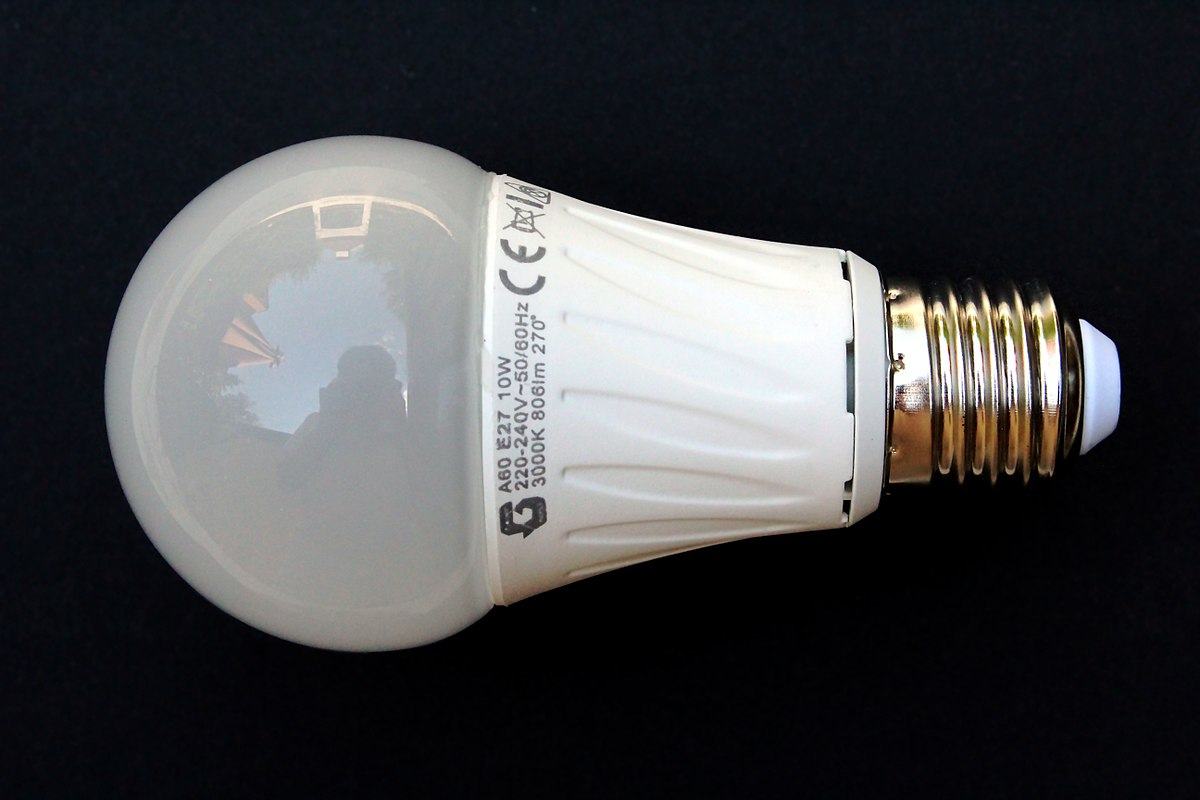
Today, when you hear "self-ballasted bulb," you're almost certainly talking about an LED bulb. Yes, even your super-efficient, long-lasting LED bulbs are self-ballasted!
LEDs, just like their fluorescent cousins, don't like raw, unregulated household electricity. They need a "driver" – which is essentially a very sophisticated, tiny ballast – to convert the alternating current (AC) from your wall socket into the direct current (DC) they need, and to regulate the voltage and current precisely.

Thanks to incredible advances in microelectronics, these LED drivers are incredibly small. They fit seamlessly into the standard E26 (or E27 in other parts of the world) screw-in base. So, when you pop in a new LED, you're not just screwing in a light source; you're screwing in a miniature power management system!
Why Is This All So Fun To Talk About?
Because it's a hidden world of cleverness! It's about taking something complicated and making it incredibly simple for the end-user. It shows how engineers are constantly shrinking technology and integrating functions to make our lives easier.
Next time you glance at a light bulb, give a little nod to the unsung hero, the tiny electrical bouncer, living quietly in the base. It’s a testament to the fact that even the most everyday objects are often packed with fascinating, intricate designs. It makes you wonder what other cool tech is hiding in plain sight, doesn't it?