What Is A Rivet Tool Used For

Ever walked past a display of tools at the hardware store and wondered what that gadget with the menacing-sounding name, a rivet tool, actually does? Well, prepare to have your DIY world expanded! This isn't just for mechanics or industrial workers; a rivet tool is a surprisingly versatile and incredibly satisfying piece of kit that can bring a touch of professional durability to your everyday projects. It's fun because it offers a quick, strong, and permanent way to join materials, often with a satisfying little "pop" that signals a job well done!
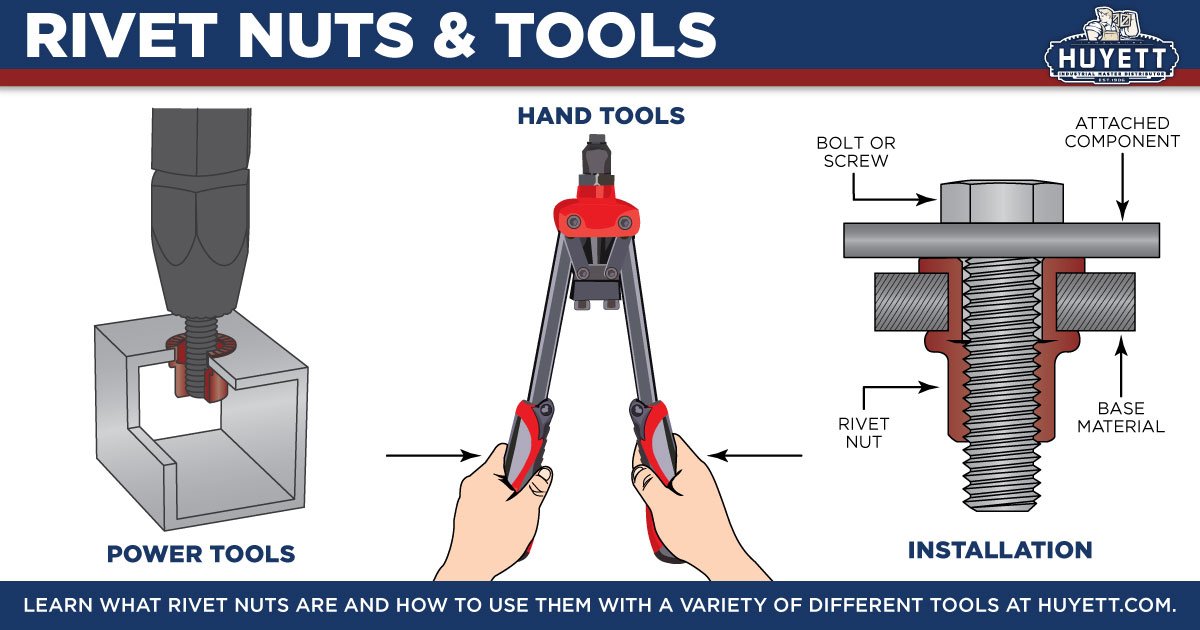
So, what exactly is a rivet tool used for? At its heart, a rivet tool (often called a pop rivet gun or riveter) is designed to securely fasten two or more pieces of material together using a special fastener called a rivet. Think of it as a super-strong, permanent alternative to screws, nuts and bolts, or even welding for certain applications. It’s wonderfully straightforward!
For beginners and general DIYers, a rivet tool is a game-changer for quick fixes around the house. Got a loose handle on a metal toolbox? Need to repair a piece of sheet metal on a garden shed? Or perhaps reinforce a plastic container? A rivet tool can make these repairs incredibly strong and lasting, often much easier than trying to drill and screw into thin materials. It’s perfect for creating strong joints without needing a lot of finesse or complex tools.
Must Read
For families and creative hobbyists, the benefits are even more diverse. Imagine reinforcing a wobbly child's wagon or repairing a backpack strap where the stitching has failed. Crafters love rivet tools for adding a cool, industrial look to leatherwork like belts and bags, or for assembling unique metal art pieces. It’s a fantastic way to create strong, mechanical bonds in projects ranging from custom RC cars to handmade jewelry components, giving your creations a really professional finish.
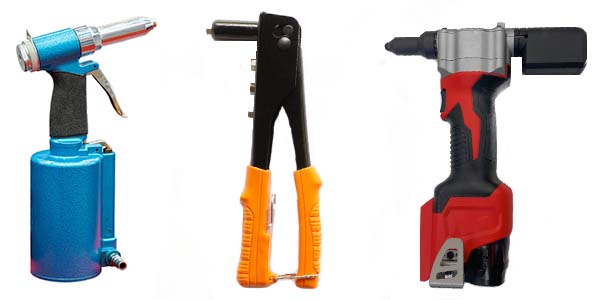
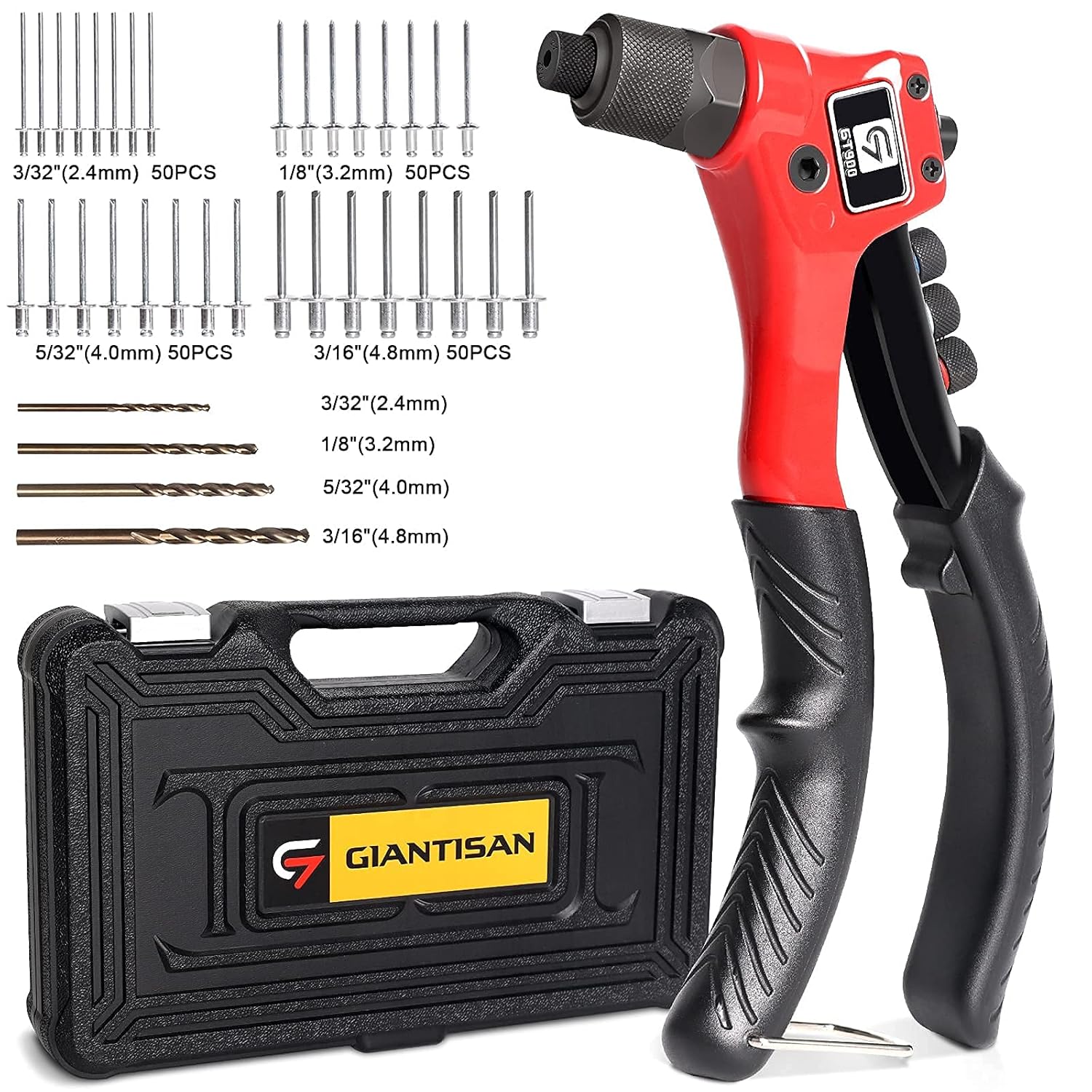
There are a few variations, but the most common type you’ll encounter for home use is the manual hand riveter. You simply drill a hole through your materials, insert a rivet, and then squeeze the tool handles. With a satisfying pop!, the rivet expands and locks the materials together permanently. Rivets themselves come in different sizes and materials like aluminum or steel, suitable for various thicknesses and types of materials such as metal sheets, plastic, and even heavy fabrics or leather.

Ready to try it yourself? Here are some simple, practical tips for getting started:
- Start with a Kit: Many hardware stores sell beginner kits that include a hand riveter and an assortment of commonly used rivets. This is your best entry point.
- Practice on Scrap: Before tackling your main project, grab some scrap metal or plastic. Practice drilling holes and setting rivets to get a feel for the tool.
- Match Drill Bit to Rivet: The hole you drill must be the correct diameter for your rivet. Check the rivet packaging or a size guide.
- Eye Protection: Always wear safety glasses! That "pop" can sometimes send a small piece of the rivet's mandrel flying.
A rivet tool might seem intimidating at first, but it’s an incredibly accessible and valuable addition to any home toolkit. The satisfaction of making a strong, lasting repair or creation with your own hands, all thanks to a simple "pop!", is truly rewarding. Go ahead, give it a squeeze!