
What Is A Non Renewable Resource
You know that feeling, right? You’re cruising along, singing along to your favorite tunes, maybe even planning your next snack stop. Then, BAM! That little orange light flickers on your dashboard. Or worse, the needle just… drops. Yep, I’m talking about running out of gas. That sudden jolt of reality that pulls you right out of your blissful road trip reverie and into a very immediate problem: you need more fuel, and you need it now.
There's this moment of pure, unadulterated annoyance, isn't there? You wish you could just will more gas into existence, or maybe just tap a magic wand. If only. But the stark truth is, that precious liquid powering your chariot isn't just whipped up in a moment's notice.
This little everyday crisis, my friends, is actually a pretty perfect, albeit slightly dramatic, lead-in to understanding something super important about our planet: non-renewable resources. Because unlike, say, your endless supply of witty banter (hey, I believe in you!), some things just don't replenish themselves easily. Or at all, on any timeline that makes sense to us humans.
Must Read
So, What Are We Talking About Here?
Alright, let’s get down to brass tacks. A non-renewable resource is basically any natural resource that either forms extremely slowly – we’re talking millions of years, like tectonic plates moving slower than a snail stuck in molasses – or exists in a fixed, finite quantity. Once we dig it up, burn it, or use it all, it's pretty much gone for good. At least, for countless generations of humans to come.
Think of it like a really, really old bottle of a very rare, exquisite vintage wine. Once you drink it, that particular bottle is gone. You can't just pop down to the store and get another one, because they stopped making it eons ago. And even if they could make more, it would take another million years to reach that same level of "vintage." Get it?
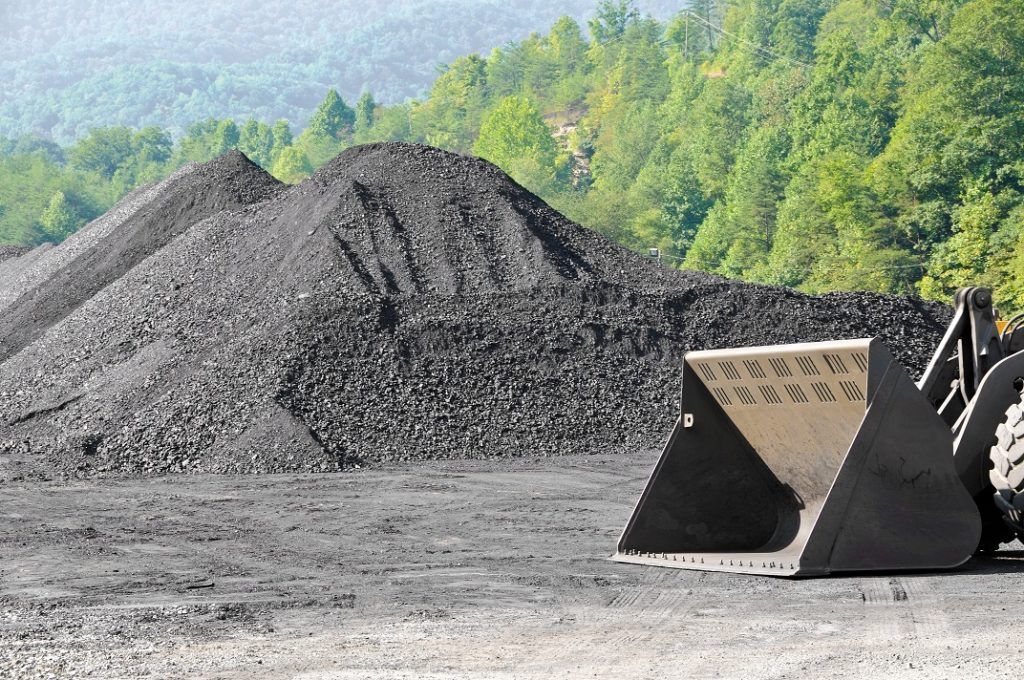
These resources are often extracted from the Earth's crust, deep beneath our feet, which means they were formed under specific geological conditions that aren't exactly happening every Tuesday afternoon. That's why we call them "finite." There’s only so much of it down there.
The Usual Suspects: Examples You Already Know
When we talk non-renewable, a few big players immediately come to mind. And you probably use them every single day!
The first, and perhaps most impactful, group are the fossil fuels. This is where your car's gas (petrol for my mates across the pond!) comes in. We’re talking about:
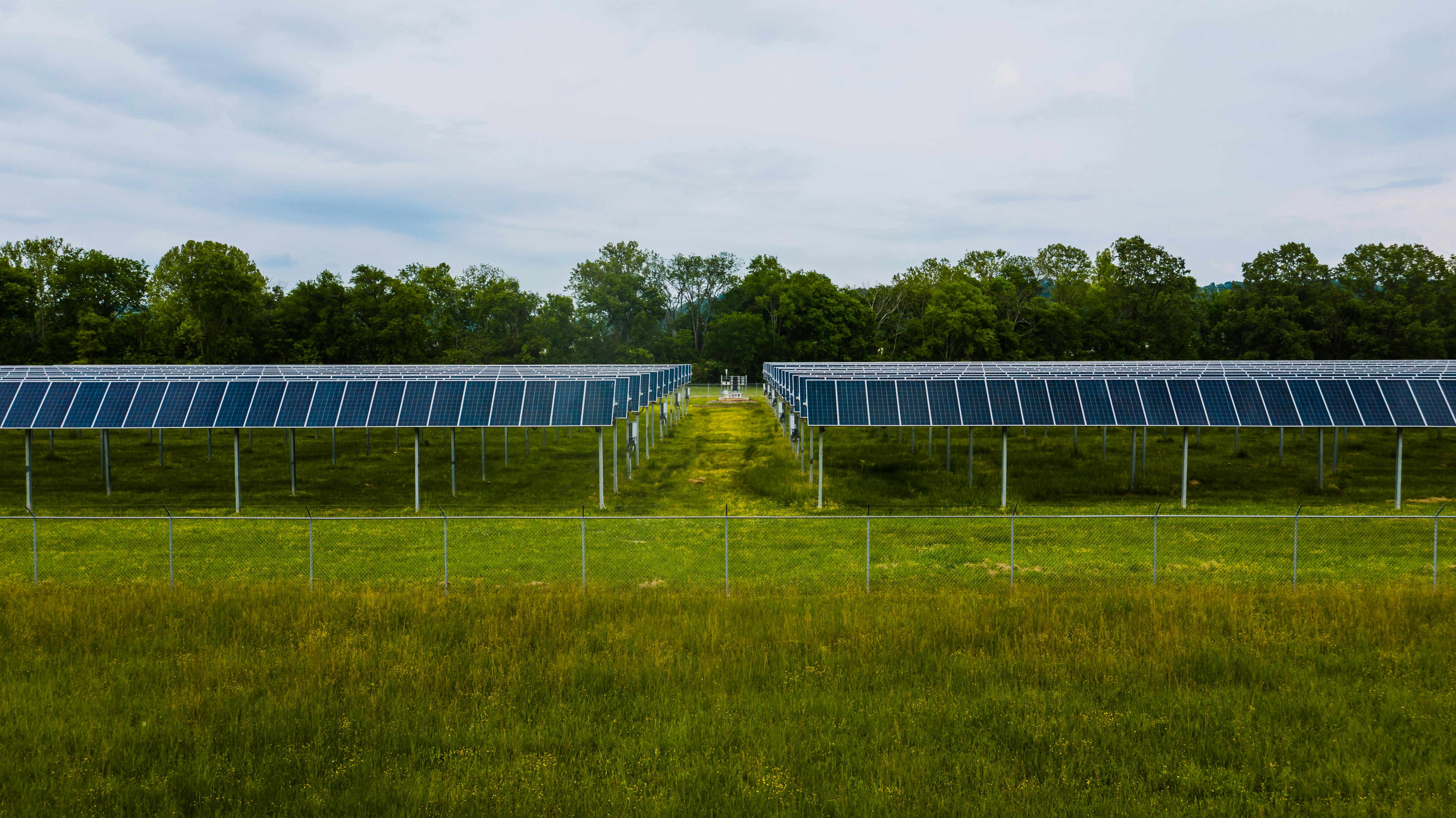
- Oil: The black gold that powers everything from cars to plastics.
- Natural Gas: Heats our homes, cooks our food, generates electricity.
- Coal: Used for centuries to power industries and generate electricity, though thankfully its use is declining in many places due to its hefty environmental impact.
These bad boys were formed from the ancient remains of plants and animals that got buried under layers of sediment, cooked under immense pressure and heat over millions of years. Pretty wild, right?
Then there are nuclear fuels, like uranium. While it’s a different beast than fossil fuels, it’s also dug out of the ground in finite quantities. Once the uranium is 'spent' in a reactor, that particular bit can't be reused (at least not easily or without complex processing), and its formation is certainly not happening on a human timescale.
And let's not forget some of our most precious minerals and metals. Gold, silver, copper, iron, aluminum – you name it. We love these for our jewelry, electronics, buildings, you name it. But guess what? They’re also finite. There's only so much gold in the ground, my friend. Once we've mined it all, that's it.
Why Should You Even Care?
Okay, so they're finite. Big deal, right? We've got plenty! Well, not exactly. This is where the "why it matters" really kicks in. Because our entire modern way of life, from the device you're reading this on to the food in your fridge, is deeply intertwined with these resources.
First off, the obvious: scarcity. When something is finite and highly demanded, it becomes valuable. And sometimes, countries get a little... territorial... over who has access to it. Hello, geopolitics!
Secondly, the environmental impact. The extraction of these resources can be incredibly destructive to ecosystems. Think about open-pit mines or deep-sea drilling. And then, when we burn fossil fuels for energy, we release greenhouse gases into the atmosphere, contributing to climate change. (Yeah, that's the big one, you probably saw that coming).
So, understanding what a non-renewable resource is isn't just some dusty academic concept. It's about understanding the very foundations of our energy grid, our economy, and frankly, the future of our planet.
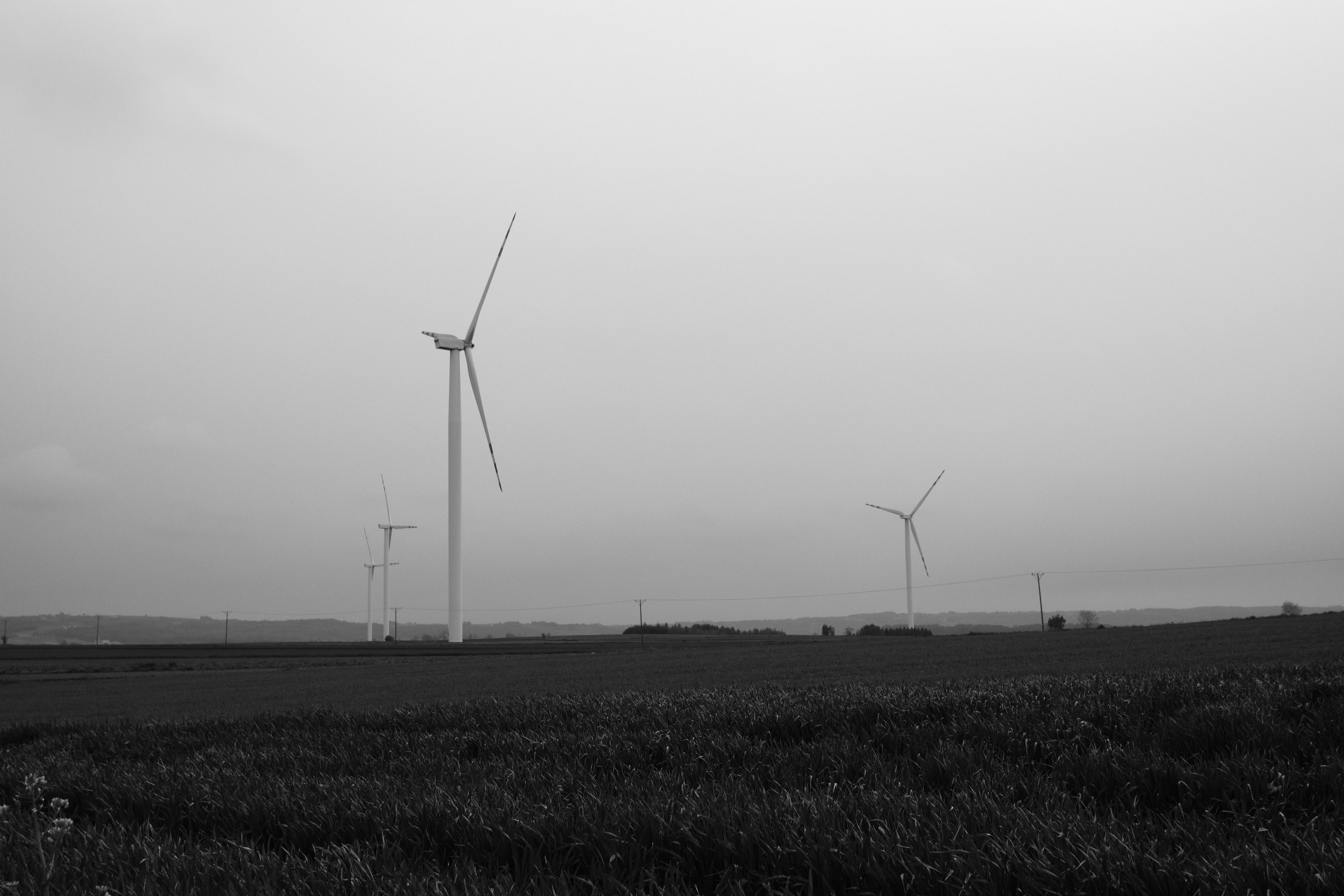
It's why you hear so much buzz about renewable energy (solar, wind, etc.) and recycling. Because while we can't make more oil from scratch, we can find ways to power our lives without constantly depleting the Earth's ancient pantry. Food for thought, huh? Maybe next time your gas light comes on, you’ll give a little nod to the millions of years it took to create that very finite fuel.