
What Is A Non Ferrous Alloy

Alright, friend, let's talk about something that sounds super technical but is actually everywhere and totally fascinating: non-ferrous alloys. Don't let the big words scare you! Think of it as peeking behind the curtain of everyday objects.
You know metals, right? They're tough. They're shiny. They make our world go round. But here's a secret: not all metals are created equal. And the biggest dividing line is a bit like a medieval feud: Iron vs. Everyone Else.
So, What's the Big Deal with "Ferrous"?
Okay, "ferrous" just means it contains iron. Think steel. Think cast iron. These guys are the backbone of buildings, cars, and, well, pretty much anything super heavy-duty. Iron is strong. It's also super common. But it has a downside: rust! Hello, reddish-brown flaky stuff!
Must Read
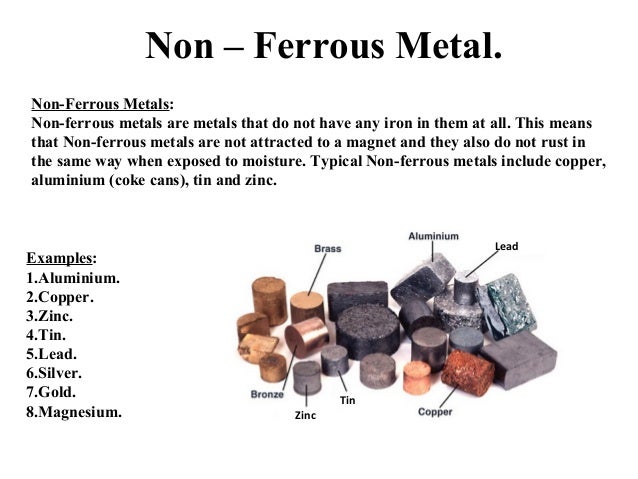
Now, imagine a whole universe of metals that say, "Nope! No iron for us, thanks!" These are our non-ferrous metals. They're the cool kids who marched to the beat of their own drum. They don't rust easily. They often weigh less. They can be super conductors. They come in all sorts of dazzling colors!
And What's an "Alloy"? The Metal Mixer!
Great question! A pure metal is just... one type of metal. Like pure gold. Or pure copper. But pure metals can be a bit whiny. Too soft! Not strong enough! Melts too easily!
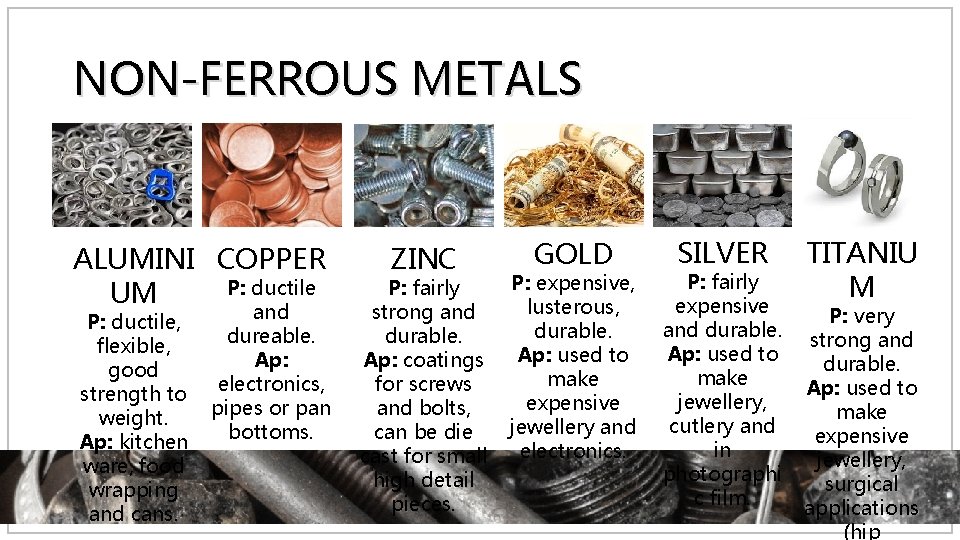
So, clever humans thought, "Hey, what if we mix them?" And that, my friend, is an alloy. It's like baking. You mix flour, sugar, eggs, and get a cake. Each ingredient contributes something. With alloys, you mix two or more metals (or even a metal and a non-metal, shhh!) to create something new with better properties. Stronger! Lighter! More corrosion-resistant! More conductive!
It's basically metal alchemy, but with science! And a lot less magic (sadly).
Putting It Together: Non-Ferrous Alloys!
So, a non-ferrous alloy is simple: it's a mix of metals where iron is either totally absent or just a tiny, insignificant sprinkle. It's all about those awesome iron-free properties!
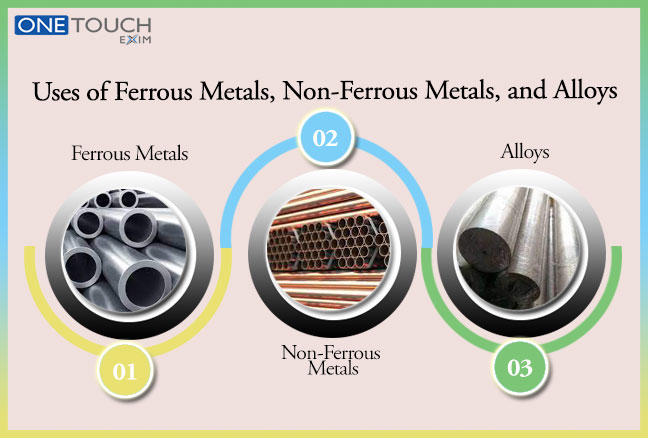
These alloys are the superheroes of the material world. They often boast fantastic resistance to corrosion. Think submarines! No rust allowed. They're frequently much lighter than steel, which is great for flying things. They can be brilliant conductors of electricity. Or super durable even at crazy temperatures. Each alloy has its own special superpower.
Meet the Non-Ferrous Alloy Superstars!
Let's dive into some celebrity non-ferrous alloys. You use them every day, probably without even knowing it!
Bronze: The OG Alloy
This is probably the world's first true alloy, dating back thousands of years! A mix of mostly copper with tin. Bronze gave us the Bronze Age! Swords! Armor! Epic statues! It's harder than pure copper, so ancient civilizations could make way better tools and weapons. Pretty neat, right? It still makes gorgeous bells and sculptures today.
Brass: The Musical Metal
Another copper superstar! This time, copper teams up primarily with zinc. Brass is shiny, golden-looking, and surprisingly easy to work with. That's why you see it in musical instruments – trumpets, trombones, saxophones! It also makes lovely doorknobs, plumbing fixtures, and fancy decorations. It's like gold's more affordable, equally charming cousin.
Aluminum Alloys: The Featherweights of Flight
Pure aluminum is light. Really light! But it can be a bit soft. So, we add other elements like copper, magnesium, zinc, or silicon. Voila! You get aluminum alloys. These are the unsung heroes of the sky! Airplanes, rockets, even your soda cans and bike frames. They offer incredible strength-to-weight ratios. Imagine trying to fly a plane made of steel! Yeah, no thanks.
Titanium Alloys: The Super-Strong, Super-Sleek Future
Titanium is famously strong and light, like aluminum but even more so, and it resists corrosion like a champ. When you mix it with other elements like aluminum or vanadium, you get titanium alloys. These are the fancy pants of non-ferrous alloys. Think jet engines, spacecraft, high-performance sports equipment, and even medical implants! Your body won't reject titanium easily. How cool is that?

Nickel Alloys: The Heat Whisperers
Nickel-based alloys often include chromium, iron (a little bit is okay, as long as nickel is dominant!), or molybdenum. These guys are champions at handling extreme heat and corrosive environments. Jet engine turbine blades? Chemical processing plants? Nuclear reactors? Yeah, they call on nickel alloys. They just don't melt down or corrode when things get super intense. They're the chillest metals in the hottest spots.
Why Should YOU Care?
Because non-ferrous alloys are literally shaping our modern world! From the device you're reading this on (hello, aluminum and copper alloys!) to the car you drive, the plane you fly in, or even the jewelry you wear. They allow us to build lighter, faster, stronger, and more durable things.
They're a testament to human ingenuity – taking nature's raw materials and tweaking them to create exactly what we need. It's like having a metals toolbox with endless possibilities. Next time you see a shiny airplane or a gorgeous bronze statue, give a little nod. You're looking at the unsung heroes of metallurgy: the amazing, versatile, and wonderfully iron-free non-ferrous alloys!